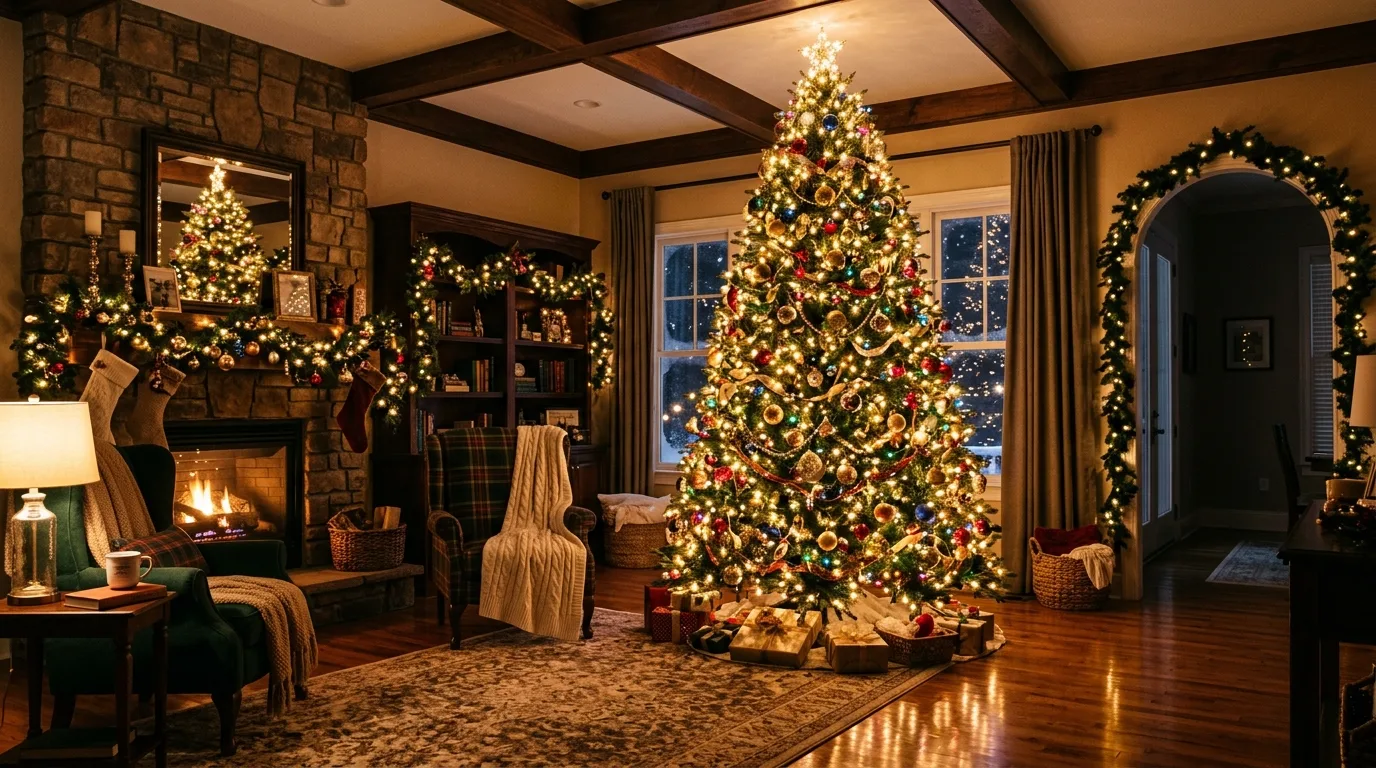
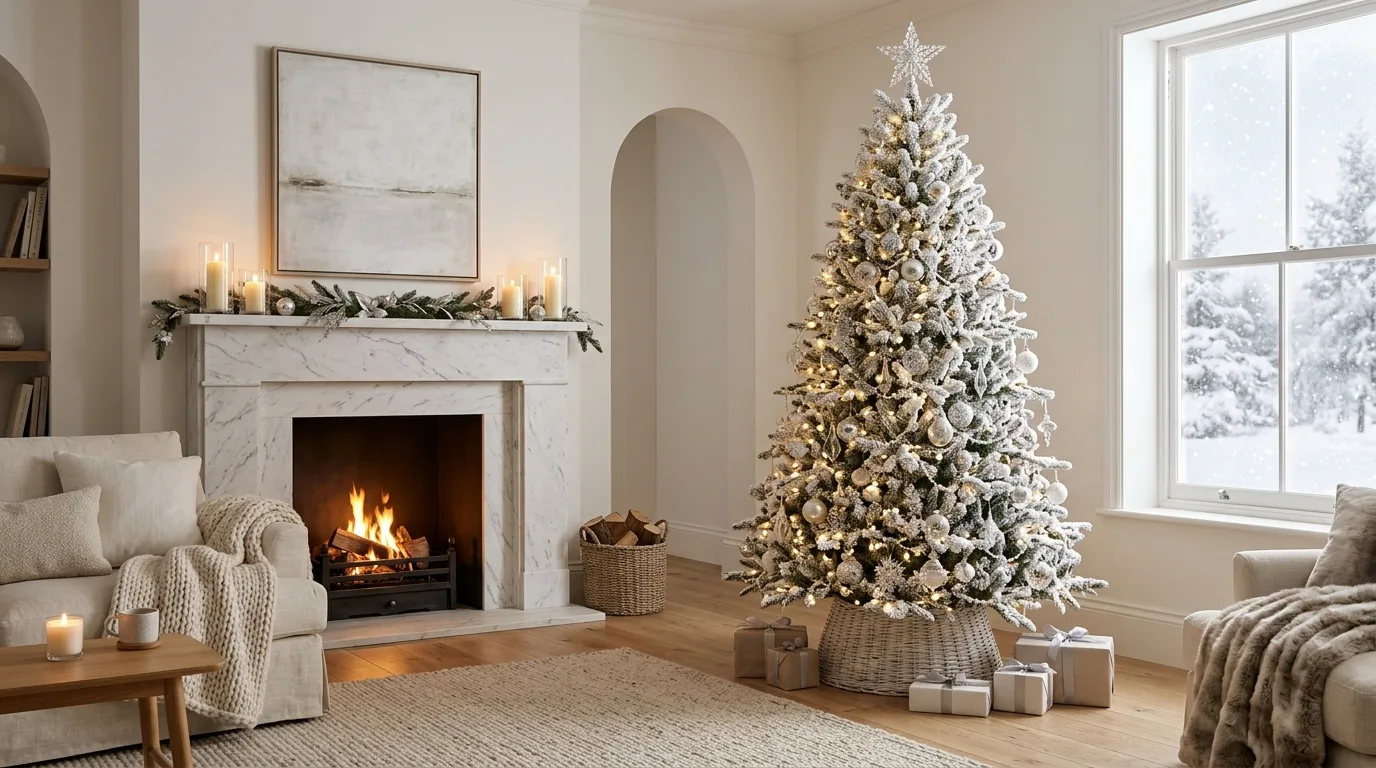
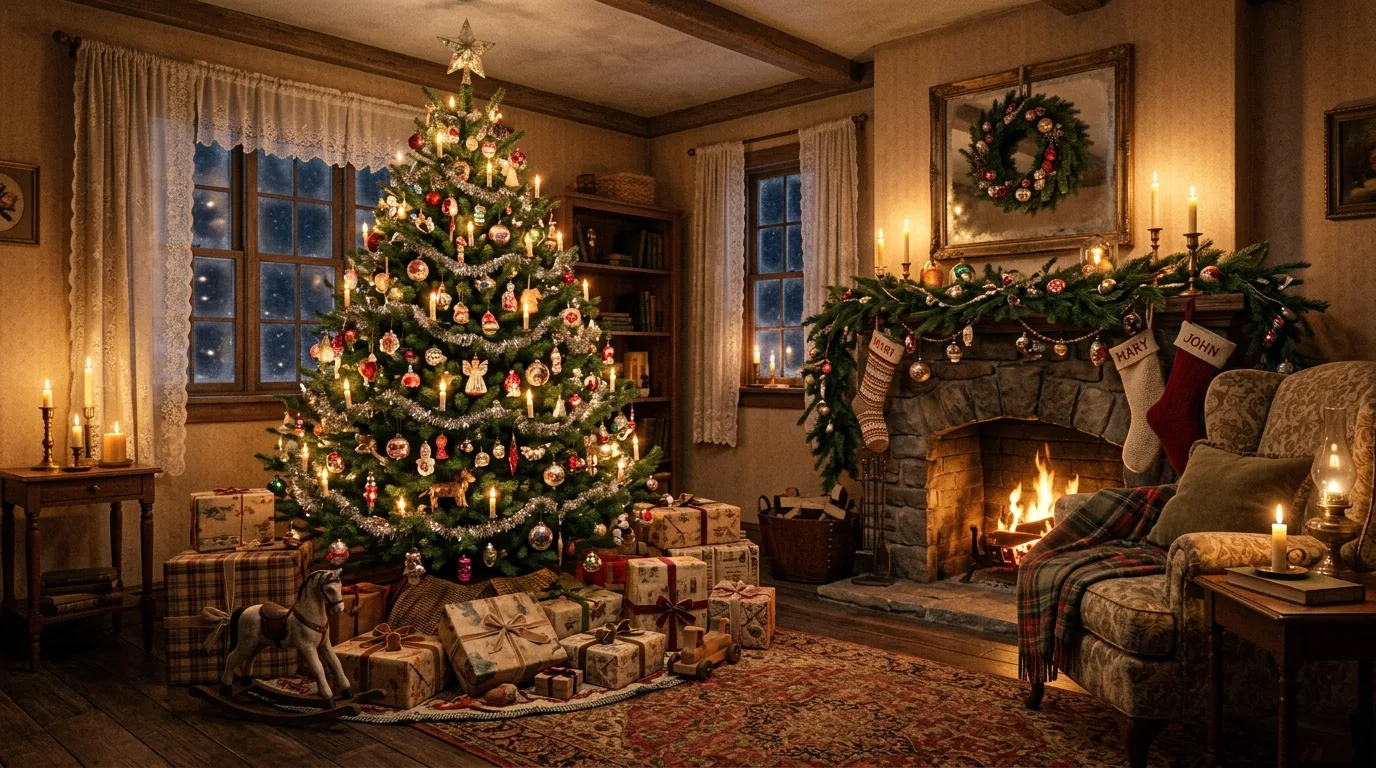
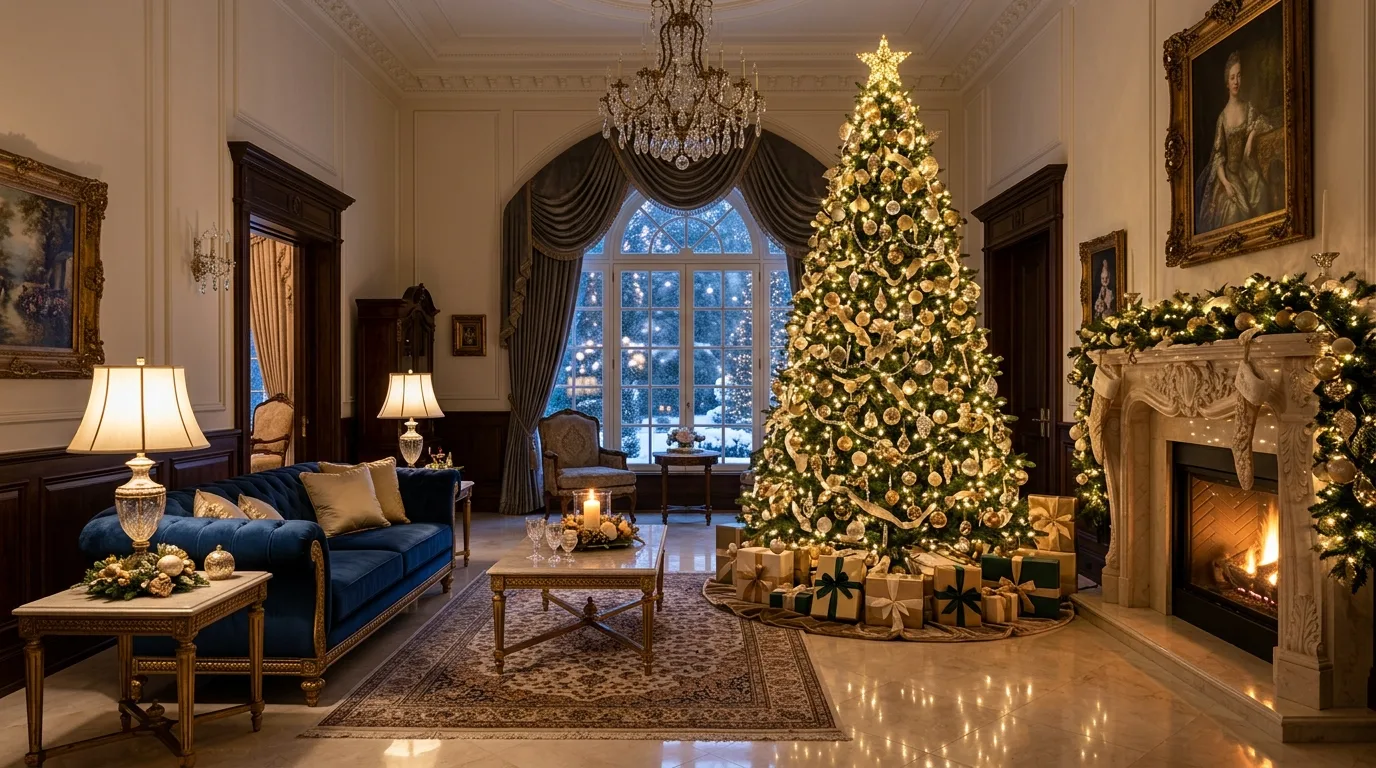
A Christmas tree often becomes the emotional and visual center of the entire holiday home. When the styling is handled with intention, it does more than hold ornaments. It shapes the mood of the room, reflects the style of the house, and gives the season a stronger sense of occasion.
The most magical trees usually succeed because every layer feels connected. Lights, ribbon, ornaments, topper, tree skirt, and surrounding decor all support the same idea, which helps the final result feel rich and festive without becoming visually confused.
Choose a tree size that fits the room beautifully
The right tree size changes everything because it decides how the room will feel before a single ornament is hung. A tree that suits the ceiling height, furniture layout, and scale of the room always feels more elegant and magical than one that is either too cramped or too overpowering for the space around it.
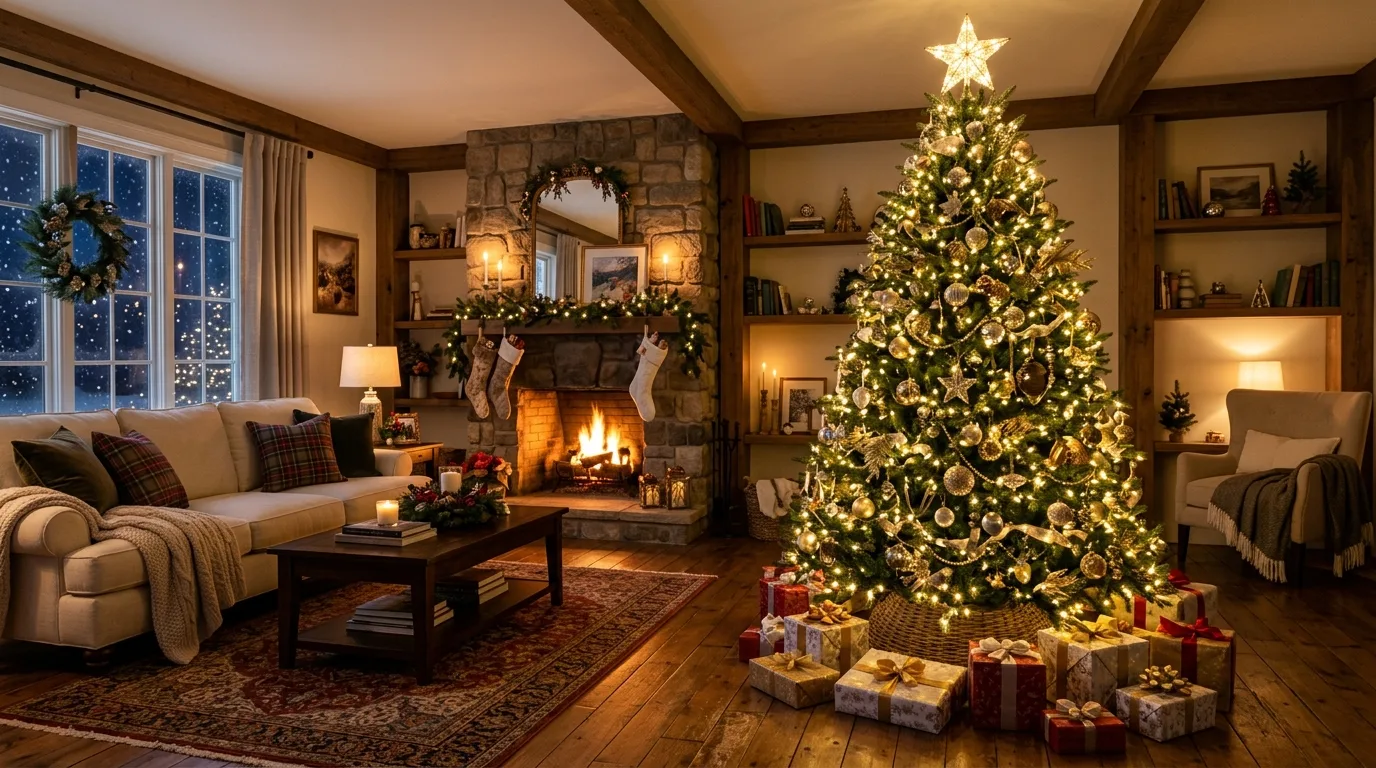
Wrap the lights to create real depth and glow
Lights are what give a Christmas tree its glow and depth, which is why they deserve more care than any other single layer. When they are distributed evenly and wrapped far enough into the branches, the tree looks brighter, fuller, and much more enchanting after sunset.
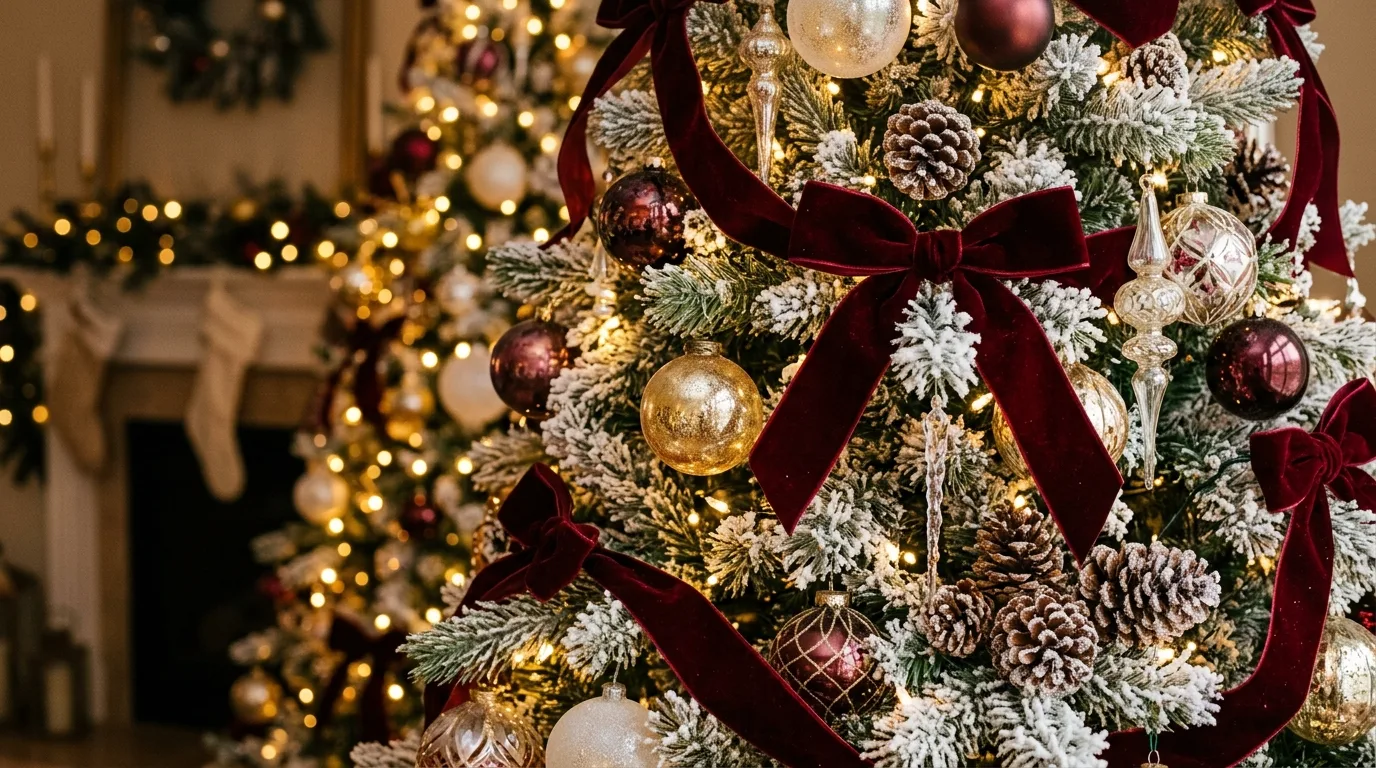
Start with a clear holiday color palette
A defined color palette helps a Christmas tree feel elevated because it keeps every ornament from competing for attention. Whether the mood is snowy white, classic red and green, gold and champagne, or soft pastels, the strongest trees always feel like they are telling one clear seasonal story.
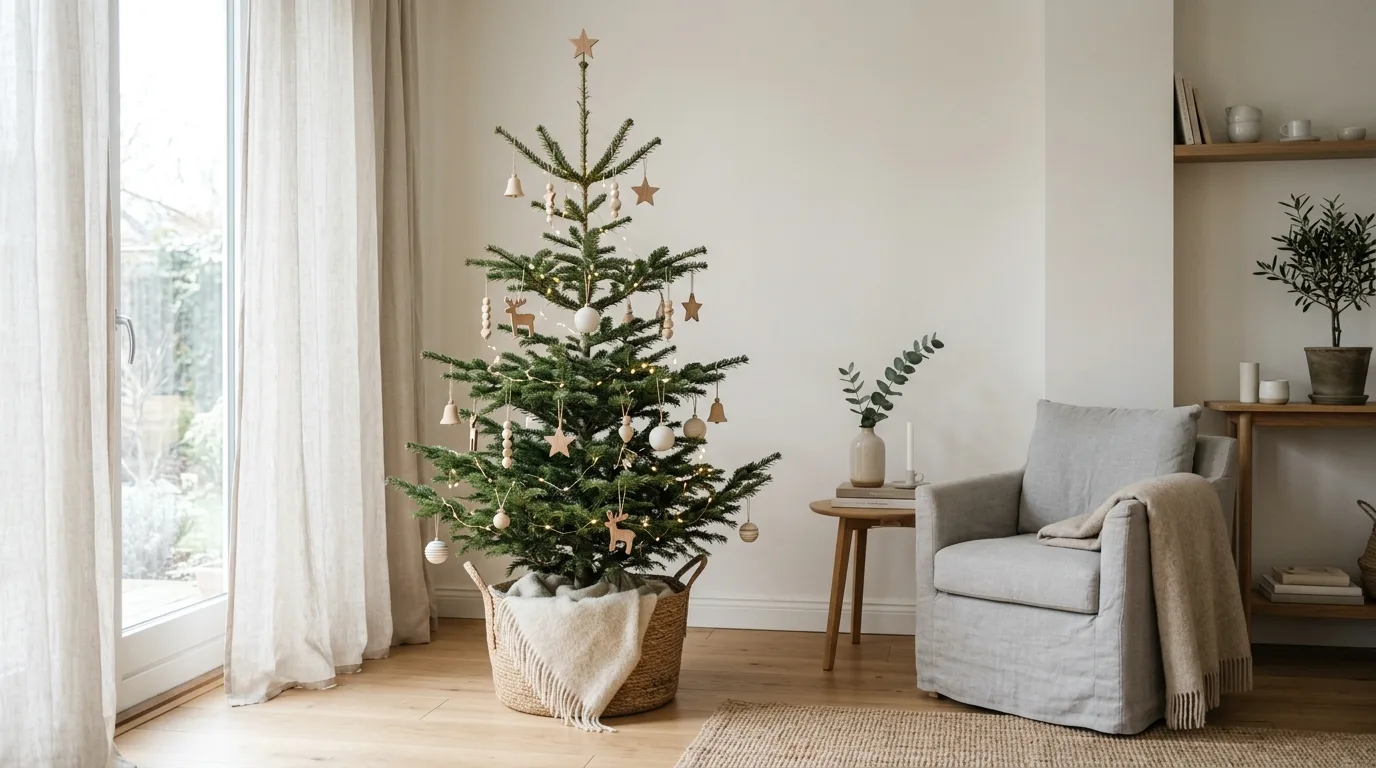
Use ribbon to add softness and movement
Ribbon adds movement to a Christmas tree in a way ornaments alone rarely can. It softens the structure, fills awkward gaps, and creates a sense of flow through the branches, which makes the tree feel more layered and thoughtfully styled from a distance.
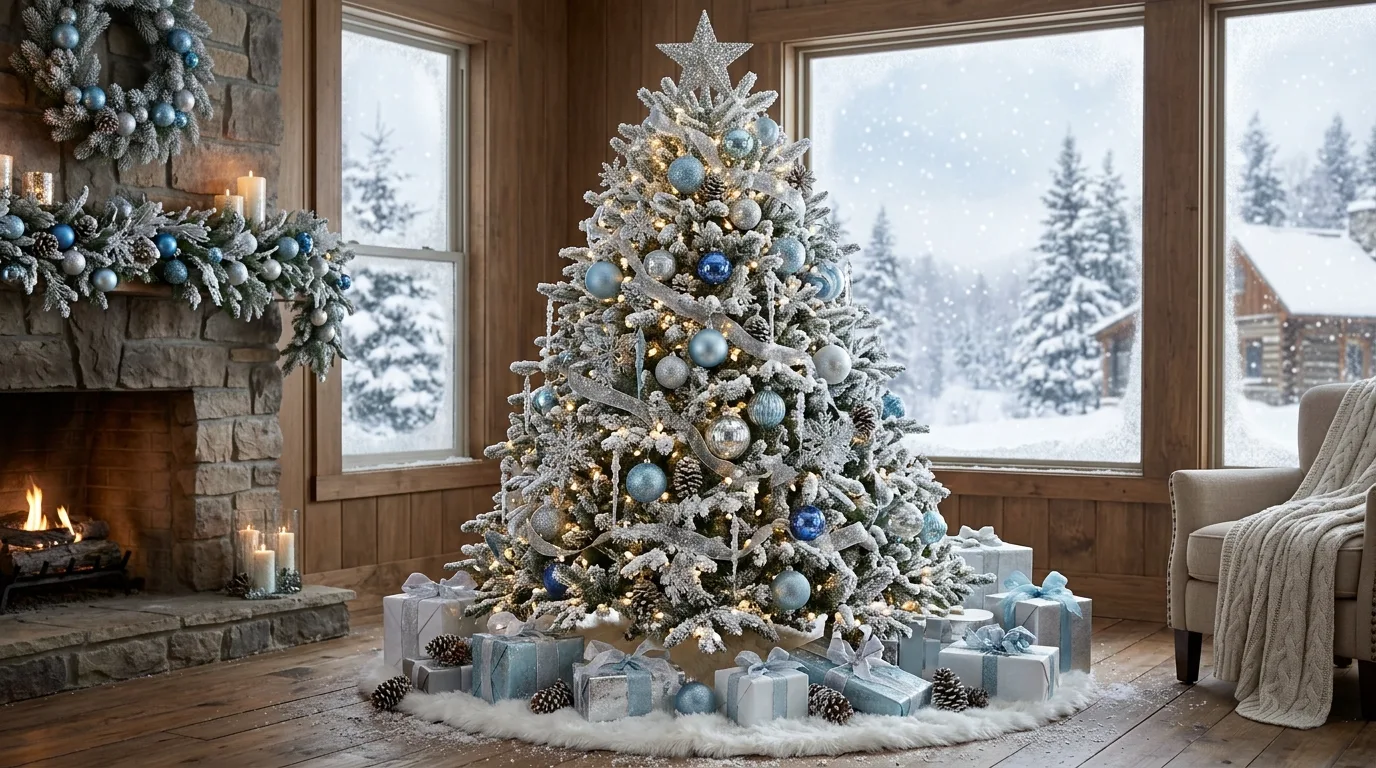
Mix larger ornaments for more visual drama
Large ornaments are often what make a tree feel dramatic because they establish scale and help the design read clearly across the room. When they are mixed with smaller pieces instead of replacing them, the overall look feels fuller and more intentional without losing detail.
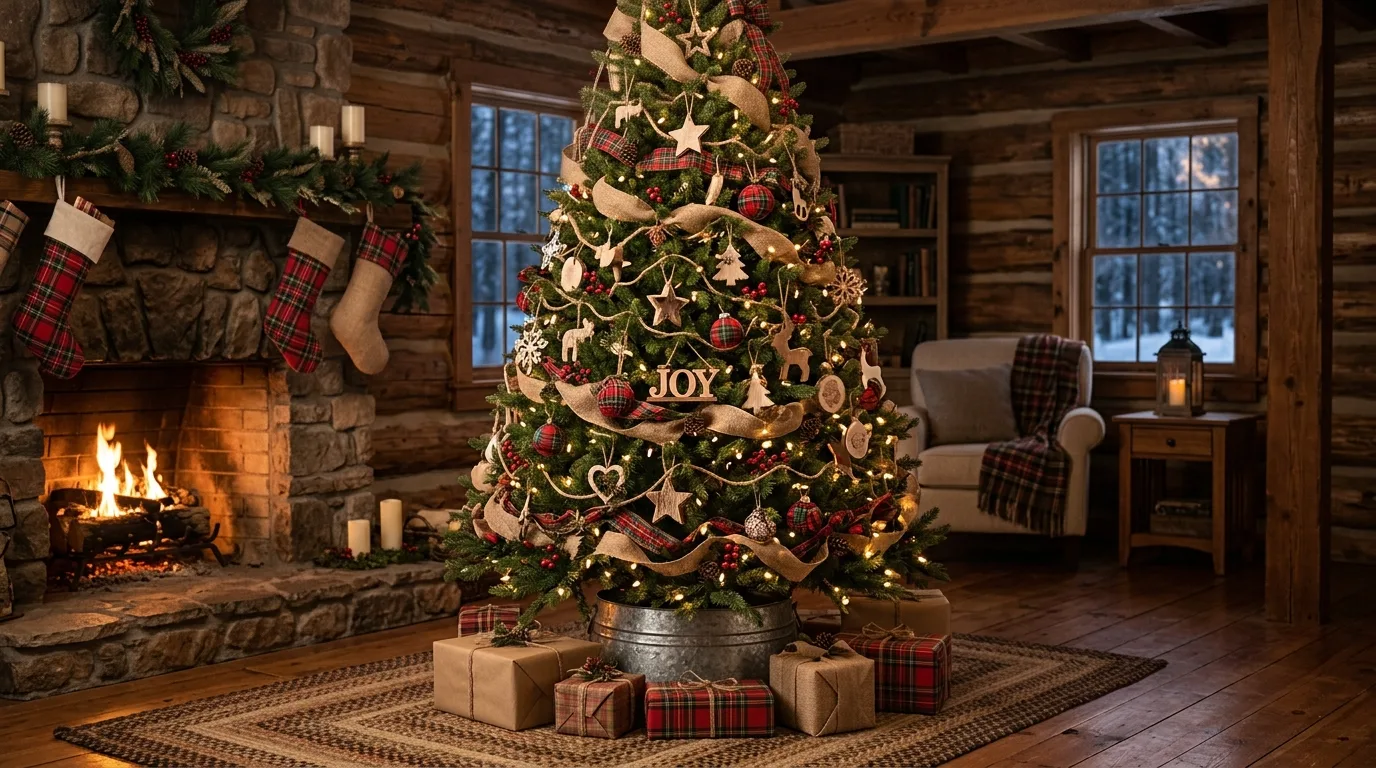
Layer in texture instead of relying on shine alone
Texture matters on a Christmas tree because too much shine can flatten the whole design into one reflective surface. Mixing matte baubles, glass ornaments, fabric ribbon, natural accents, and metallic details makes the tree feel richer and more visually alive.

Pick a topper that finishes the whole story
A topper works best when it feels connected to the rest of the tree instead of acting like a completely separate decoration. Whether it is a bow, star, angel, or sculptural branch arrangement, it should finish the shape of the tree and reinforce the same mood already happening below.
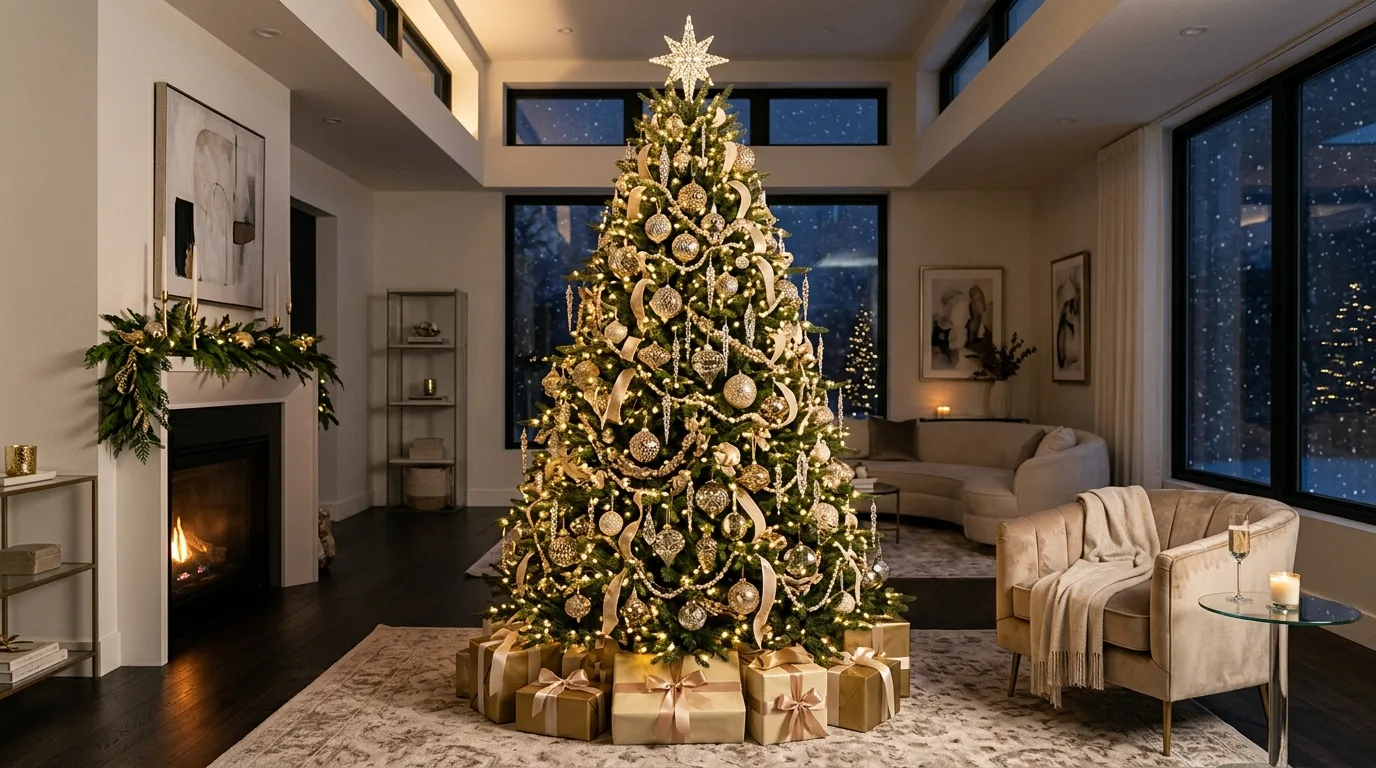
Space ornaments so the tree feels balanced
Spacing ornaments well is what keeps a tree from feeling either sparse or overloaded. The eye should be able to travel across the branches and notice moments of sparkle, color, and texture without getting stuck on dense clusters or empty sections that break the illusion.
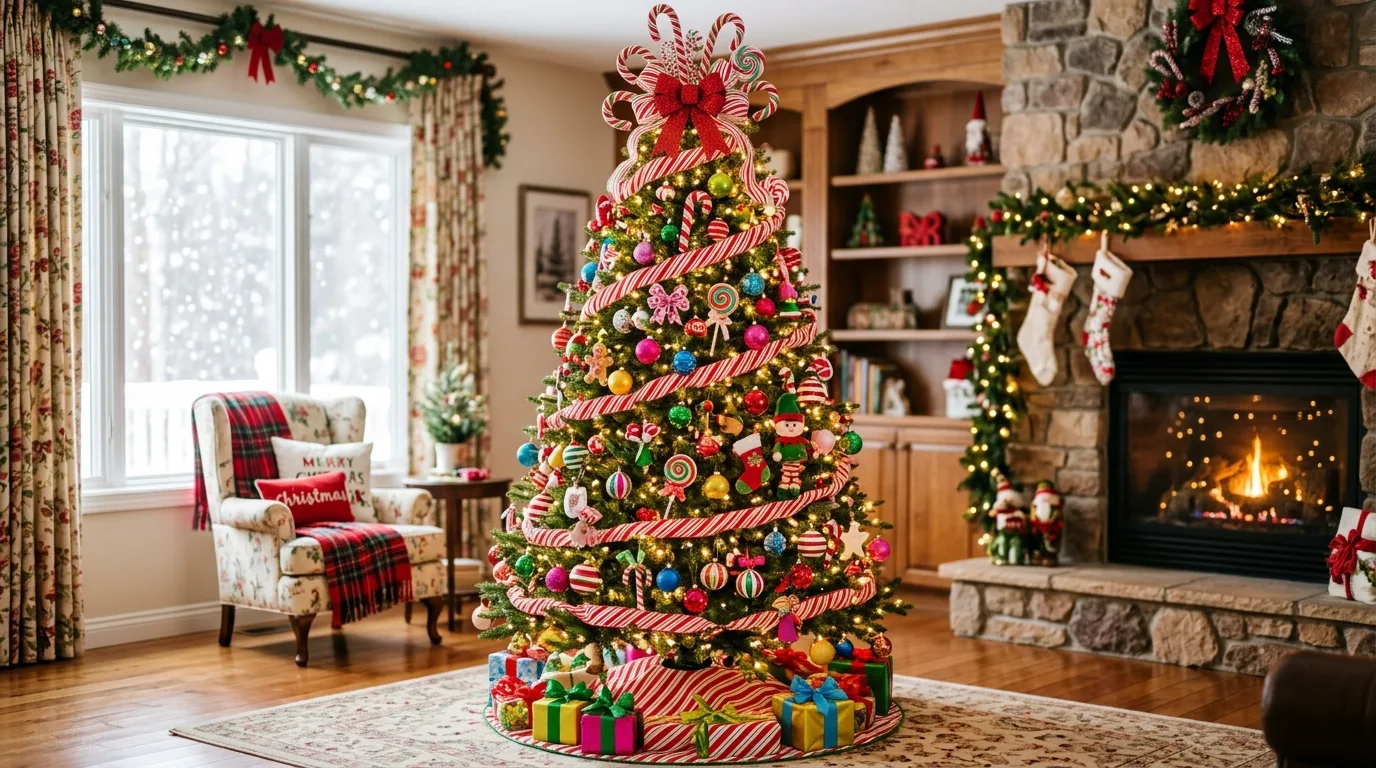
Add natural accents for warmth and charm
Natural elements can make a Christmas tree feel especially magical because they bring softness and variation into a design that might otherwise rely only on manufactured shine. Pinecones, dried citrus, wood accents, berries, or frosted stems often help the whole tree feel warmer and more memorable.
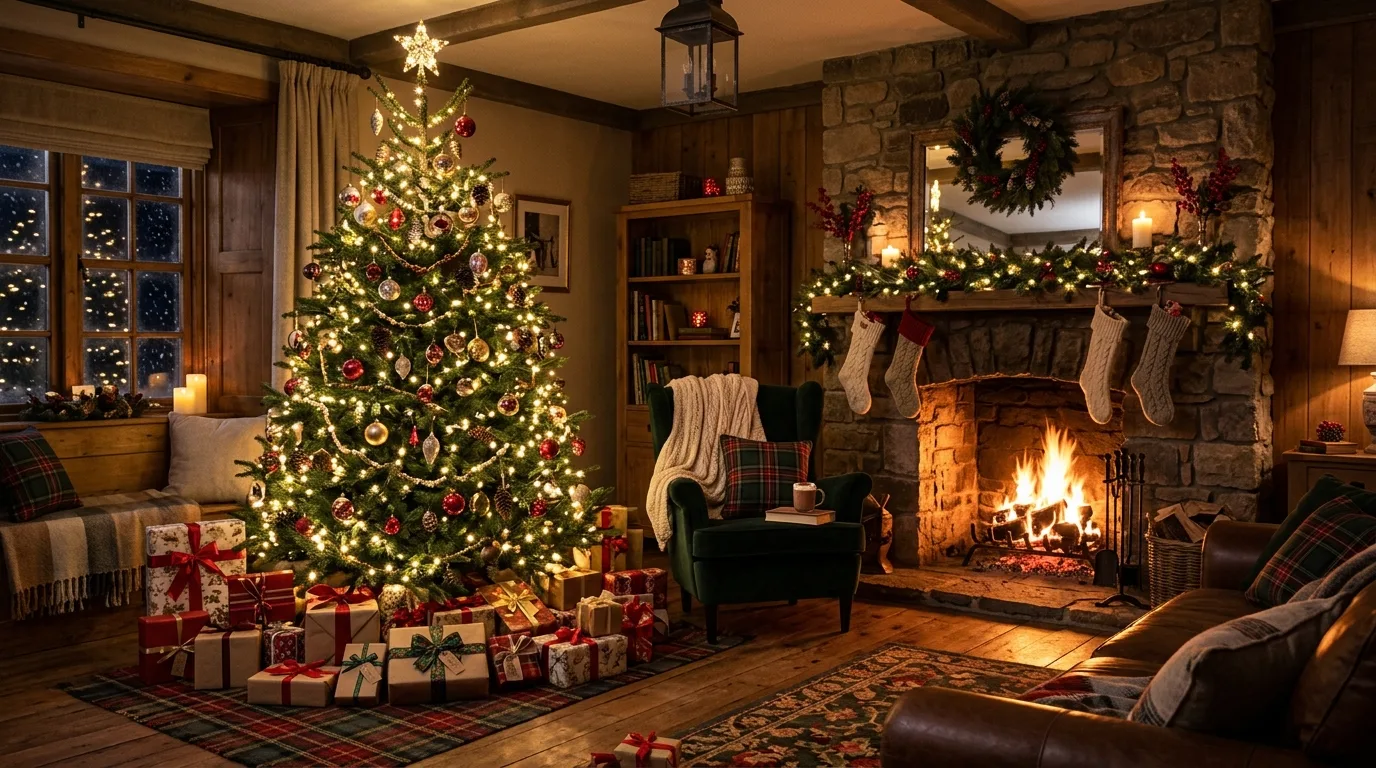
Style the base so the tree feels complete
The base of the tree matters almost as much as the top because it finishes the presentation and connects the centerpiece to the room. A good tree collar, skirt, basket, or coordinated gift wrap helps the entire display feel resolved rather than cut off at floor level.

Build fullness from the inside out
A tree feels more luxurious when depth is built from the inside out instead of only on the outermost branch tips. Inner lights, tucked ribbon, secondary ornaments, and fuller layering create a richer silhouette that makes the tree feel complete from every angle.
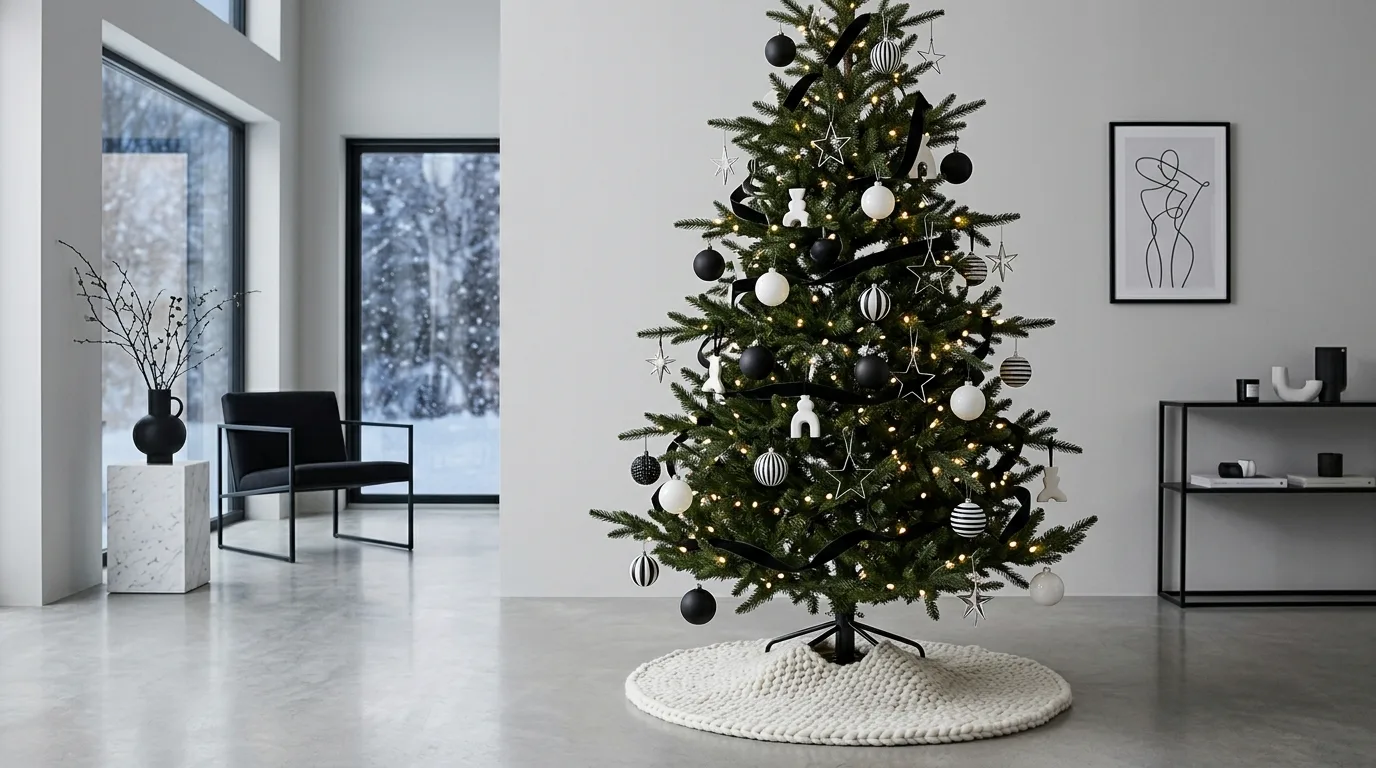
Let the room around the tree support the look
Room styling around the tree can either strengthen or weaken its impact. When nearby mantels, side tables, textiles, and lighting echo the same palette and mood, the tree feels truly central instead of looking like one decorated object floating in an unrelated room.
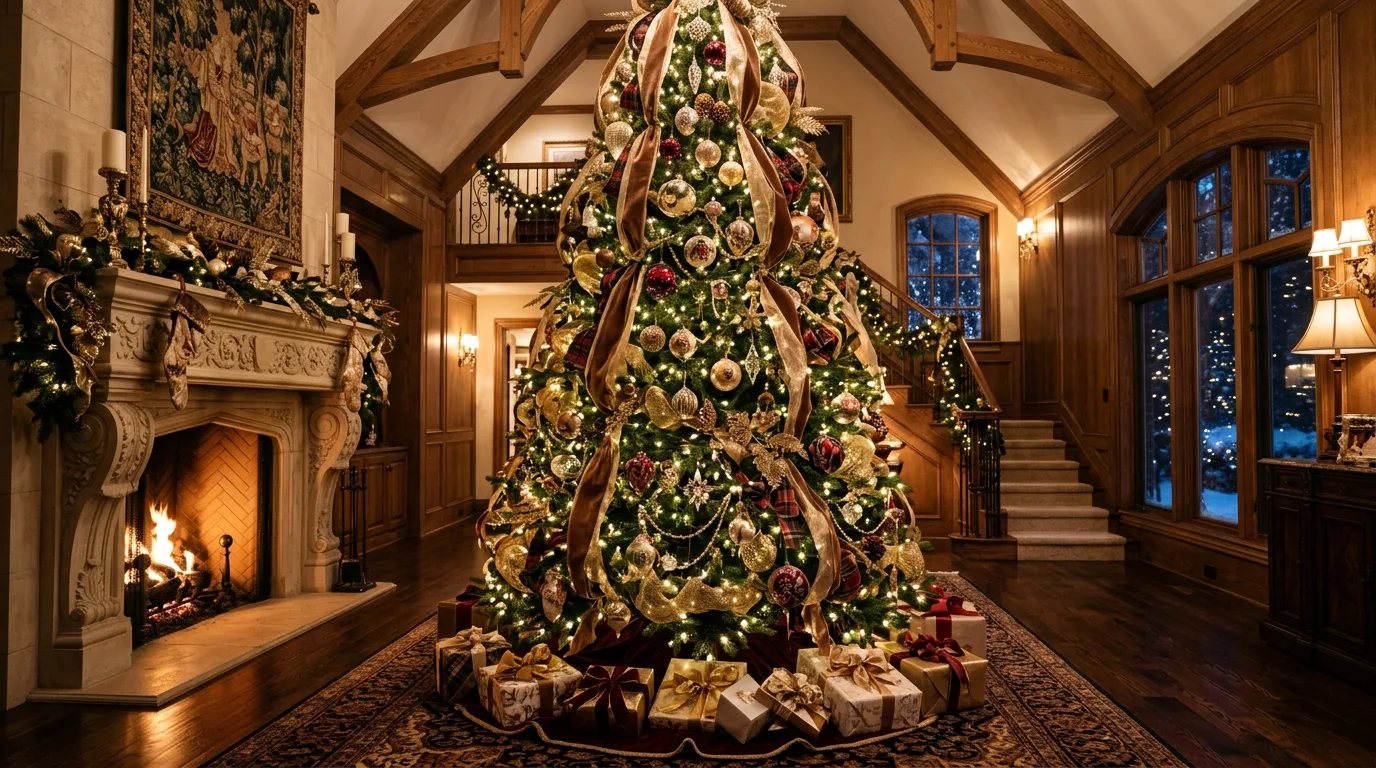
Adapt the styling for smaller trees
Small trees can feel just as magical as grand ones when the styling is edited to suit their scale. Fewer ornaments, finer ribbon, and a tighter palette often create far more charm than trying to force a large-tree decorating formula onto a smaller silhouette.
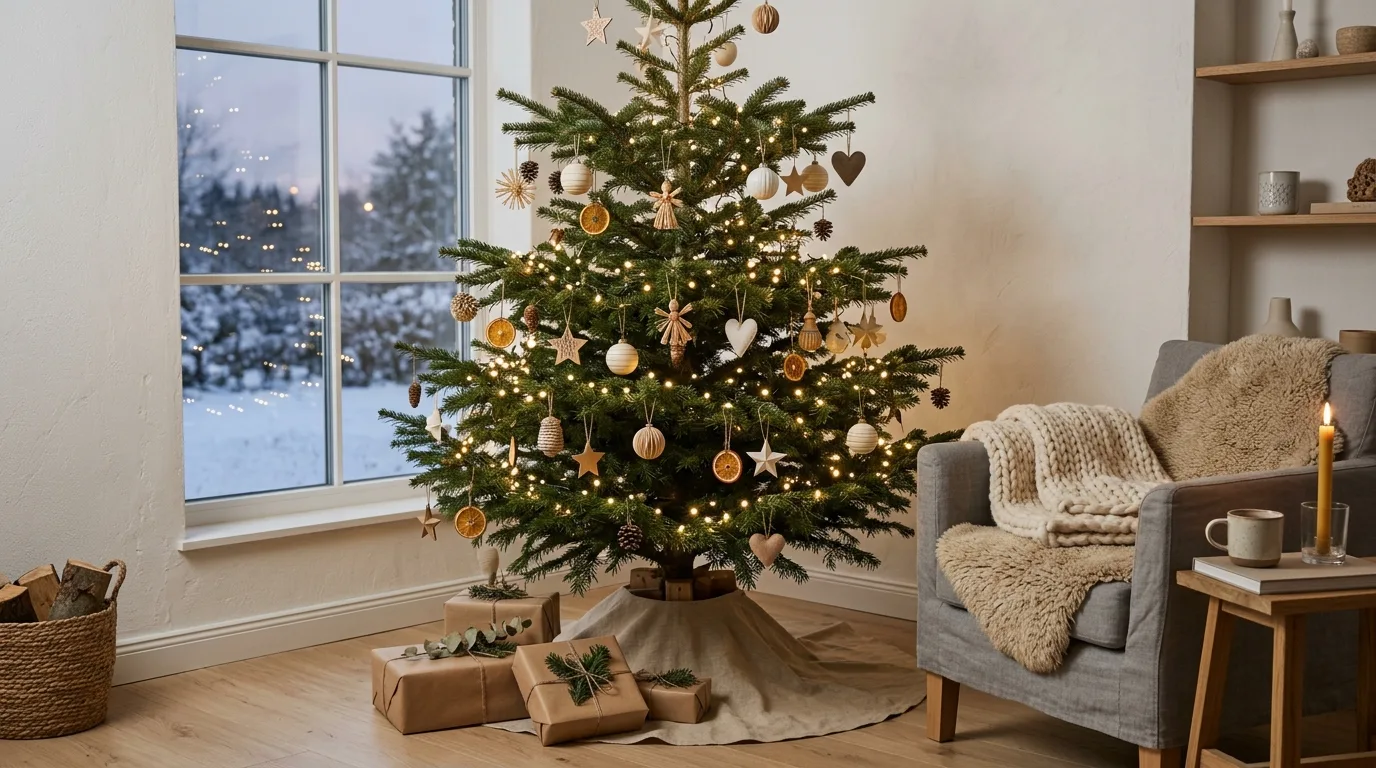
Use themes with more restraint and cohesion
Theme-driven trees are strongest when the theme shapes the material choices quietly rather than becoming overly literal. A winter woodland, vintage holiday, glamorous metallic, or cozy farmhouse direction can all feel beautiful as long as the tree still reads as refined and cohesive first.
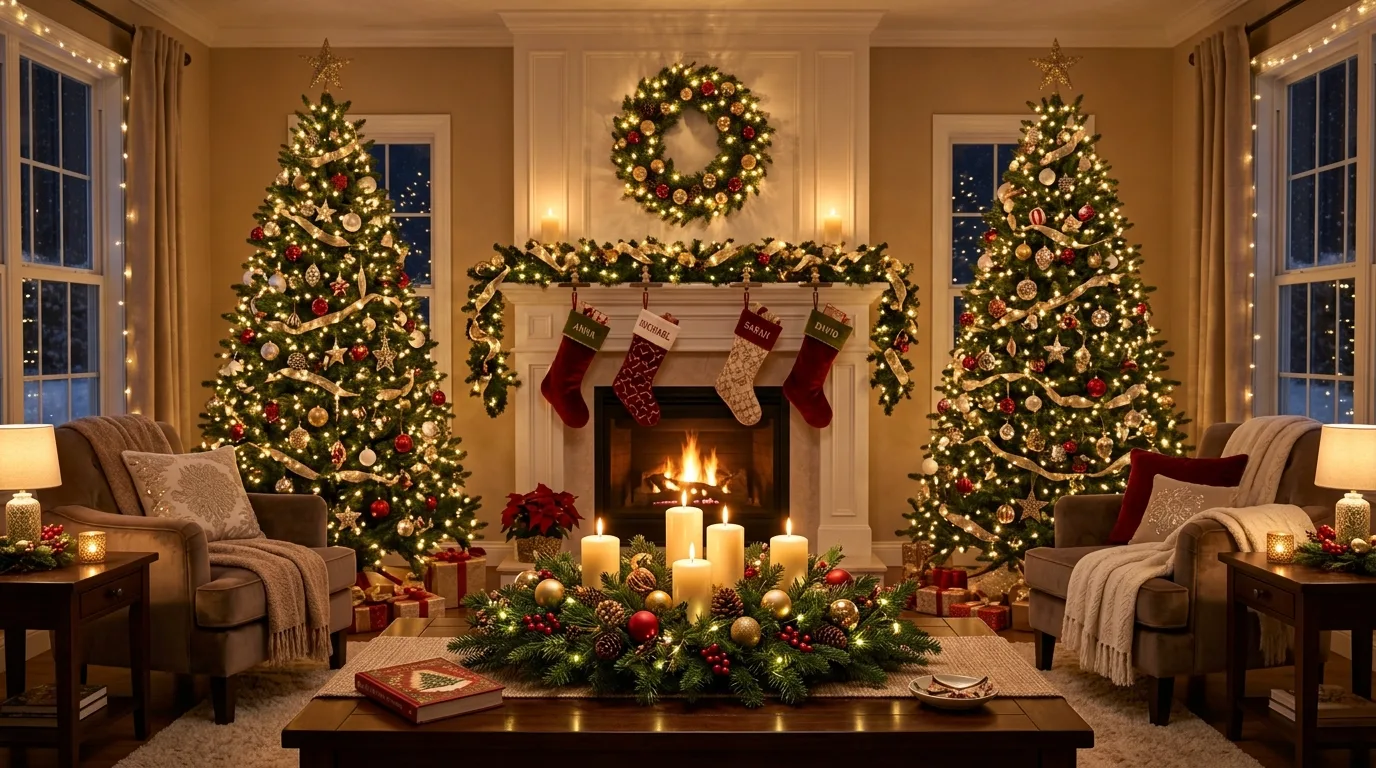
Finish with a tree that feels truly magical
The most stunning Christmas trees are the ones where scale, light, palette, texture, and finishing details all work together naturally. Once every layer supports the same holiday feeling, the tree becomes the kind of centerpiece that anchors the room and makes the whole season feel a little more magical.