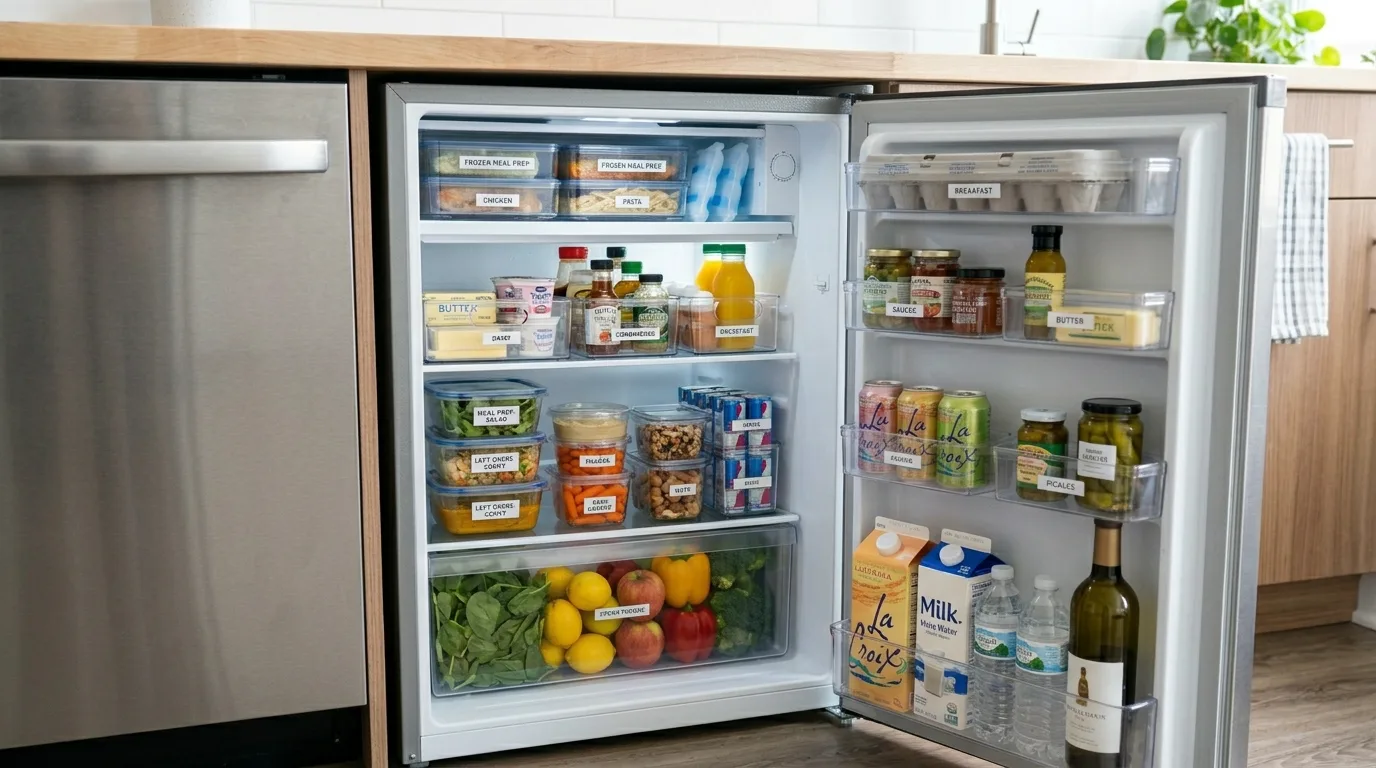
Fridge organization is one of the fastest ways to make a kitchen feel cleaner and more functional. When everything is easier to see and reach, meal prep gets simpler and food is less likely to be forgotten or wasted.
A better system does not need to be overly complicated. The biggest improvements usually come from zoning, clear containers, and a better understanding of what belongs where inside the fridge.
Start by grouping food by category and use
Grouping food by category and use makes a fridge easier to read at a glance, which is what turns a cold box into an actual system. Once similar items are stored together, shopping, cooking, and quick clean-outs all become more manageable.
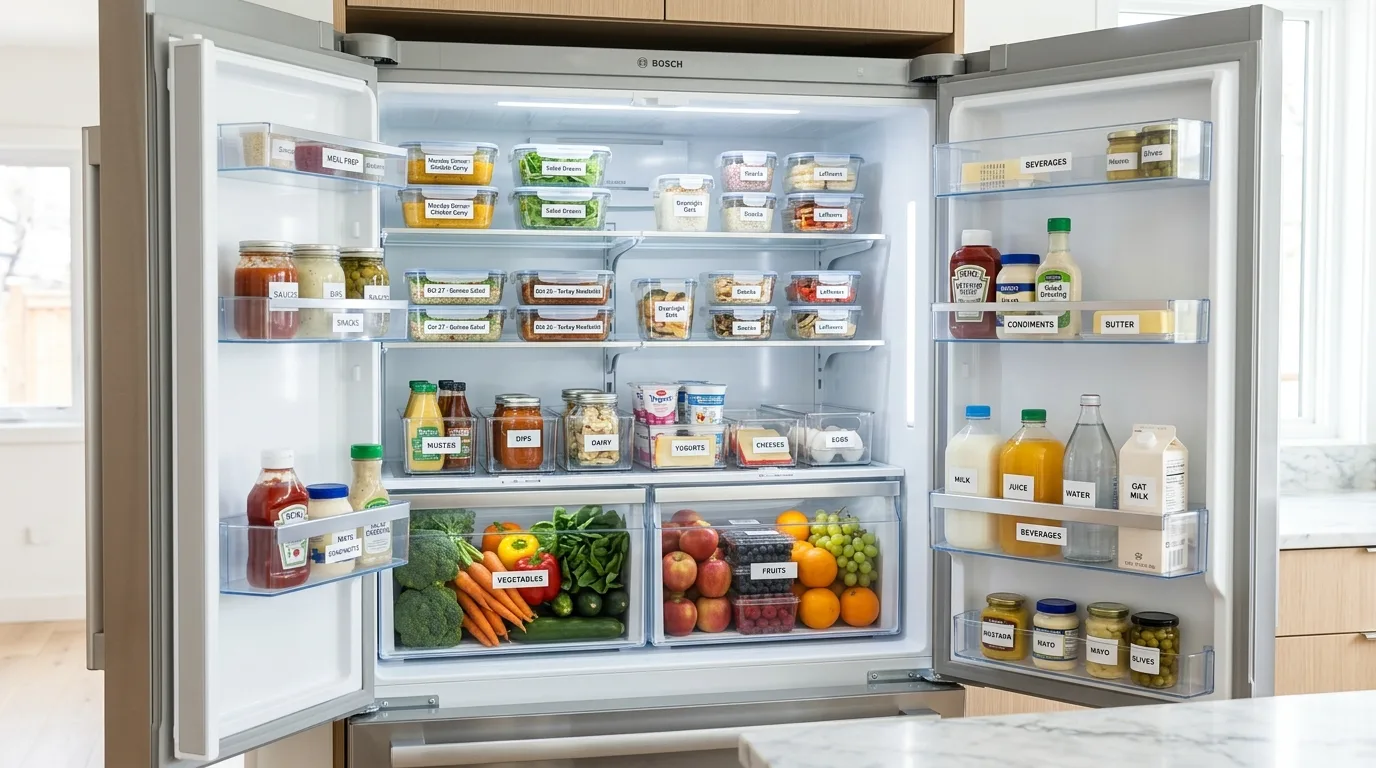
Use bins to keep small items from scattering
Bins help the fridge stay tidy because they keep smaller items from wandering into every available gap. They also make categories easier to lift out, inspect, and return, which helps the system stay functional instead of collapsing back into visual noise.
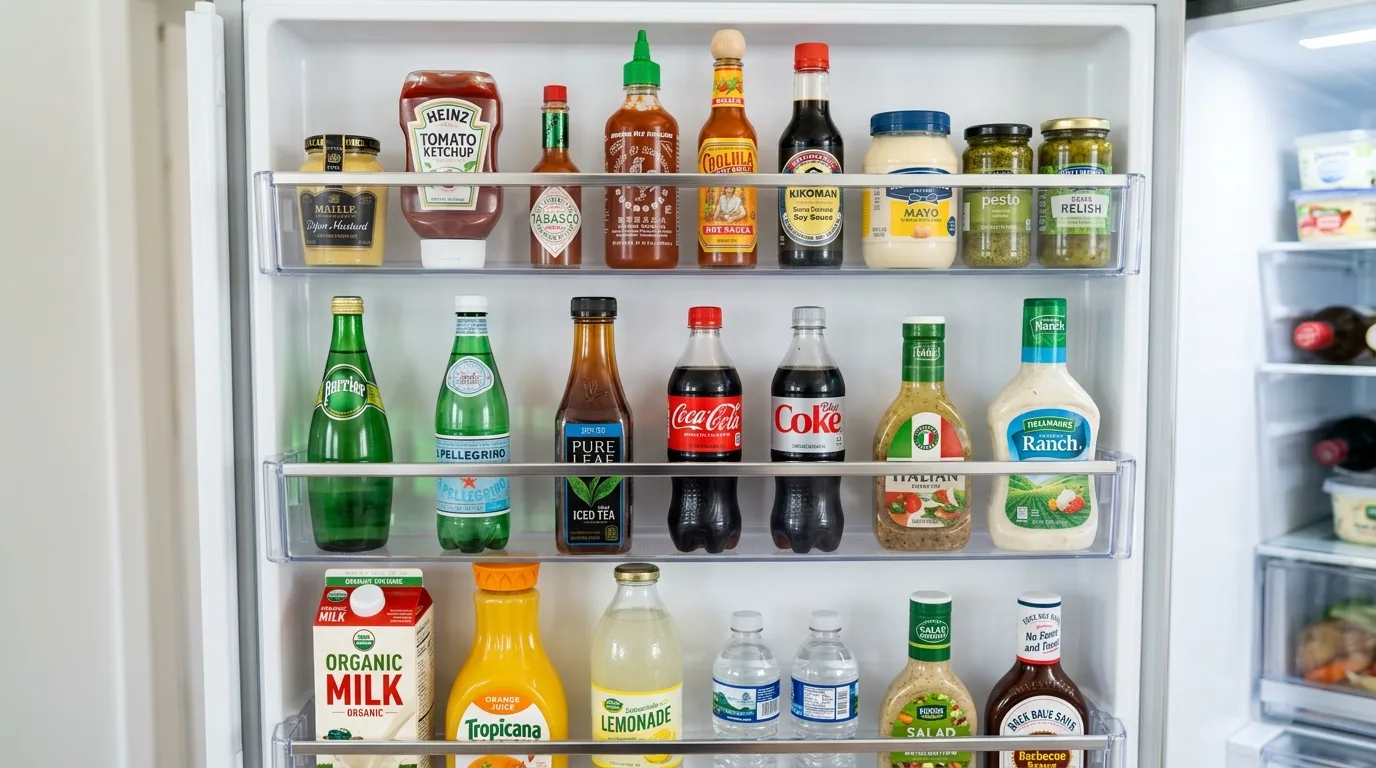
Make leftovers easier to see and grab
Leftovers need to be easy to see or they will be forgotten, no matter how good the rest of the fridge looks. Giving them a visible, repeatable place makes them more likely to be eaten in time and less likely to become wasted space on the back shelf.
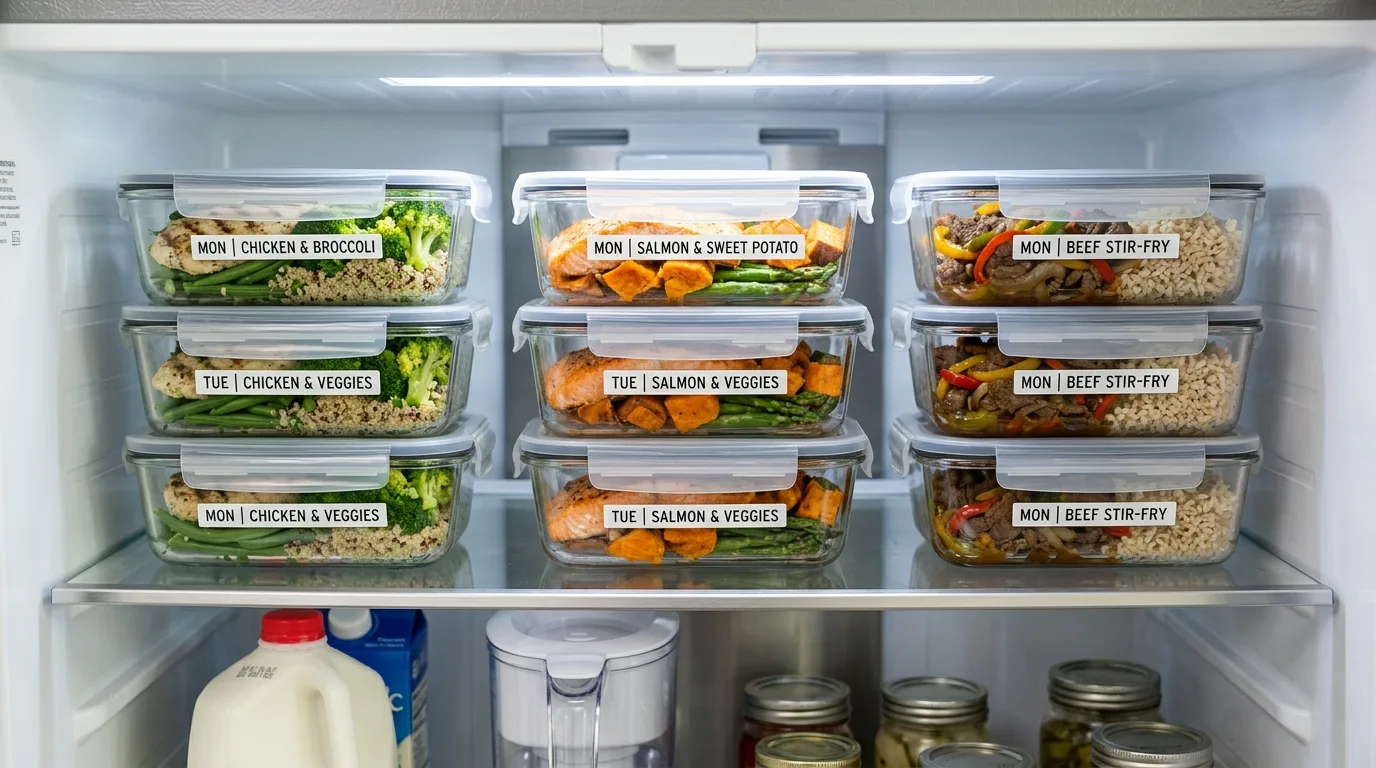
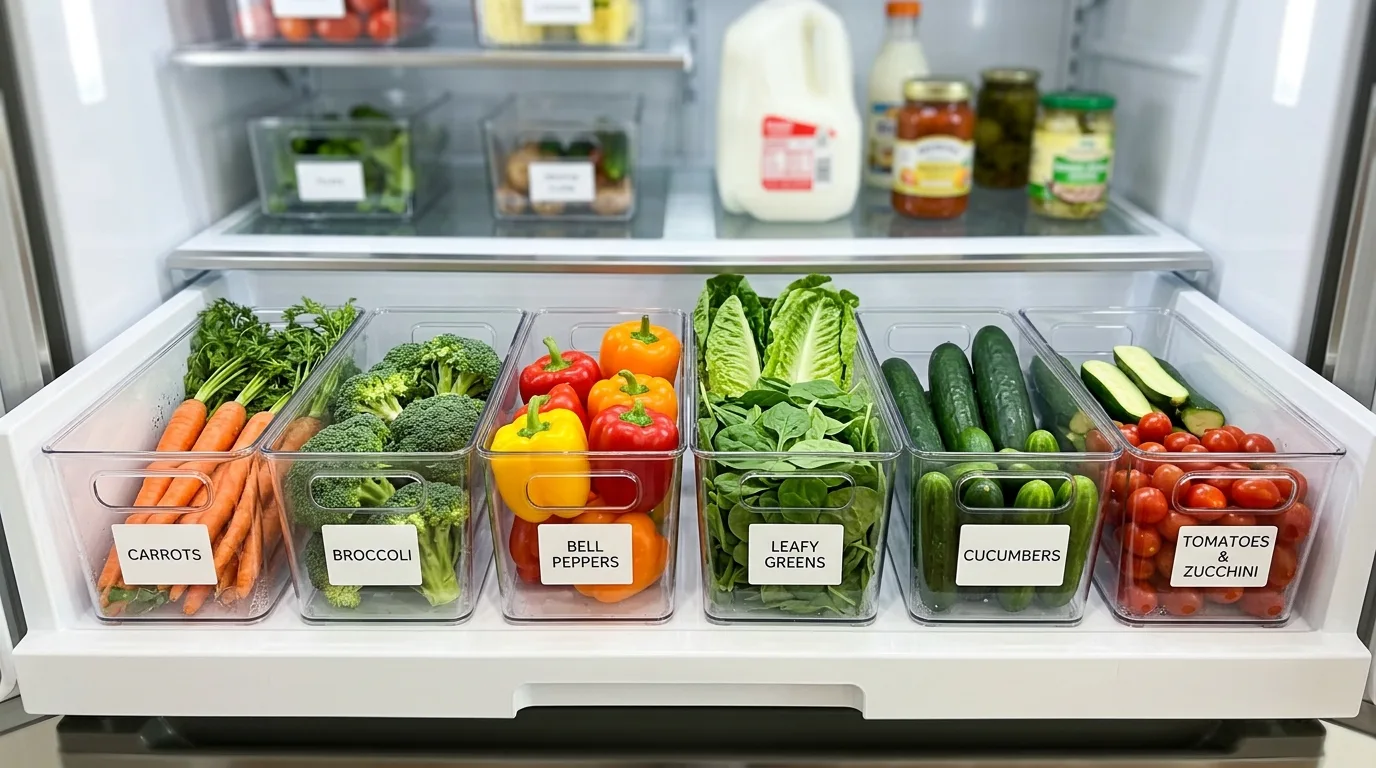
Keep produce in a more visible routine
Produce works better when it is stored with visibility in mind rather than hidden so deeply that it disappears. A system that keeps fruits and vegetables easy to spot usually leads to better use, quicker meal planning, and less waste at the end of the week.
Store drinks without taking over prime space
Drinks can easily dominate the fridge if they are not given a clear limit or dedicated area. Once they are contained properly, the rest of the fridge becomes easier to organize because higher-value food storage is no longer being displaced by bottles and cans.
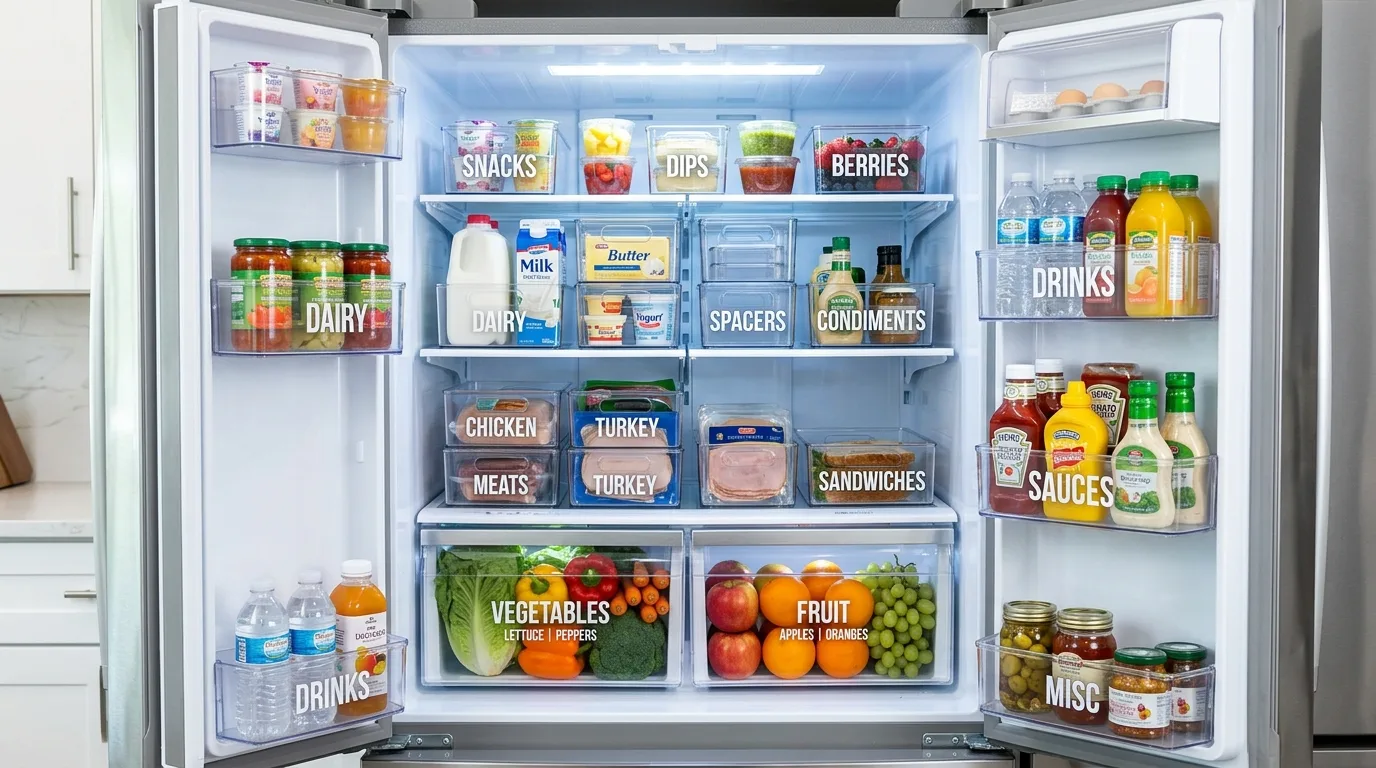
Use door shelves more strategically
Door shelves become more efficient when they are assigned intentionally instead of filled at random. Condiments, jars, and smaller bottles are much easier to manage when the space is treated as a real category zone rather than a last-place-for-everything area.
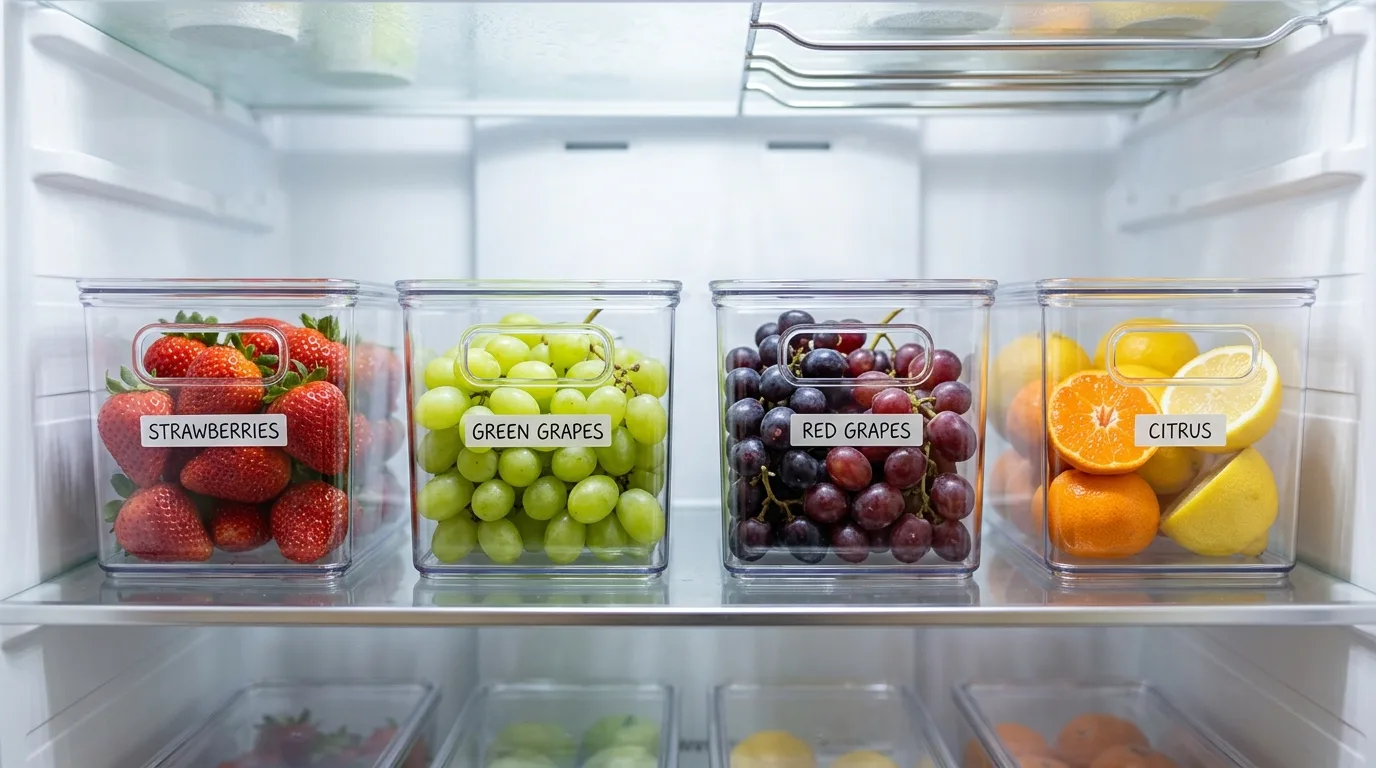
Create a zone for meal prep ingredients
A meal prep zone helps the fridge support how the kitchen actually works during the week. Keeping commonly combined ingredients together can make cooking faster and reduce the time spent searching through multiple shelves whenever a meal needs to come together quickly.
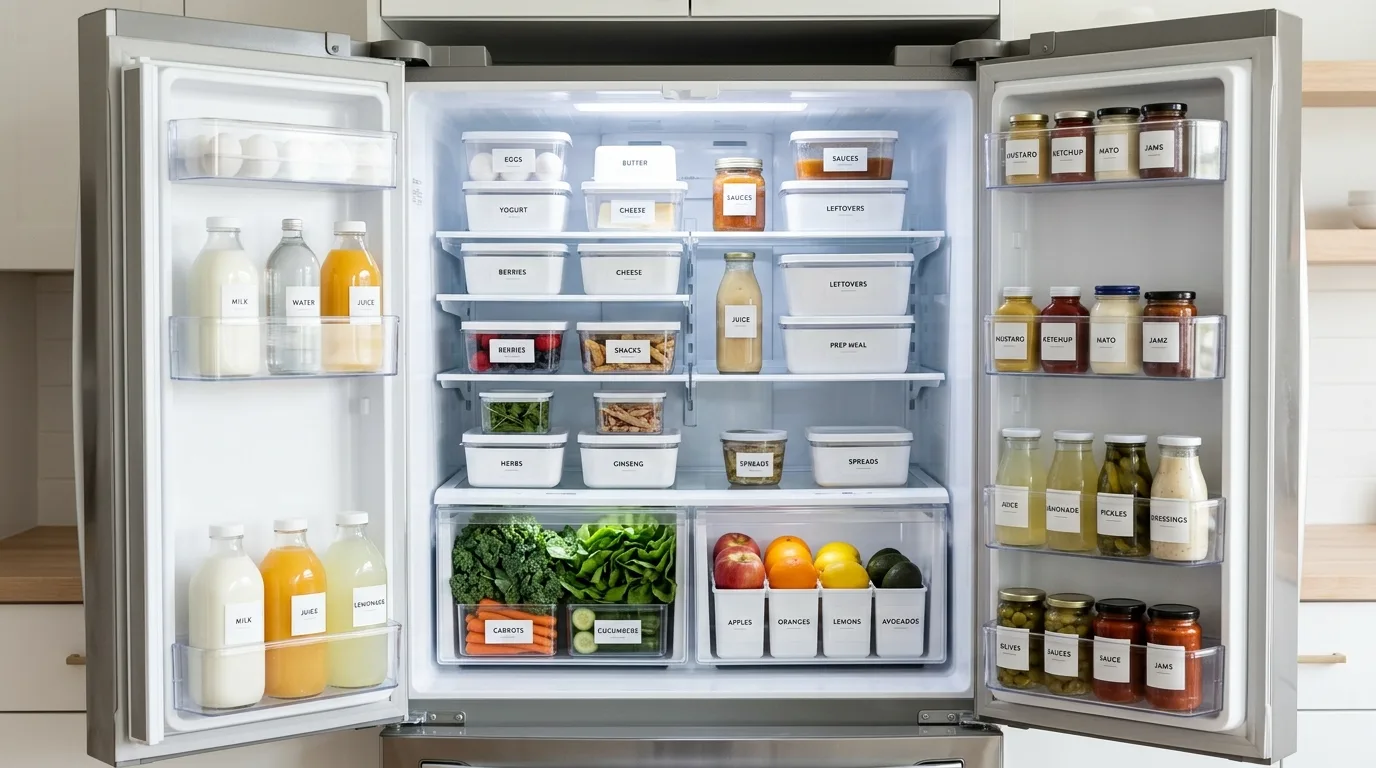
Keep condiments from multiplying in chaos
Condiments multiply easily because they tend to come in many shapes, sizes, and half-used states. Giving them a tighter system prevents them from taking over the door or disappearing behind one another, which makes the whole fridge feel less cluttered immediately.
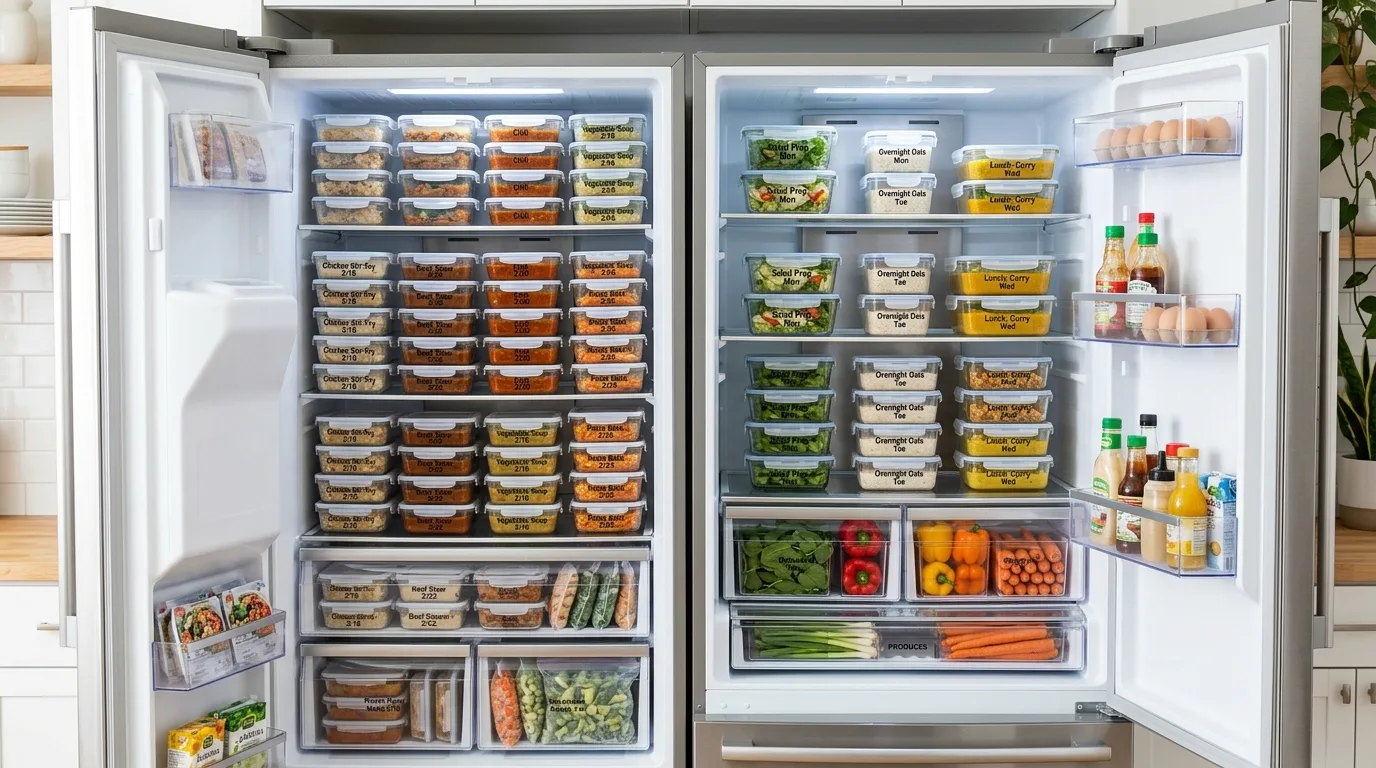
Use labels when containers look too similar
Labels help when containers look too similar or when a shared household keeps shifting items around without a clear plan. They are especially useful in a fridge because clarity saves time and makes it easier to use food in the order it should be used.
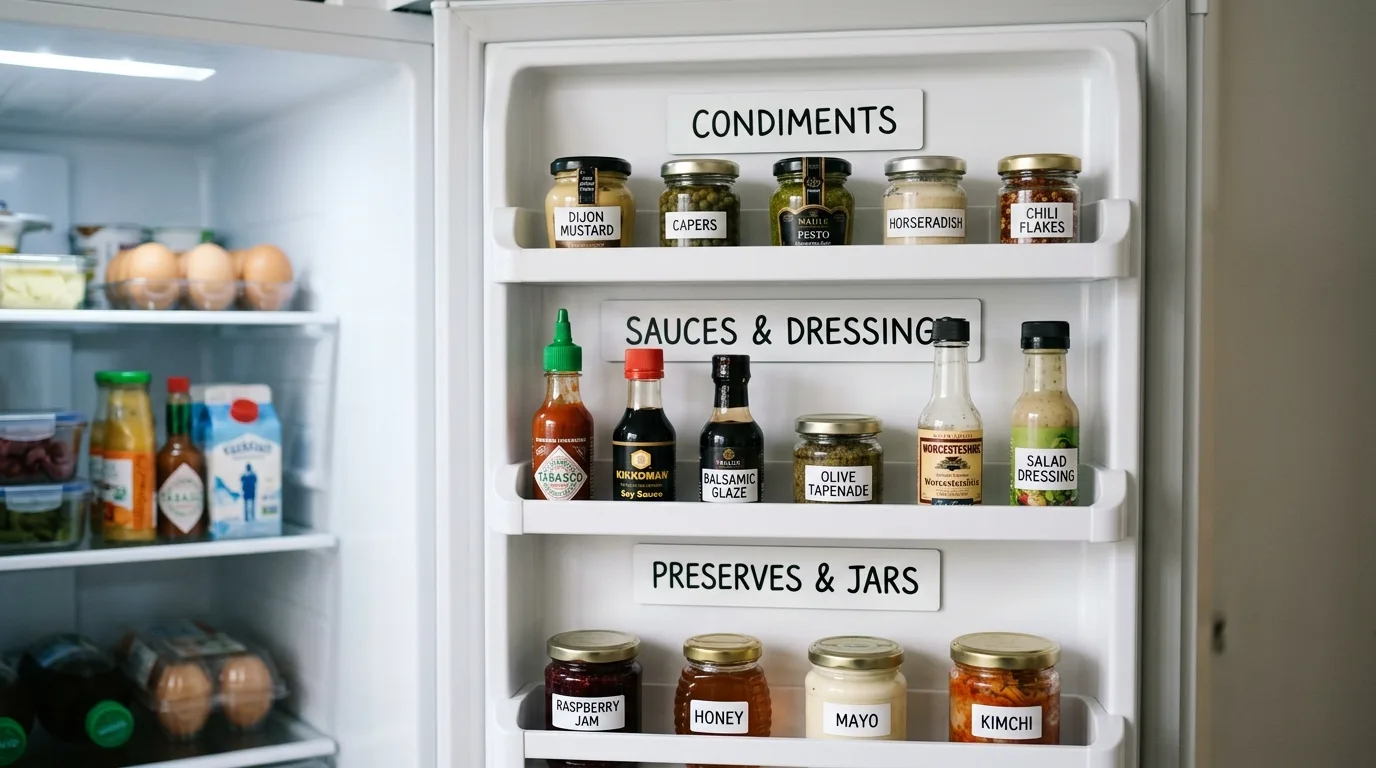
Make snacks easier for the household to find
Snack zones are one of the most practical fridge upgrades because they reduce random rummaging and help everyone in the house know where quick-grab items belong. That simple visibility can keep the rest of the fridge from being disturbed unnecessarily all day long.
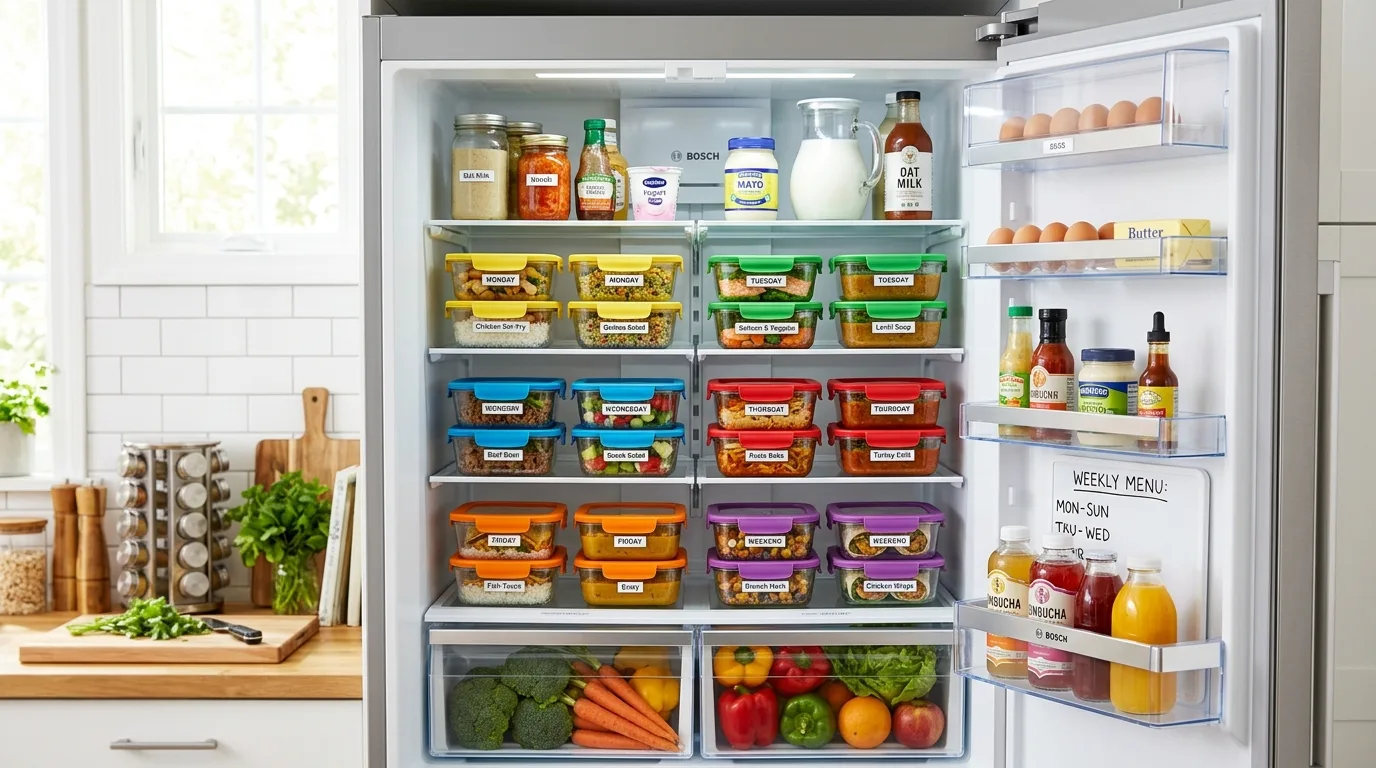
Clean as part of the system, not as a reset
Cleaning works better as part of the organization system instead of something saved for a total breakdown moment. Wiping, checking dates, and resetting small categories regularly keeps the fridge from reaching the point where it needs a major overhaul every time.
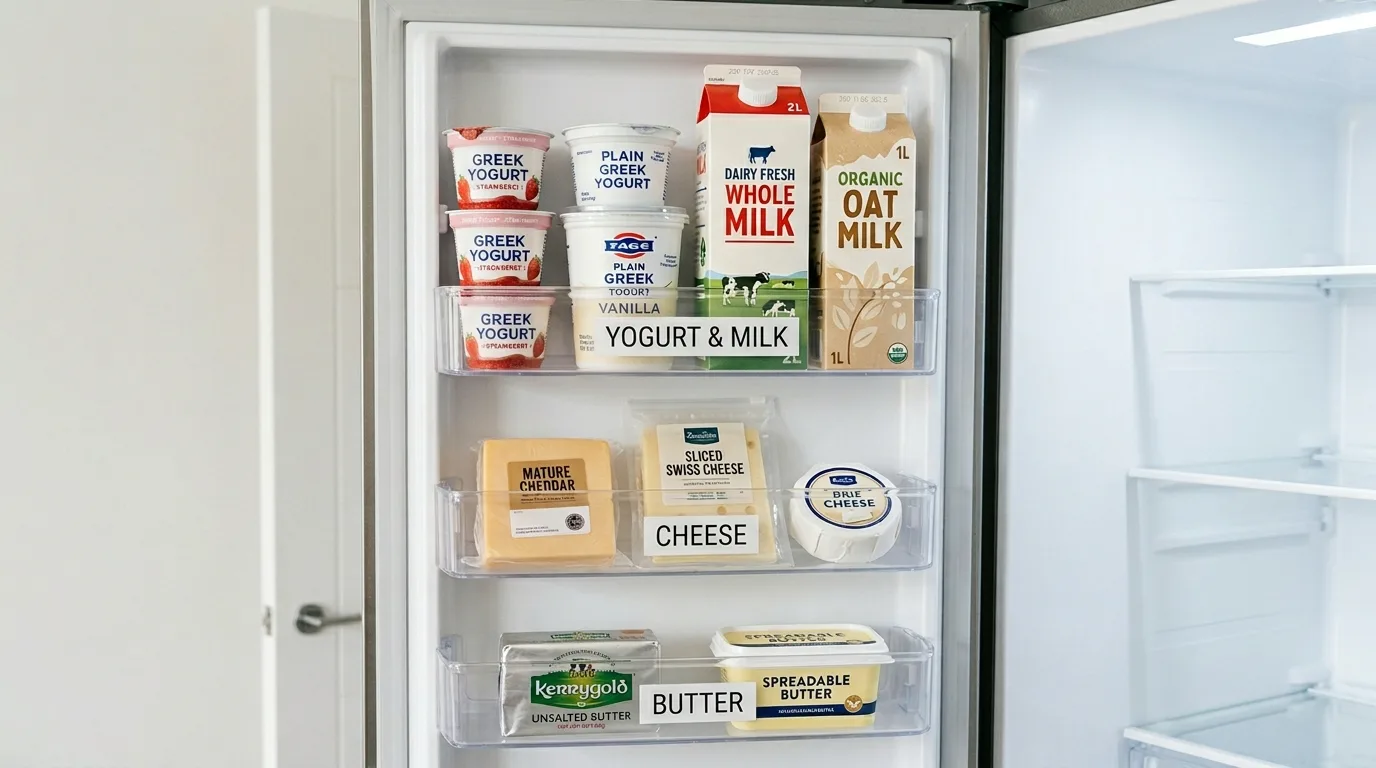
Use clear containers where they truly help
Clear containers are helpful when they reveal what is inside without adding too much extra handling or visual clutter. Used selectively, they make the fridge easier to scan, which improves both organization and the chances of food getting used before it expires.
Finish with a fridge that cuts food waste
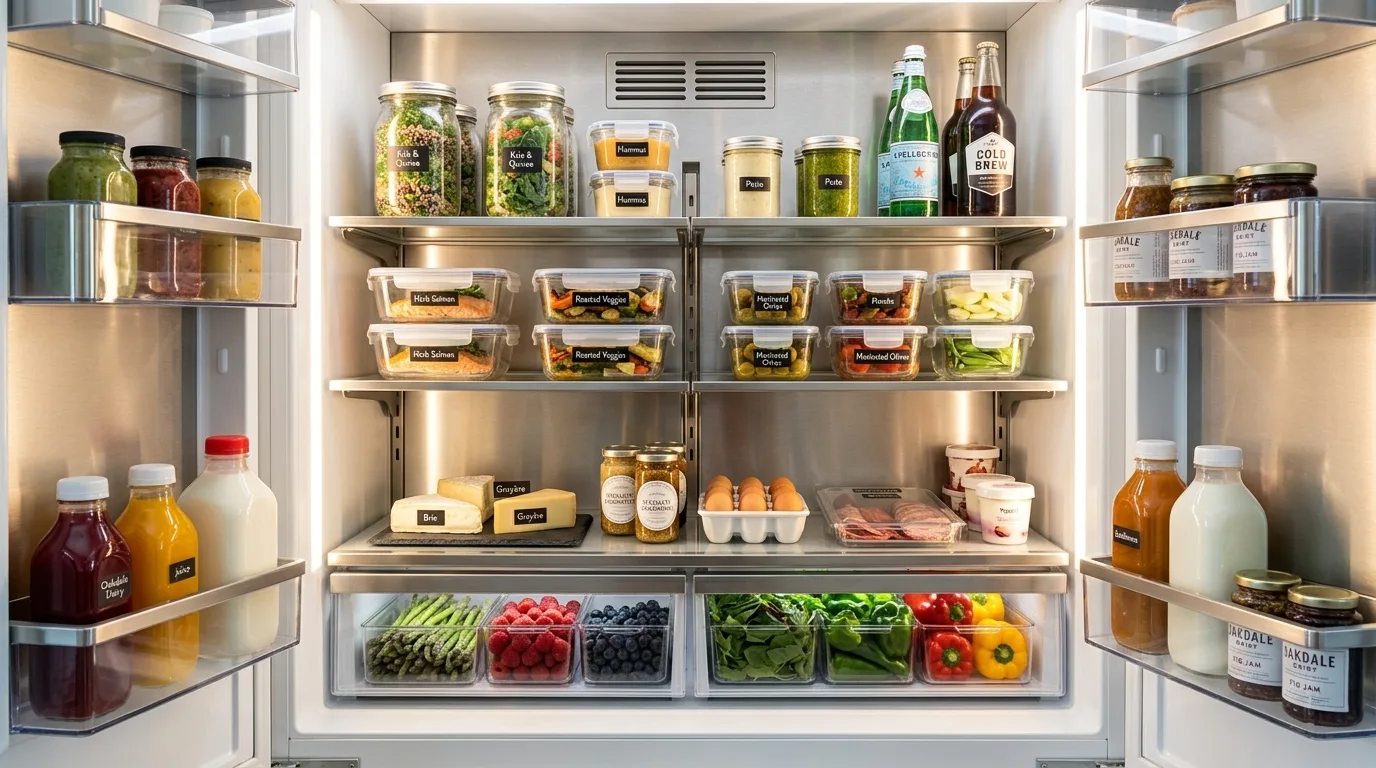
A well-organized fridge ultimately makes the kitchen feel cleaner because it supports smarter shopping, easier cooking, and less waste. Once zones, categories, and visibility are all working together, the entire routine around food becomes noticeably easier.