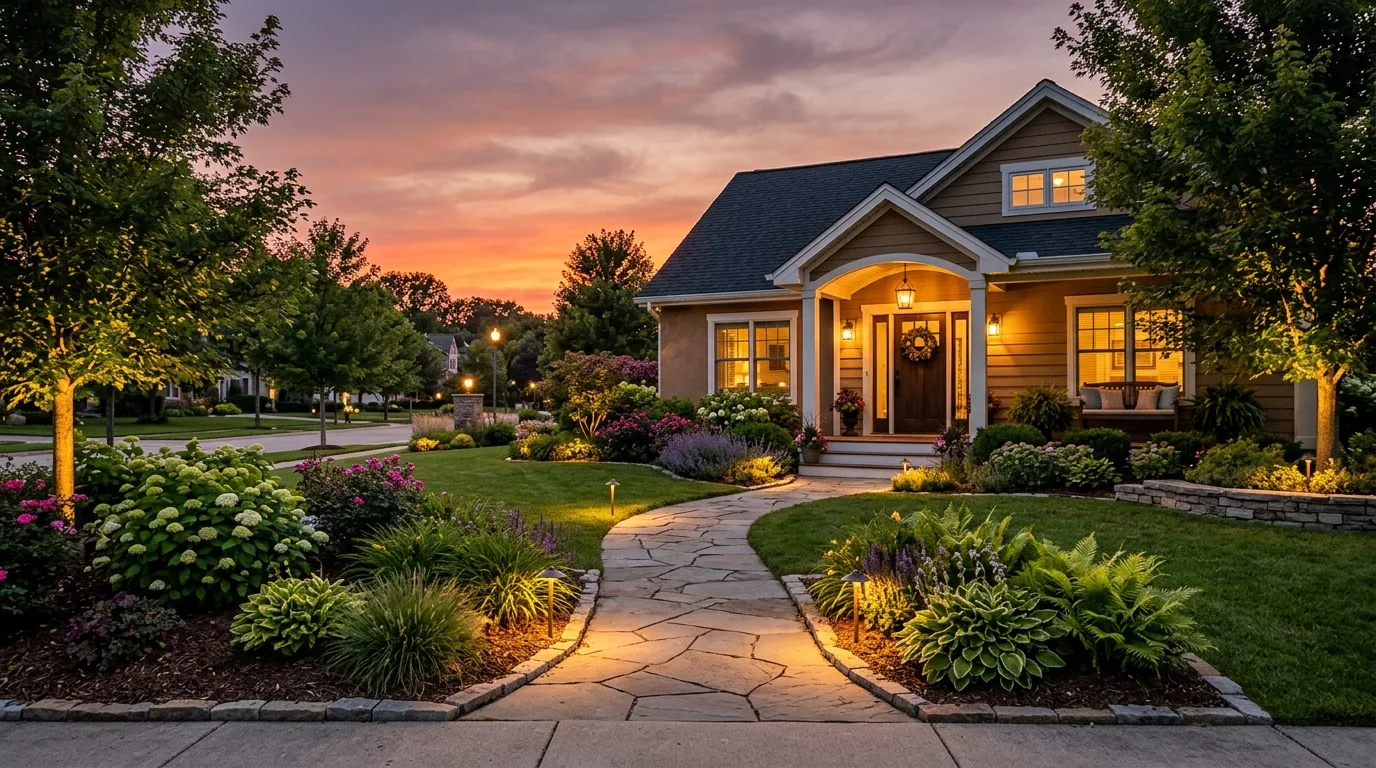
A front yard sets expectations for the whole home. Good landscaping can make the property feel more cared for, more valuable, and more welcoming long before anyone reaches the front door.
The best curb appeal comes from balance rather than excess. Pathways, planting beds, lighting, and focal elements work best when they support the architecture instead of fighting for attention.
Create a clearer path to the front door
A clear path to the front door gives the whole yard more structure because it tells the eye exactly where to move. When that route feels deliberate and well-framed, the house immediately reads as more welcoming and much more thoughtfully maintained.
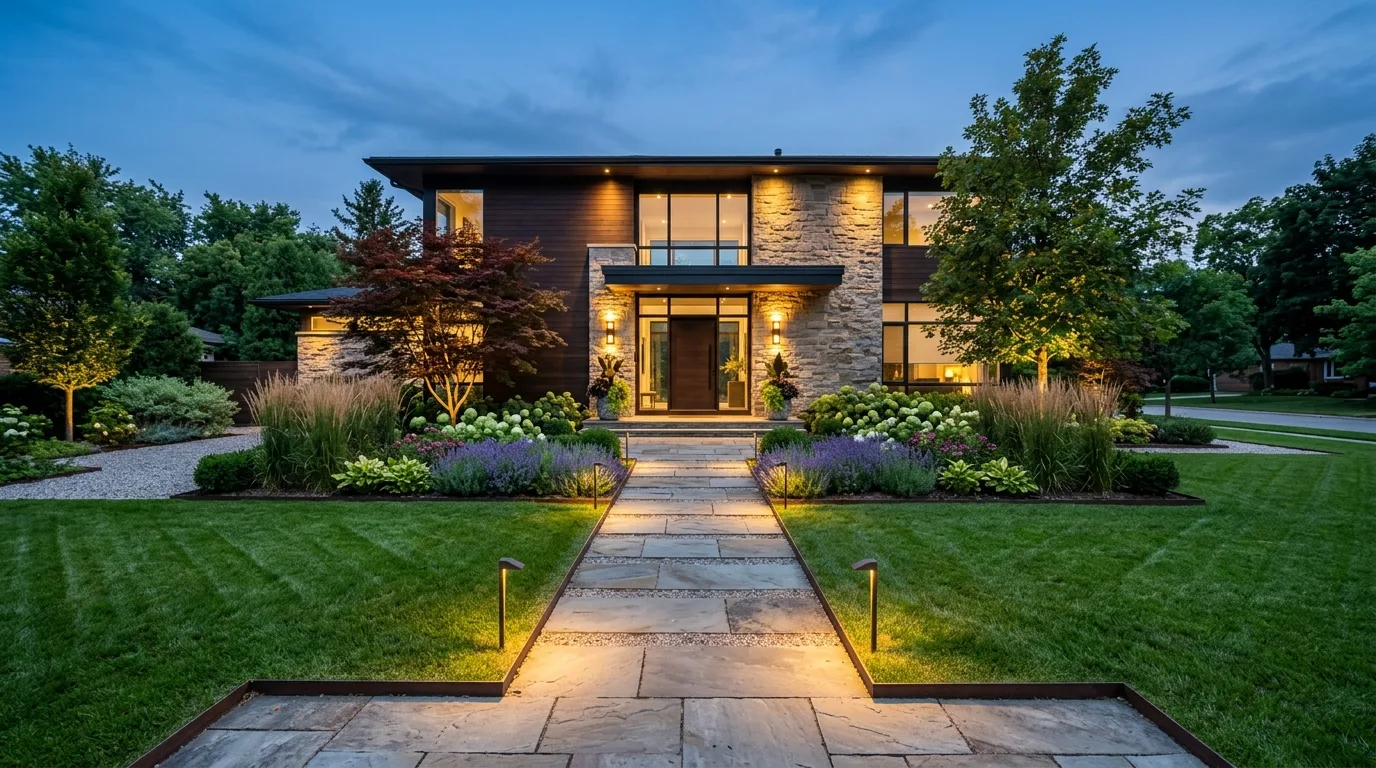
Layer plants by height for stronger depth
Layering plants by height creates depth that flat plantings can never achieve on their own. Taller shrubs, medium fillers, and lower edging work together to make beds look fuller and more composed while still allowing the architecture of the home to stay visible.
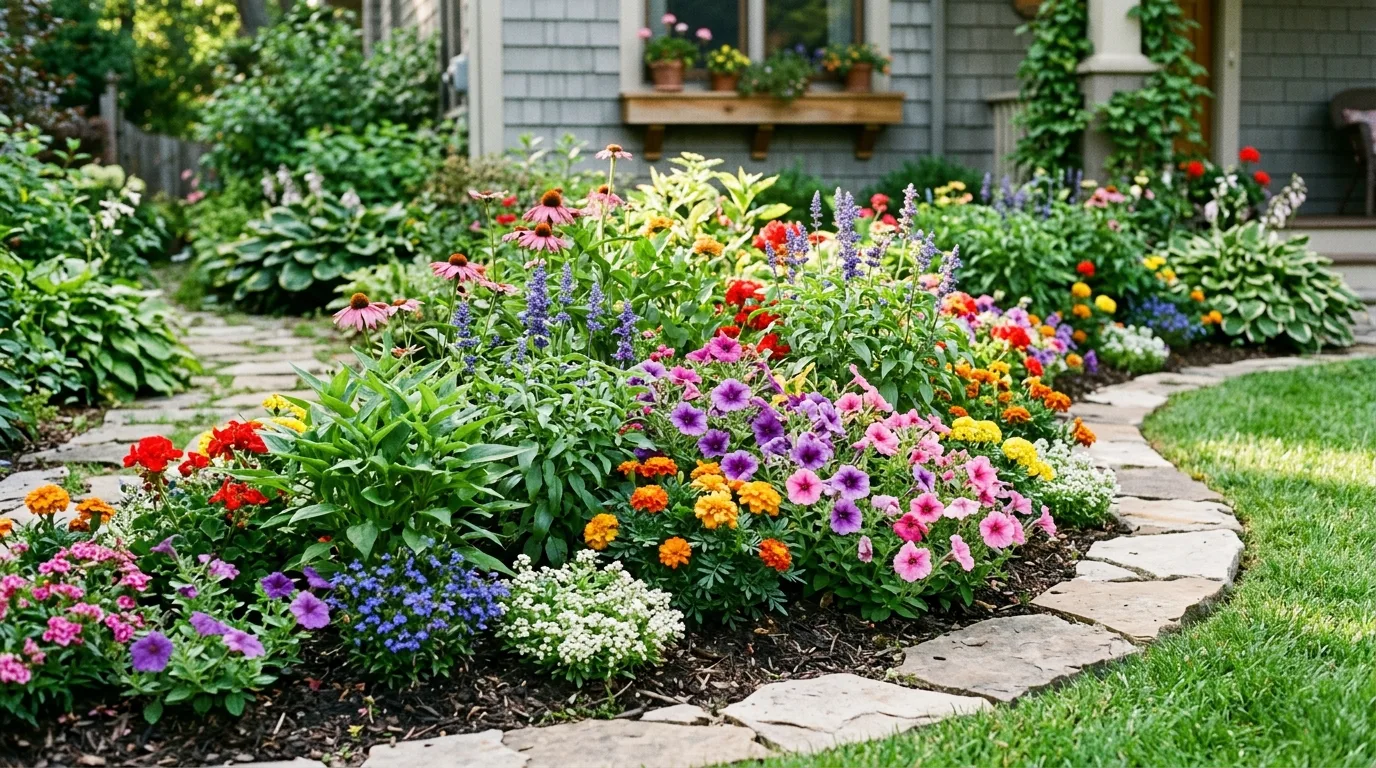
Use symmetry when the architecture supports it
Symmetry can be especially powerful in a front yard when the architecture already has a balanced shape. Matching plantings, lights, or containers can strengthen that formal structure and make the entire entry feel more polished from the street.
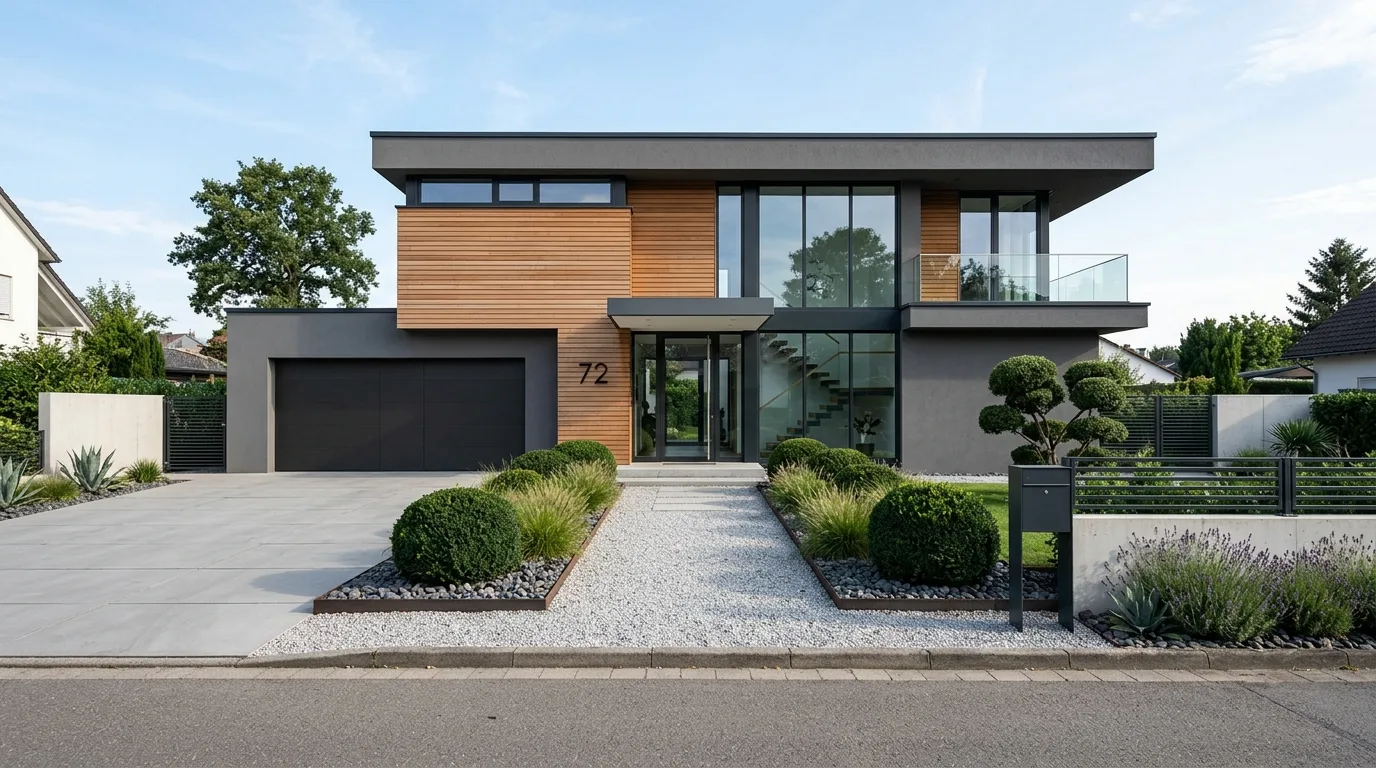
Add edging that keeps beds visually crisp
Edging makes a noticeable difference because it gives planting beds a crisp boundary against lawn or path material. That one detail helps the yard feel better kept overall, even before any flowers or shrubs are fully established or in peak seasonal condition.
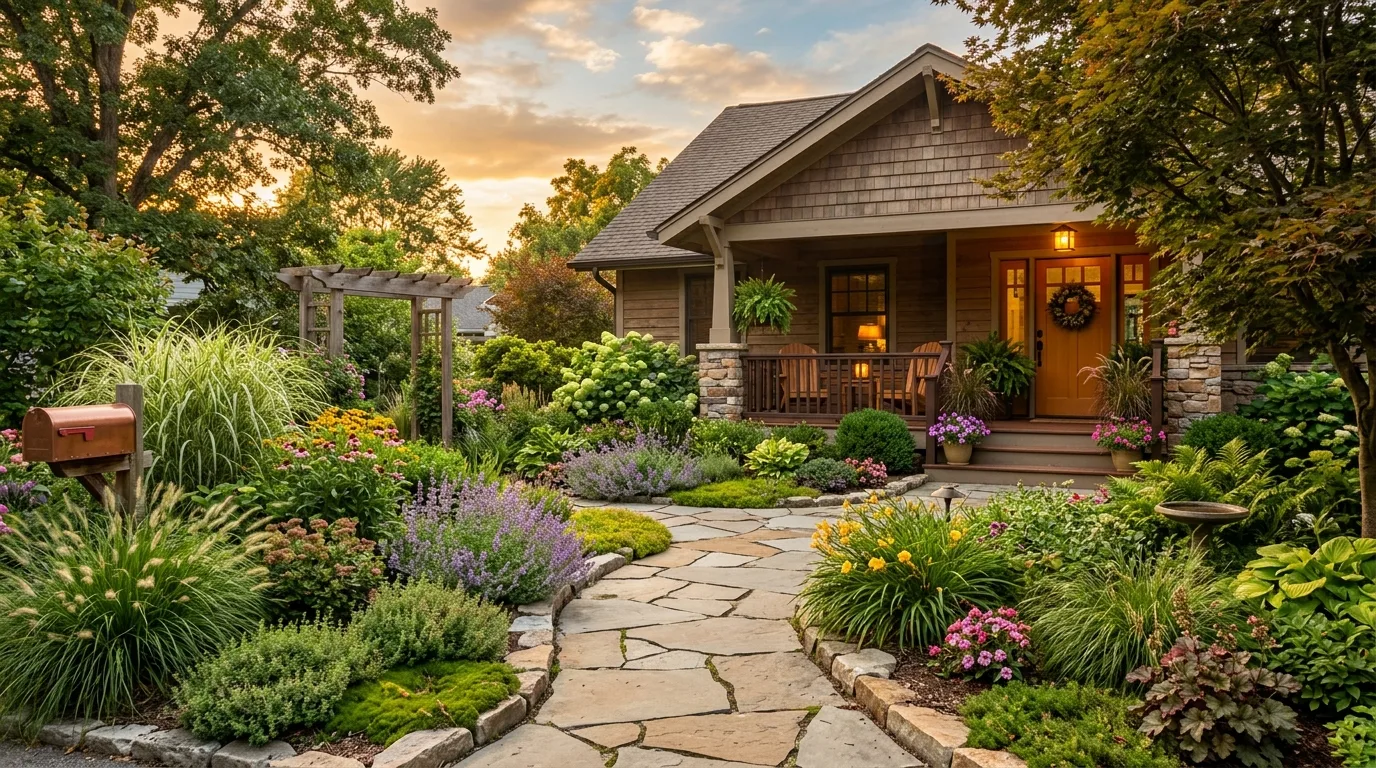
Bring in lighting that improves evening curb appeal
Lighting improves curb appeal because it allows the front yard to keep working after sunset. Well-placed path lights, uplighting, or entry illumination can make the home feel safer, warmer, and much more visually complete in the evening.
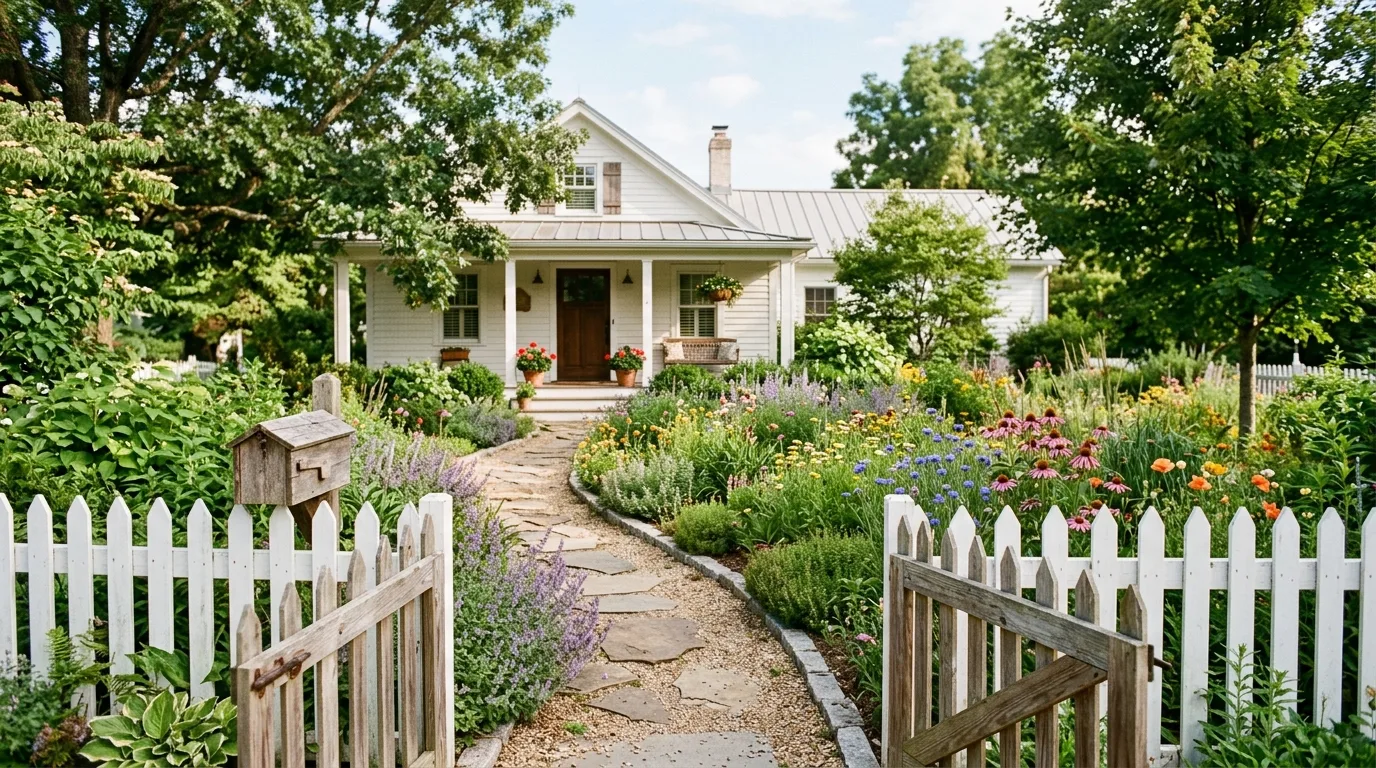
Use a focal tree or shrub with intention
A focal tree or shrub gives the yard a stronger center of gravity and makes the planting plan feel intentional. Without some kind of anchor, even attractive beds can start to feel scattered, but a clear focal point helps everything else relate back to one stronger idea.
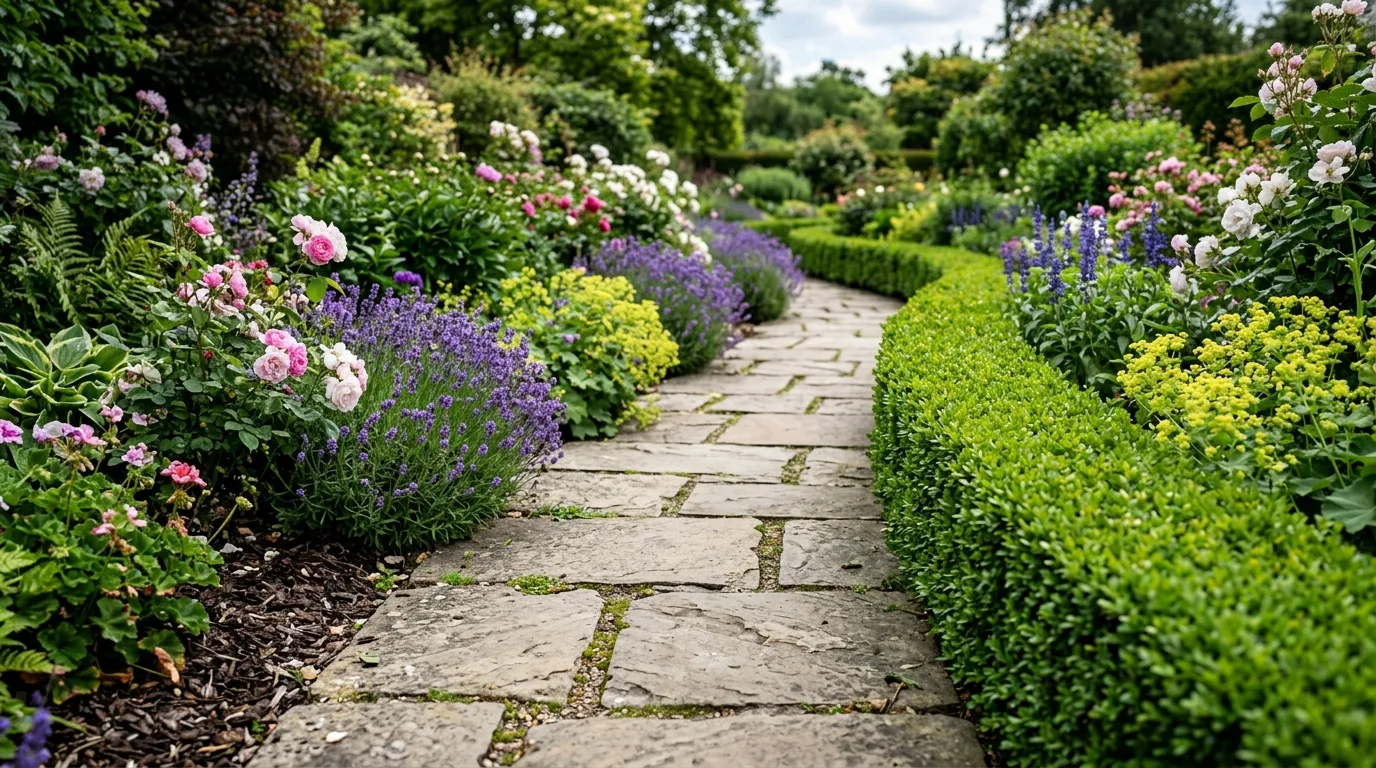
Let hardscape support the planting plan
Hardscape supports planting by giving the landscape structure and contrast instead of leaving the whole front yard dependent on soft material alone. Stone, brick, or gravel can make the yard feel more designed and also help direct movement more clearly.
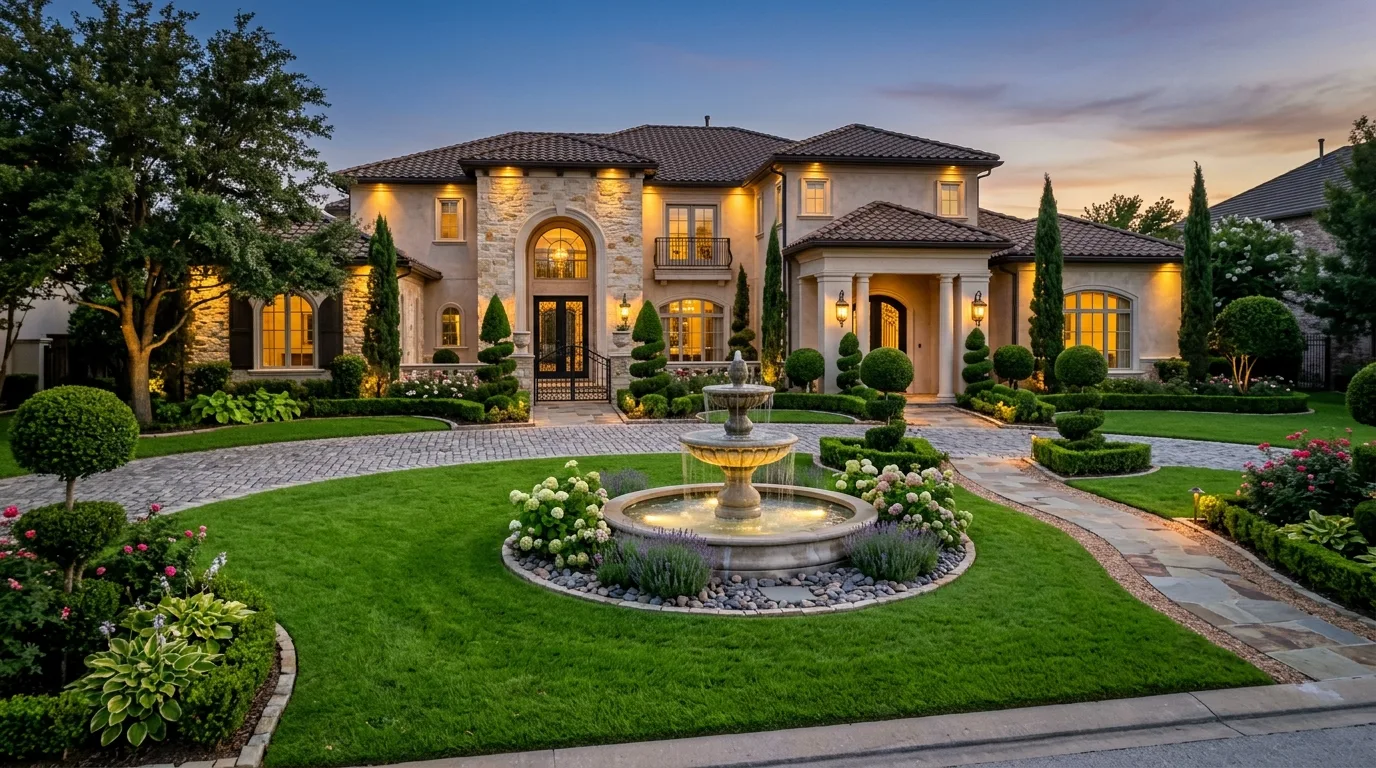
Repeat plant varieties for a cleaner look
Repeating plant varieties creates rhythm and keeps the front yard from looking overly busy. When the same forms or colors appear in multiple places, the beds feel more connected to one another and the whole facade looks more composed.
Use seasonal color without making it chaotic
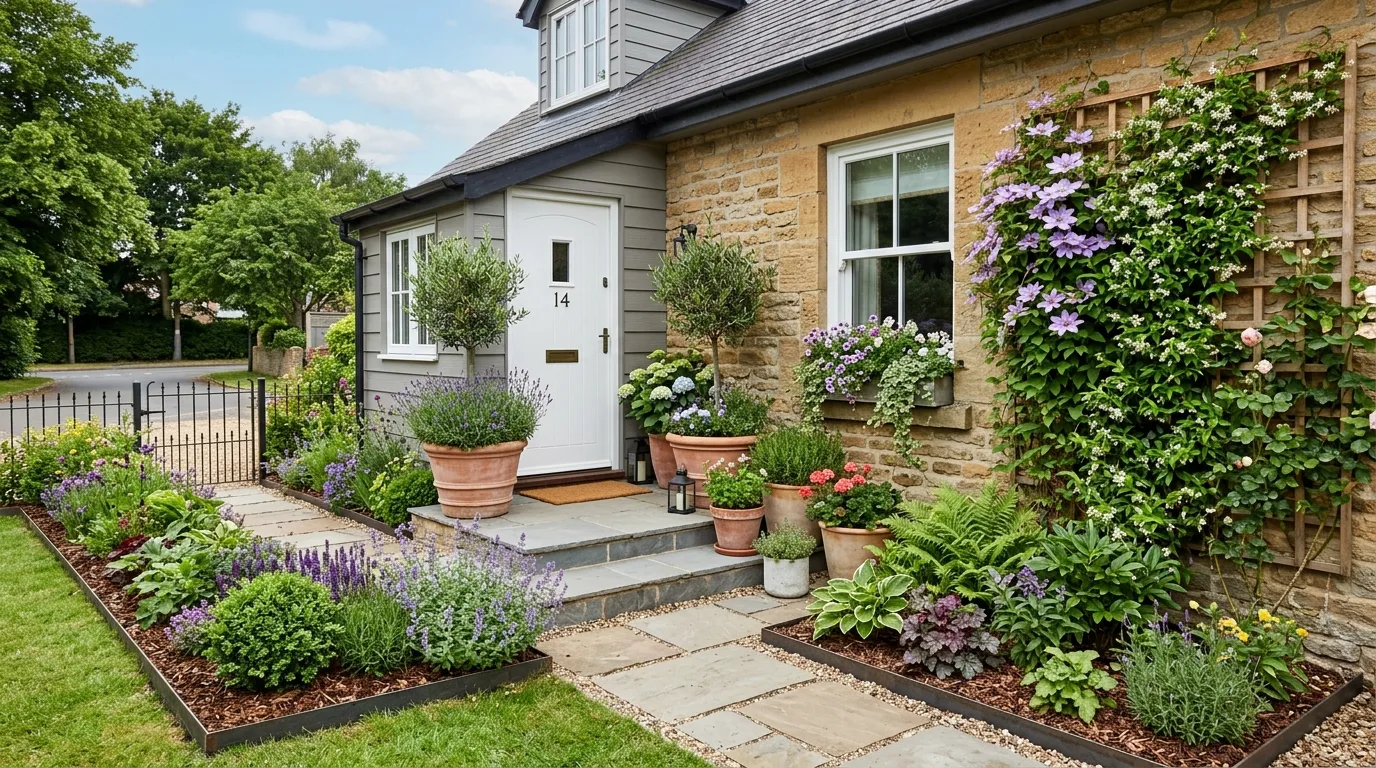
Seasonal color is most effective when it adds energy without overwhelming the basic planting structure. A few strong bursts can make the yard feel lively and fresh, but the permanent framework still needs to carry the design when blooms are gone.
Frame the entry with stronger visual weight
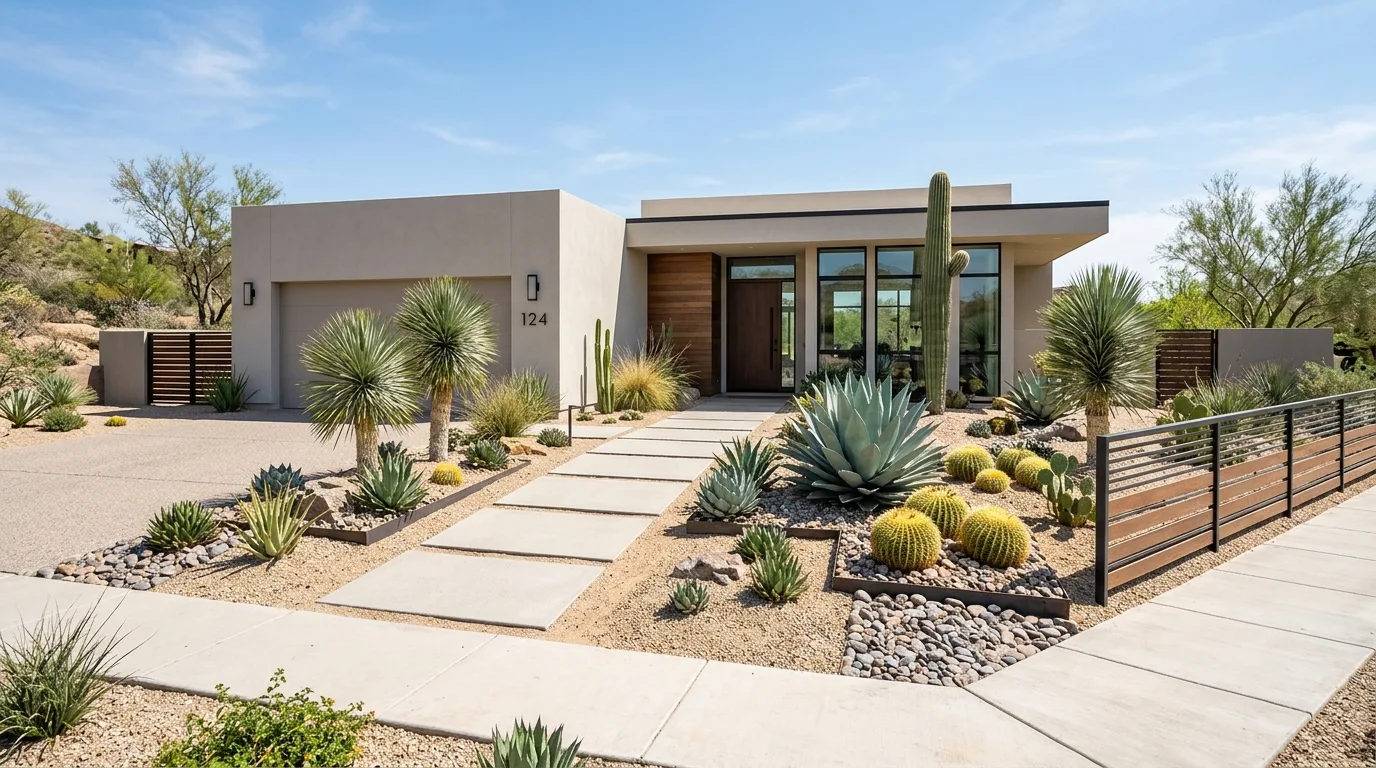
Framing the entry with stronger visual weight helps the front door feel more important and more inviting. Larger planters, taller planting, or more defined edges near the entrance can make the house feel easier to approach and more memorable from a distance.
Keep lawn and planting transitions more deliberate
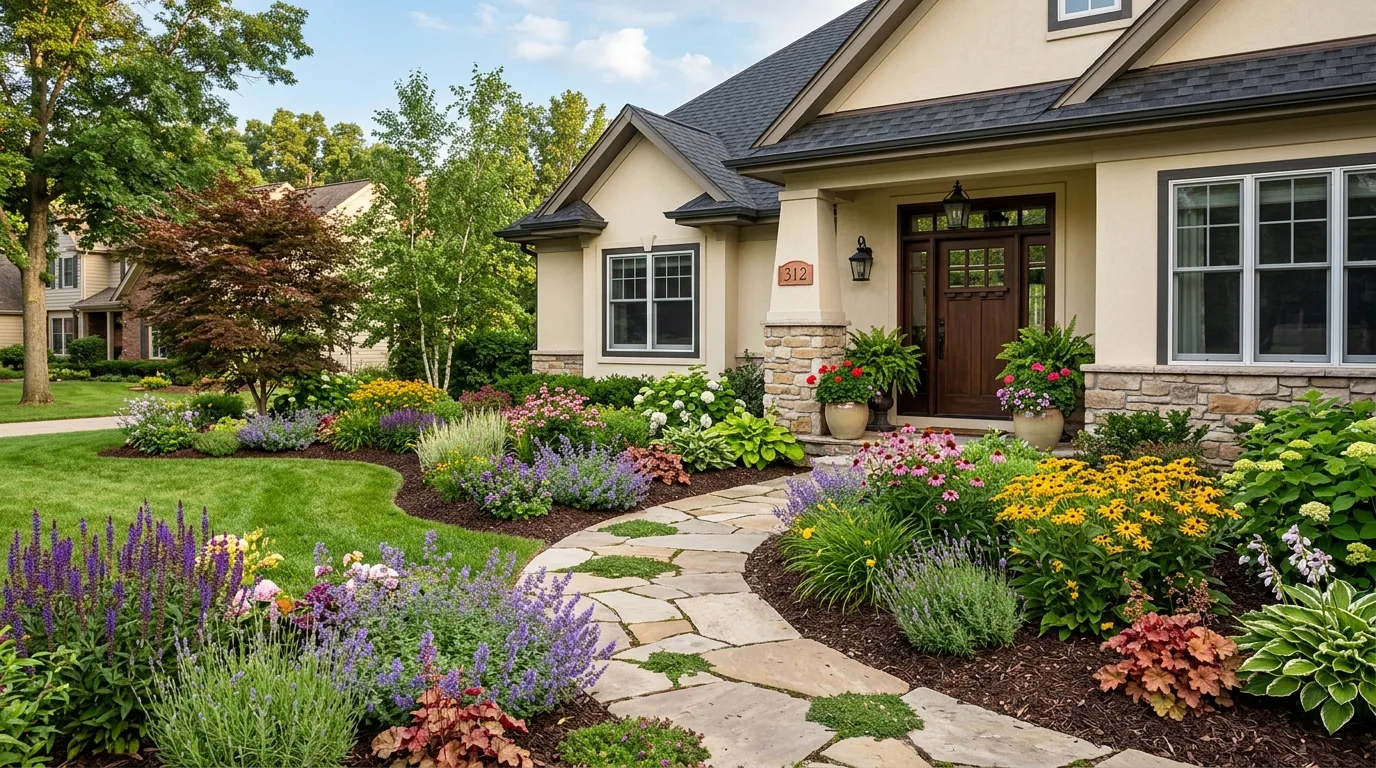
Transitions between lawn and beds feel more polished when they are handled deliberately rather than left to blur together. That clarity gives the entire front yard a stronger sense of order and helps every planting choice look more intentional.
Use stone or gravel to add texture and contrast
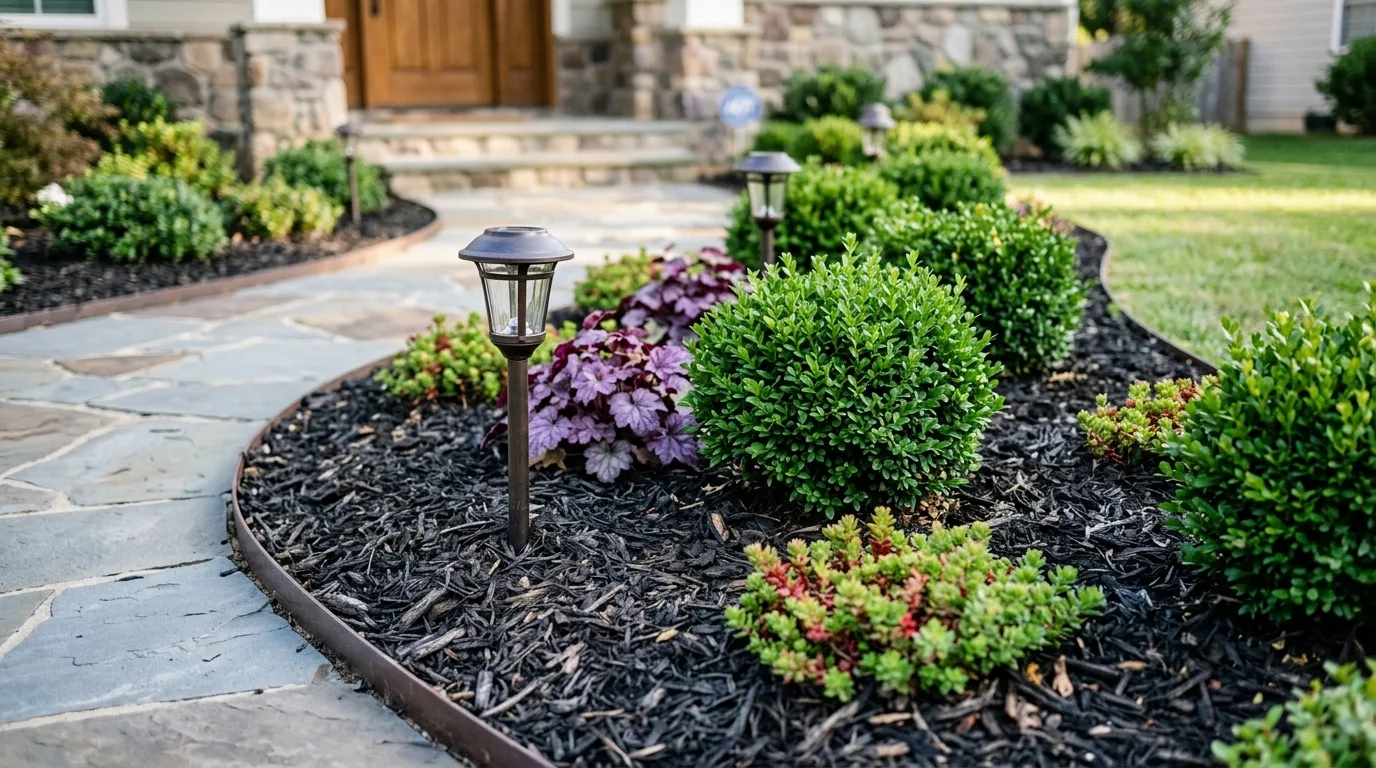
Stone or gravel can add a useful layer of contrast in a front yard because they bring texture and permanence alongside softer planting. Used well, they keep the landscape from feeling one-note and help the yard feel grounded against the home itself.
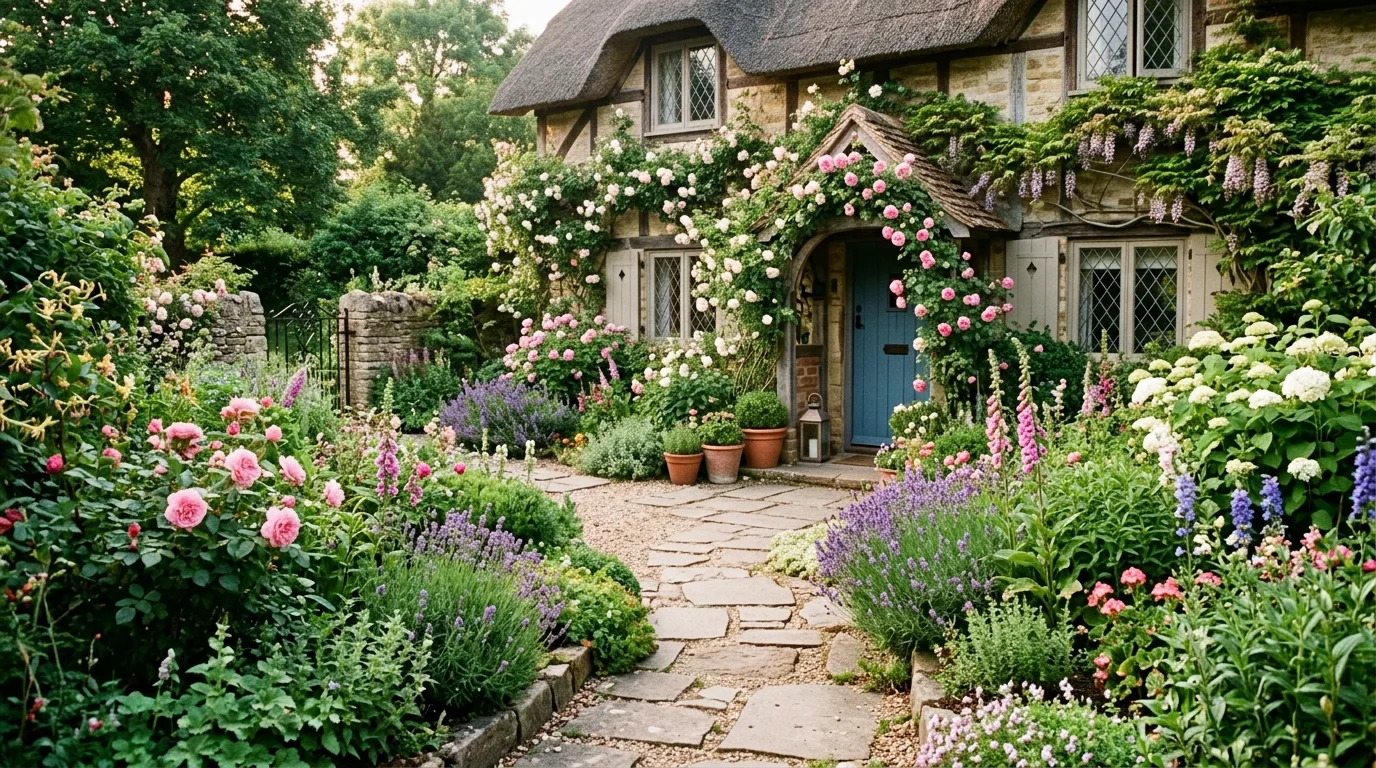
Make small front yards feel more structured
A small front yard benefits from stronger structure because limited space makes every choice more visible. Clear zones, disciplined planting, and well-scaled focal points can make even a compact yard feel purposeful rather than cramped or unresolved.
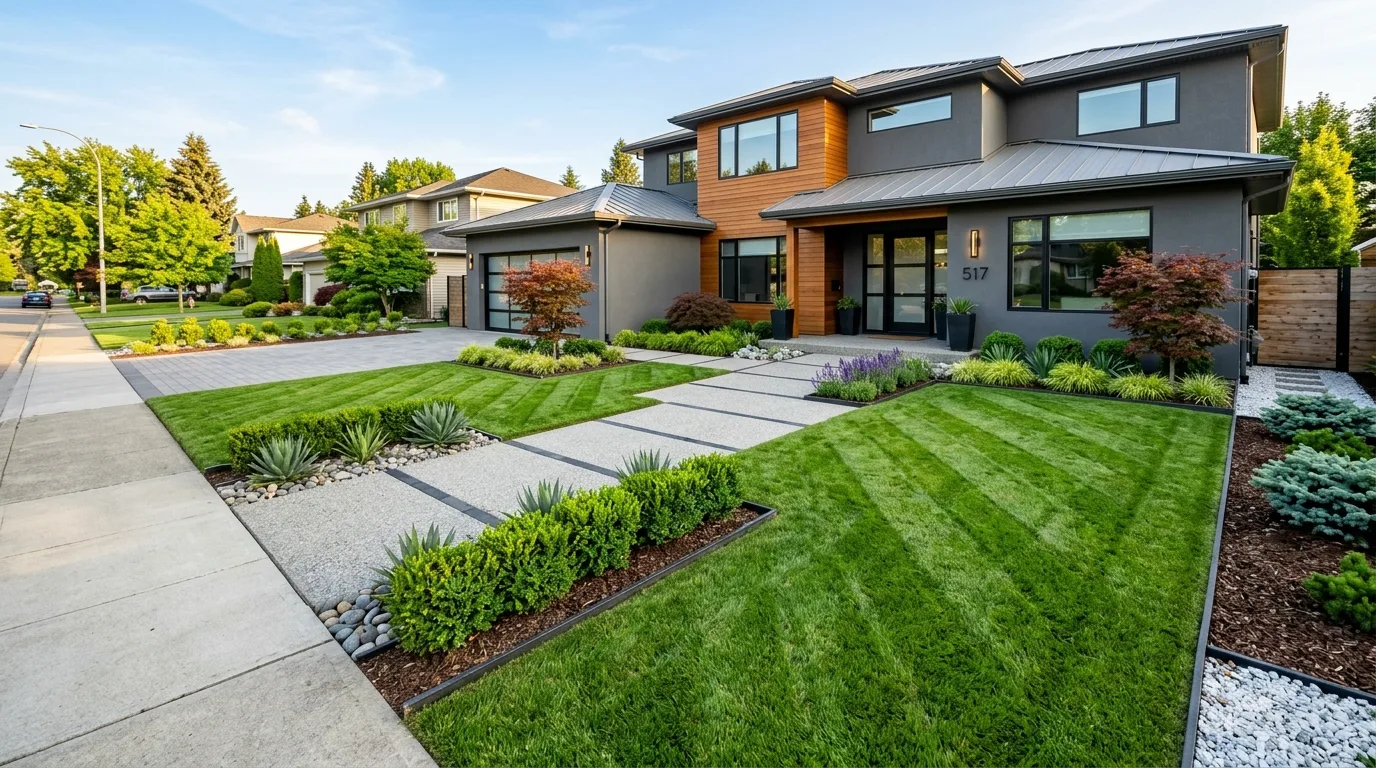
Balance privacy with openness near the facade
Privacy near the facade has to be balanced carefully so the home still feels open and welcoming from the street. Strategic screening can soften views and add comfort, but it works best when the front elevation still feels legible and connected to the landscape.
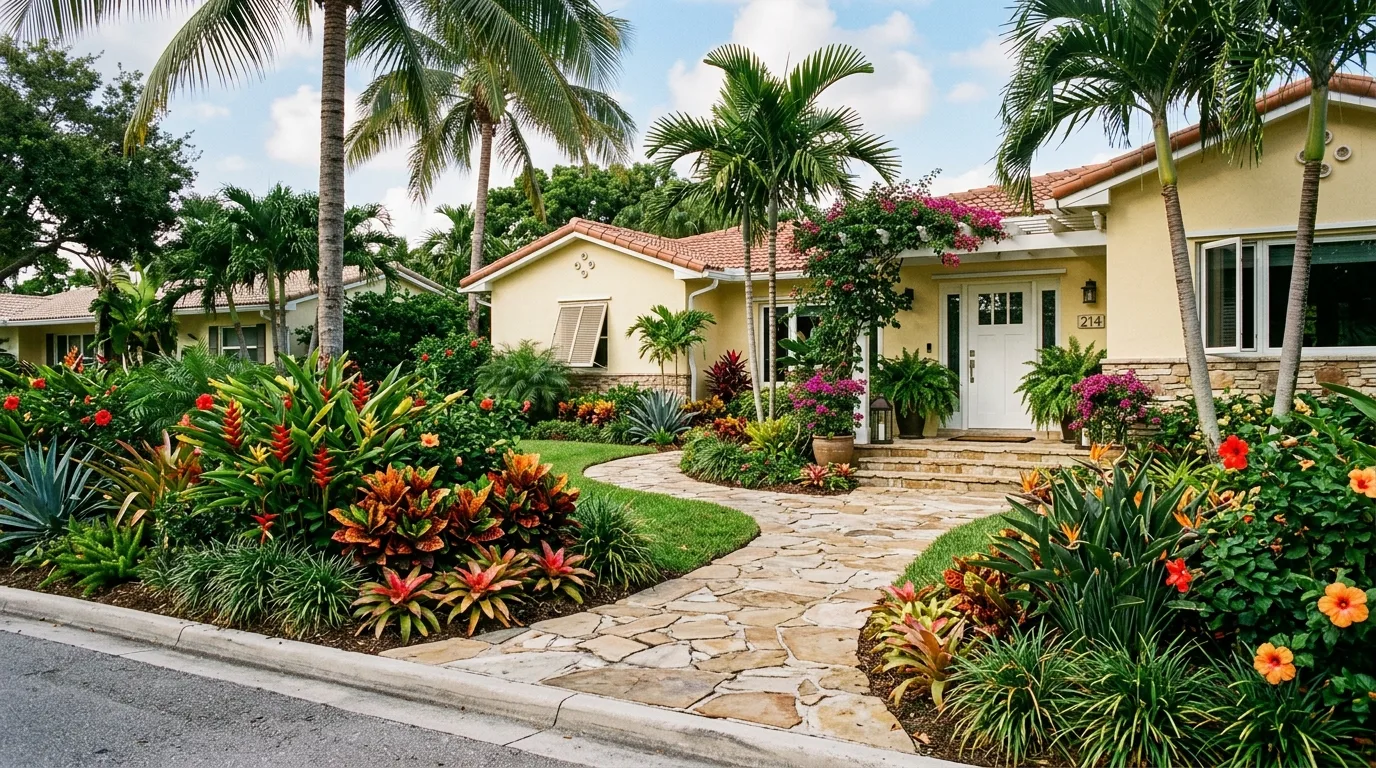
Finish with a yard that feels welcoming year-round
The strongest front yards hold together across seasons because their structure is doing more than their temporary color. When pathways, beds, focal points, and scale all relate properly to the house, the overall curb appeal lasts far beyond one bloom cycle.