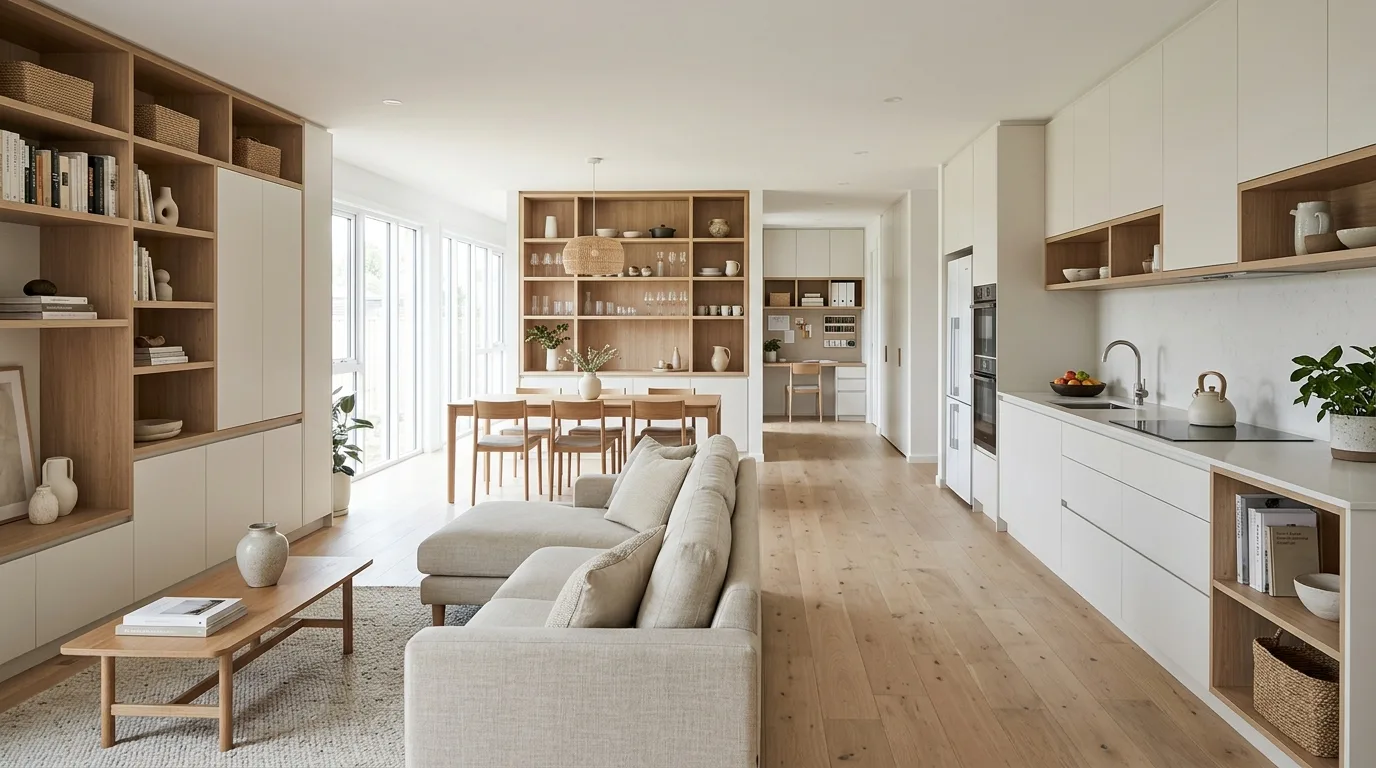
Decluttering a home rarely sticks when it stops at surface cleaning. The real progress comes from building storage and reset systems that match the way each room is actually used.
A more organized home does not require complex products everywhere. It works better when each space has a clear place for essentials, a way to reduce overflow, and habits that make maintenance feel realistic.
Start with categories before buying containers
Categories should always come before containers because storage only works well when it reflects what actually belongs together. Sorting by function first makes every later decision easier, and it keeps the home from filling up with organizing products that do not solve the real problem.
Use drop zones where clutter naturally lands
Drop zones matter because clutter rarely appears randomly; it lands in predictable places again and again. Designing for those habits instead of fighting them gives the home a much better chance of staying organized through normal daily life.
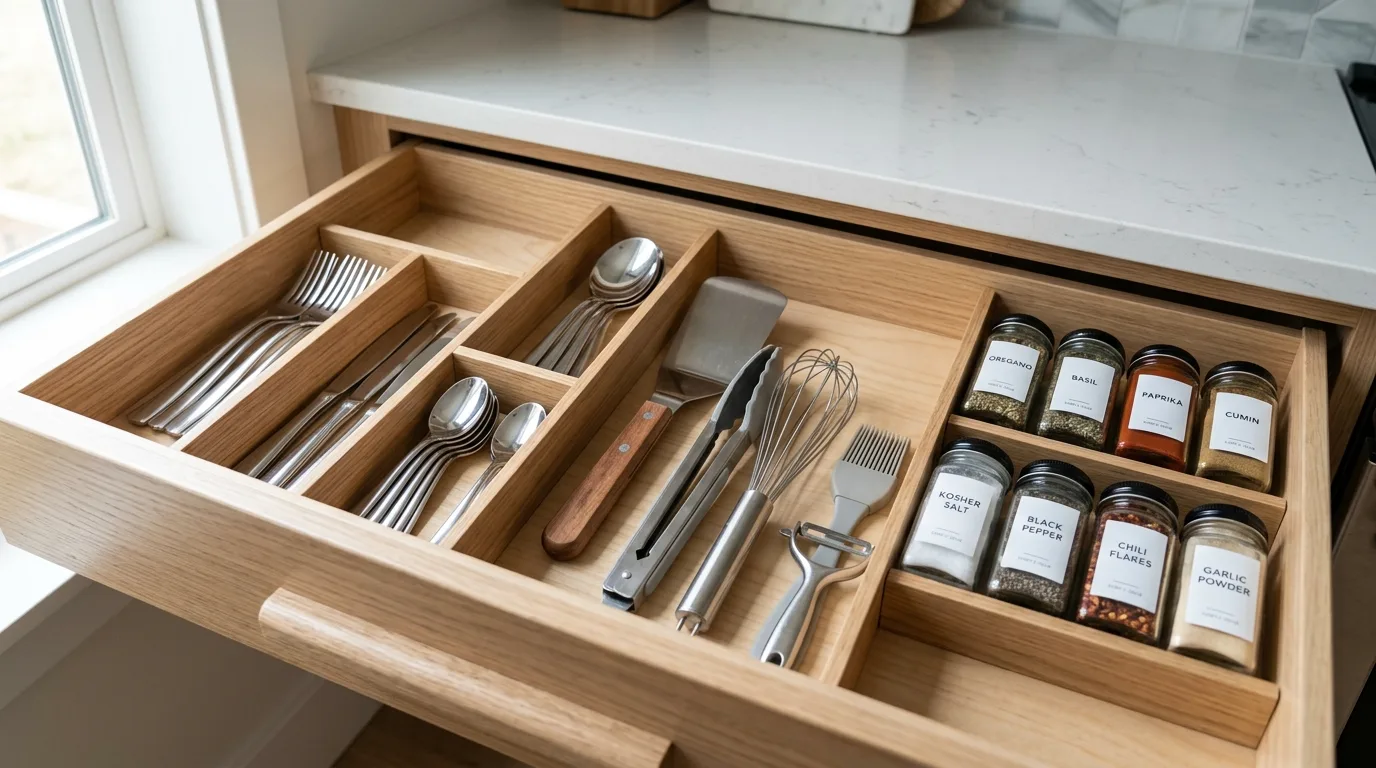
Give everyday items easier access than overflow
Everyday items should always be easier to reach than backups or overflow, because access shapes behavior more than good intentions do. When the most-used things are simple to grab and simple to return, the house becomes easier to keep in order with much less effort.
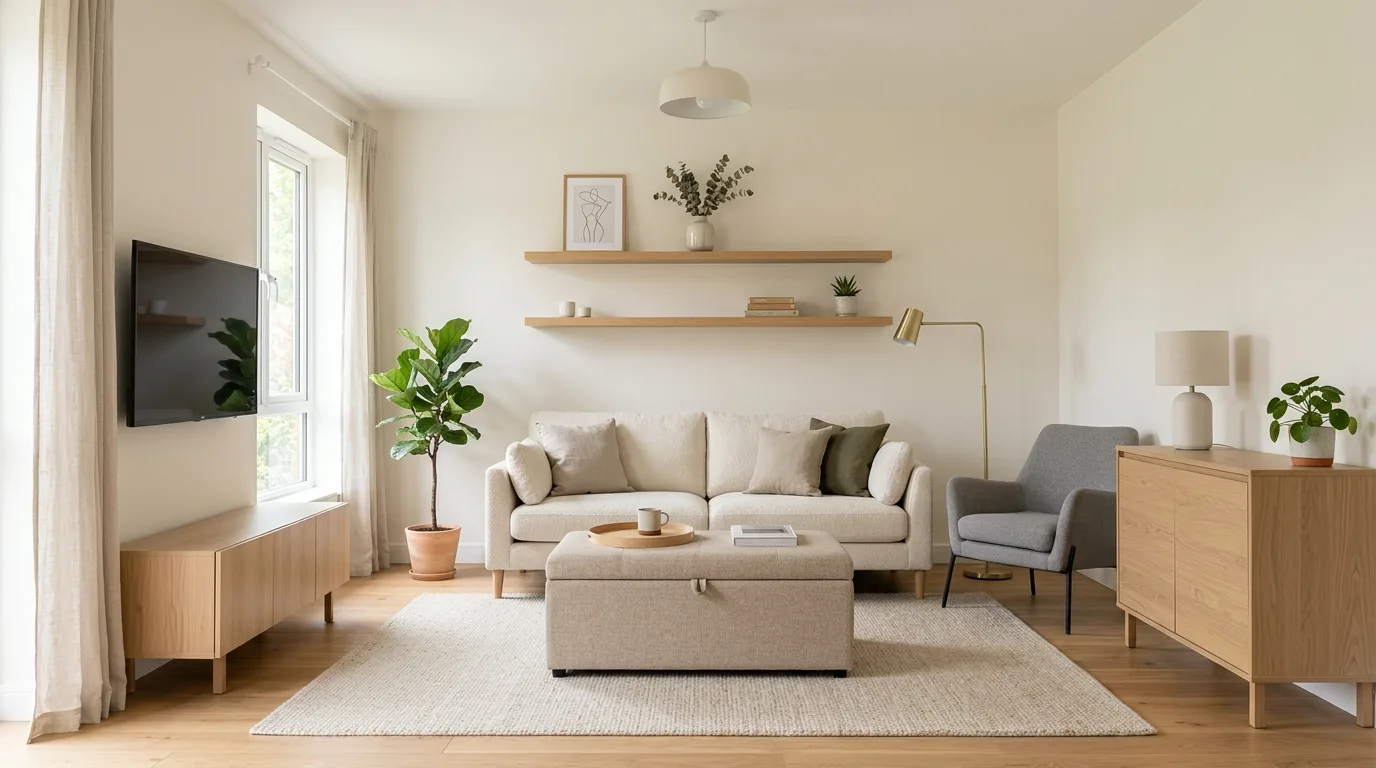
Create storage that supports quick resets
Storage works best when it supports a quick reset rather than demanding a major clean-up every time the room gets busy. That means giving common categories clear homes, leaving enough room for them to return easily, and avoiding systems that only work when everything is perfect.
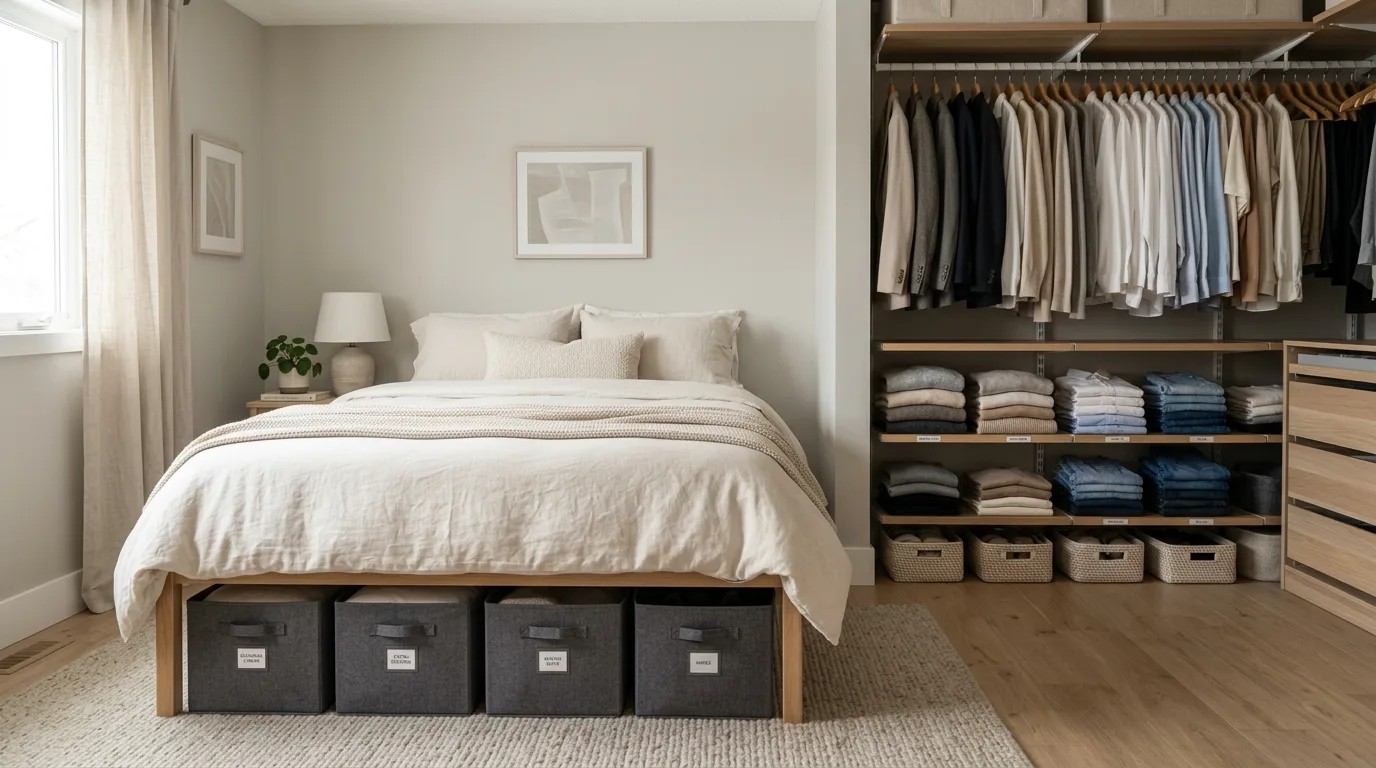
Use baskets where mobility matters most
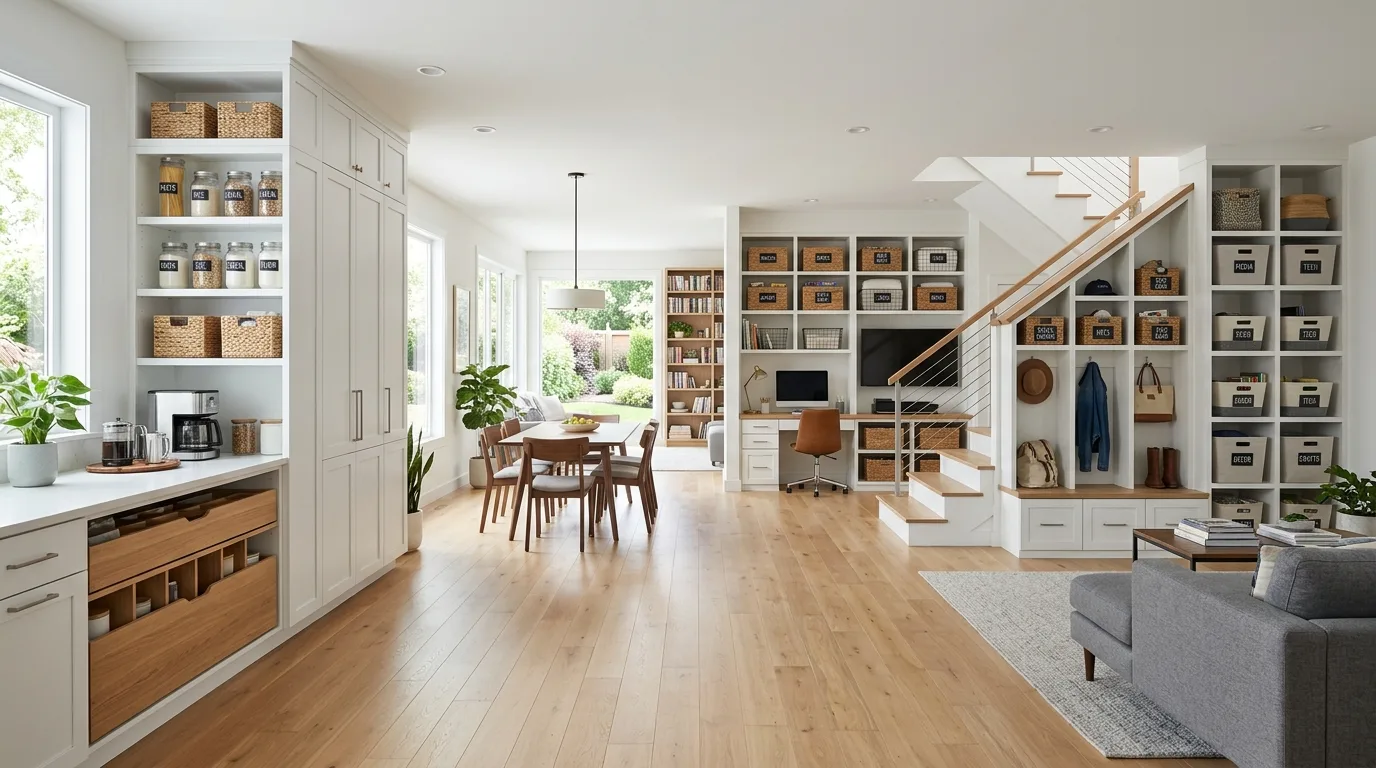
Baskets are especially helpful in rooms where categories move around or need to travel, such as toys, throws, paper, or seasonal accessories. They add flexibility without sacrificing order, and they make it much easier to gather items quickly when it is time to reset the room.
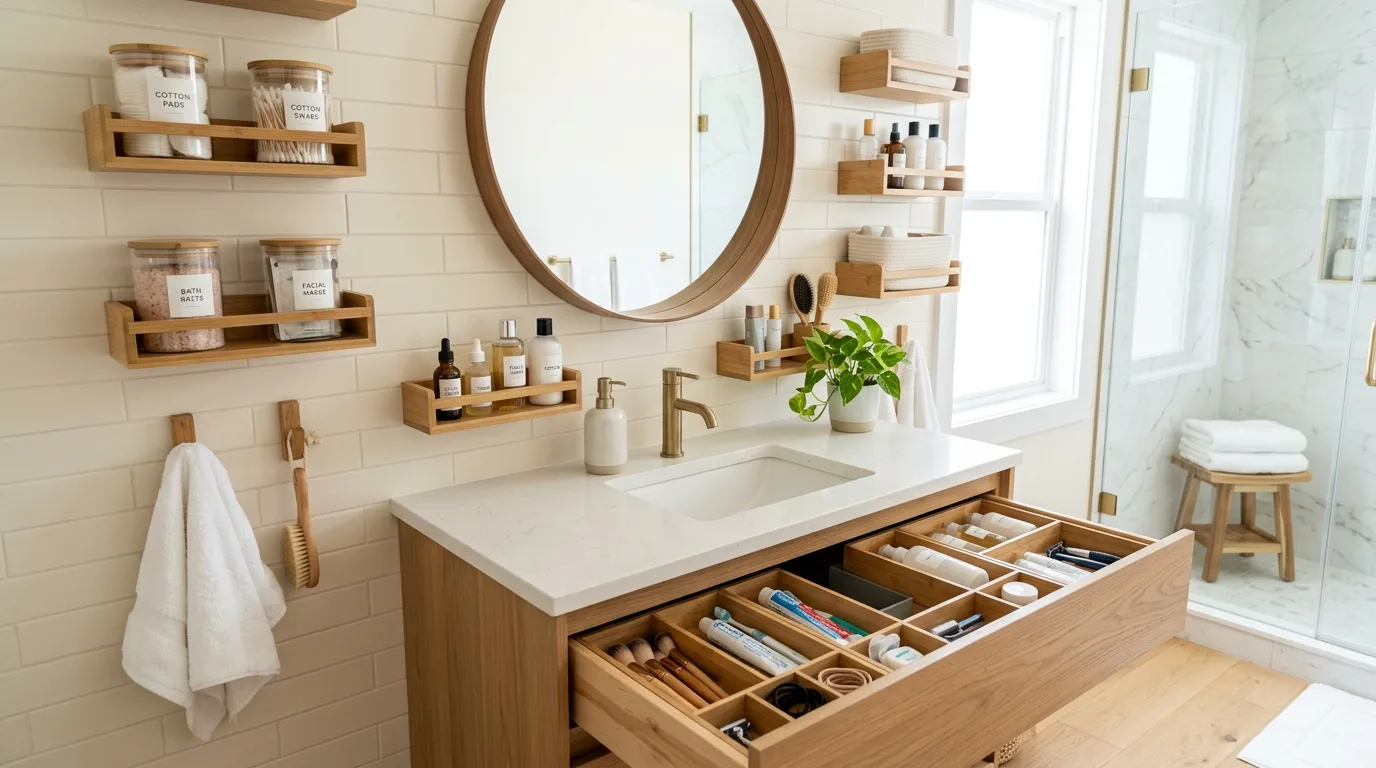
Make labels work for the whole household
Labels are most effective when they support shared habits instead of existing only for appearance. A clearly labeled system reduces hesitation, makes returning items more intuitive, and helps the whole household follow the same structure instead of inventing new ones every week.
Reduce visual clutter on open surfaces
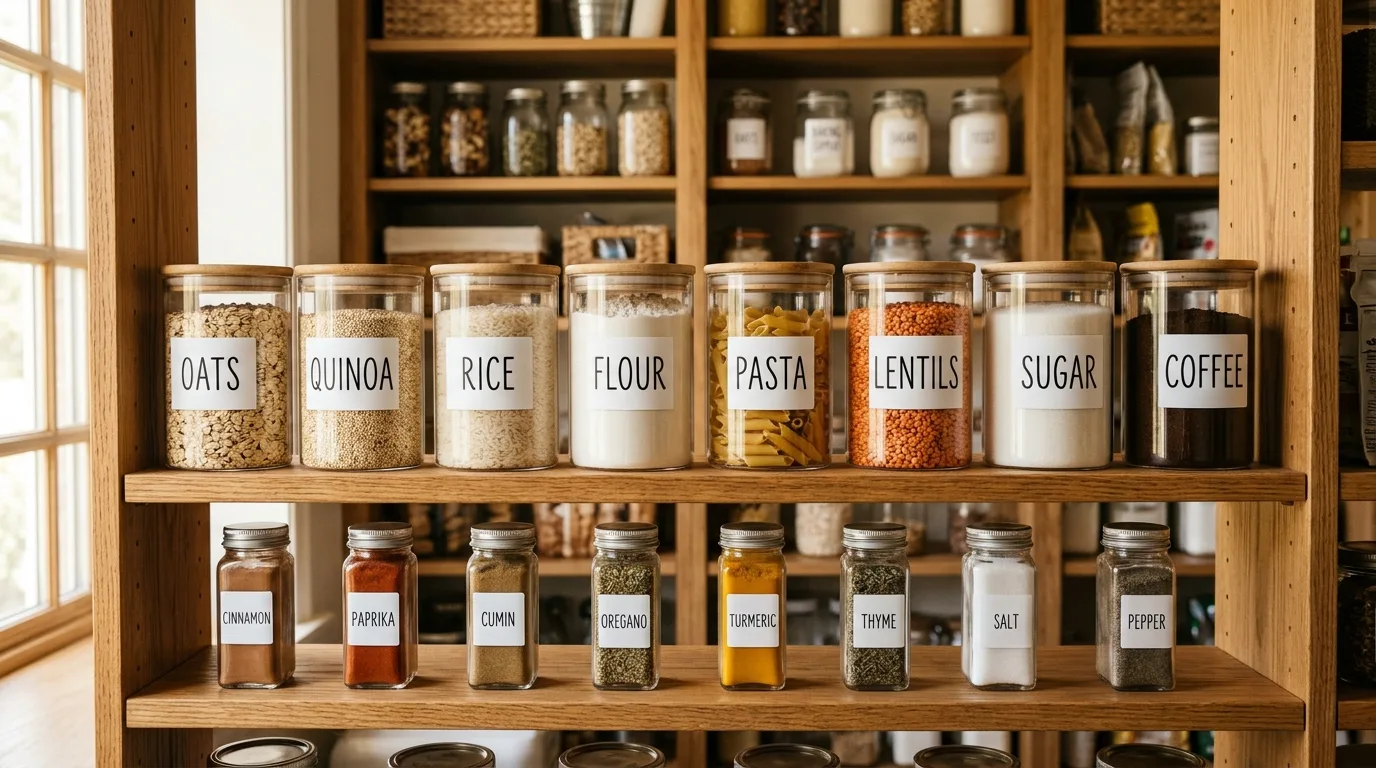
Open surfaces collect visual clutter faster than almost anything else, which is why they need more discipline than hidden storage does. Keeping counters, tables, and entry surfaces edited gives the whole home a calmer look and makes the remaining organization feel more believable.
Store by room and by frequency of use
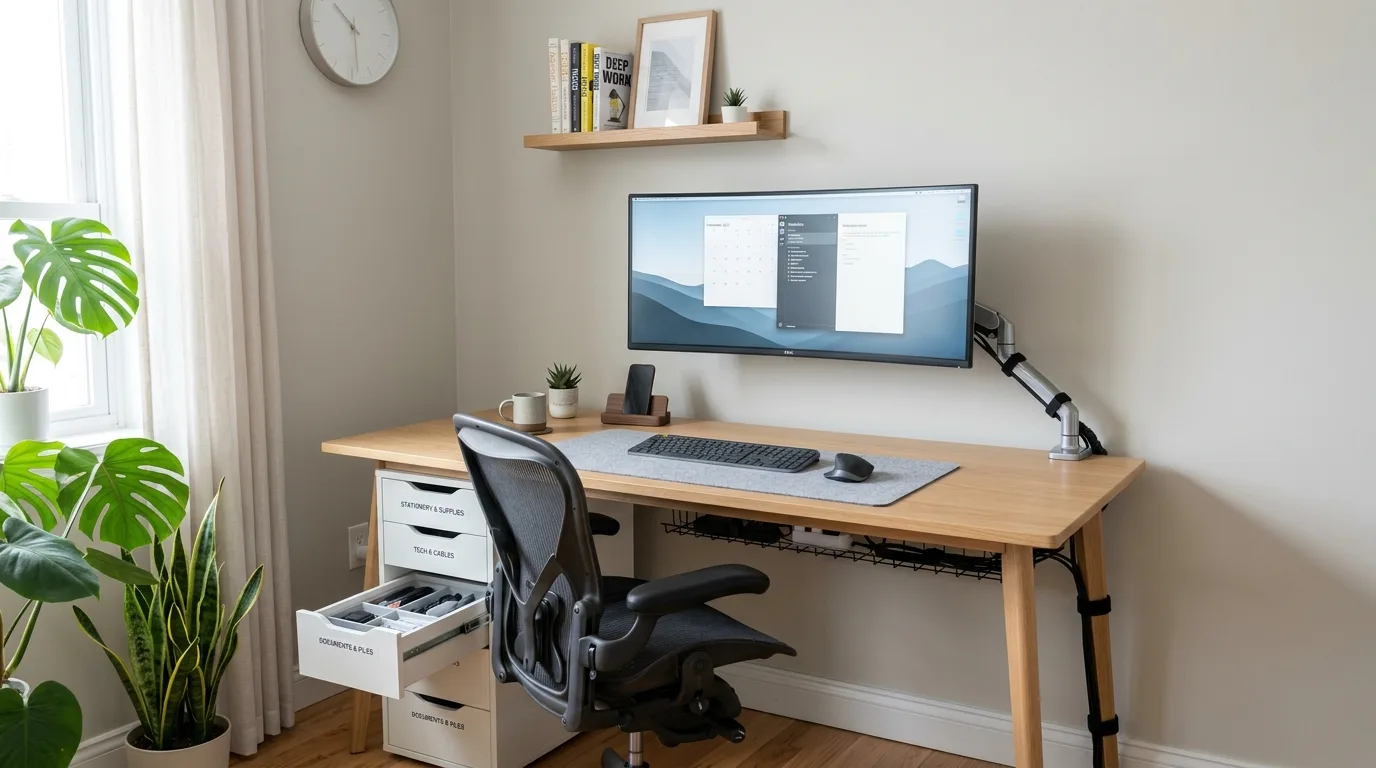
Storing by room and by frequency of use creates a system that feels natural to follow. Things that belong together and get used often should live close to where they are needed, while less common items can shift higher, deeper, or farther away without causing daily friction.
Use vertical space to avoid spillover
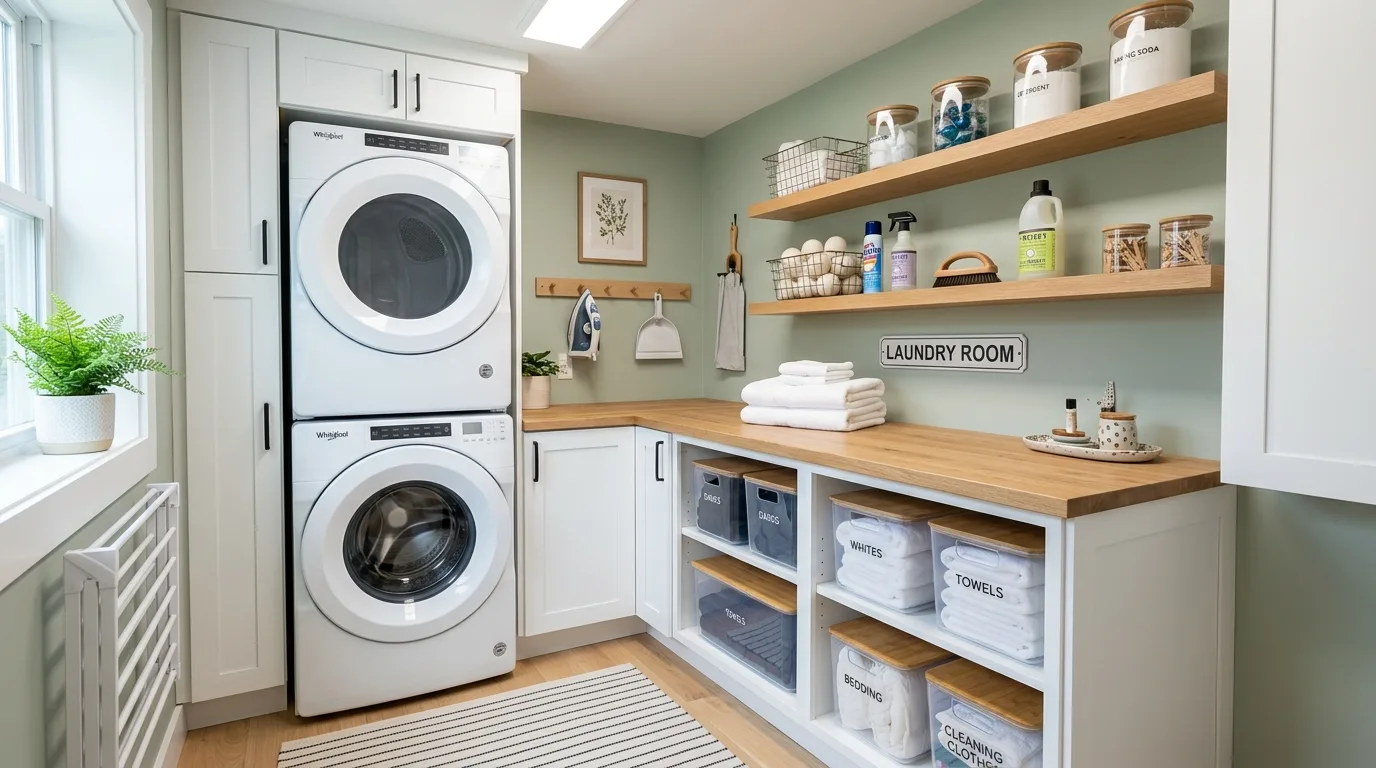
Vertical space is often the simplest answer when a home feels short on storage. Shelving, wall rails, over-door systems, and tall cabinets all help reclaim volume that would otherwise sit unused while the lower surfaces become crowded.
Keep duplicates under better control
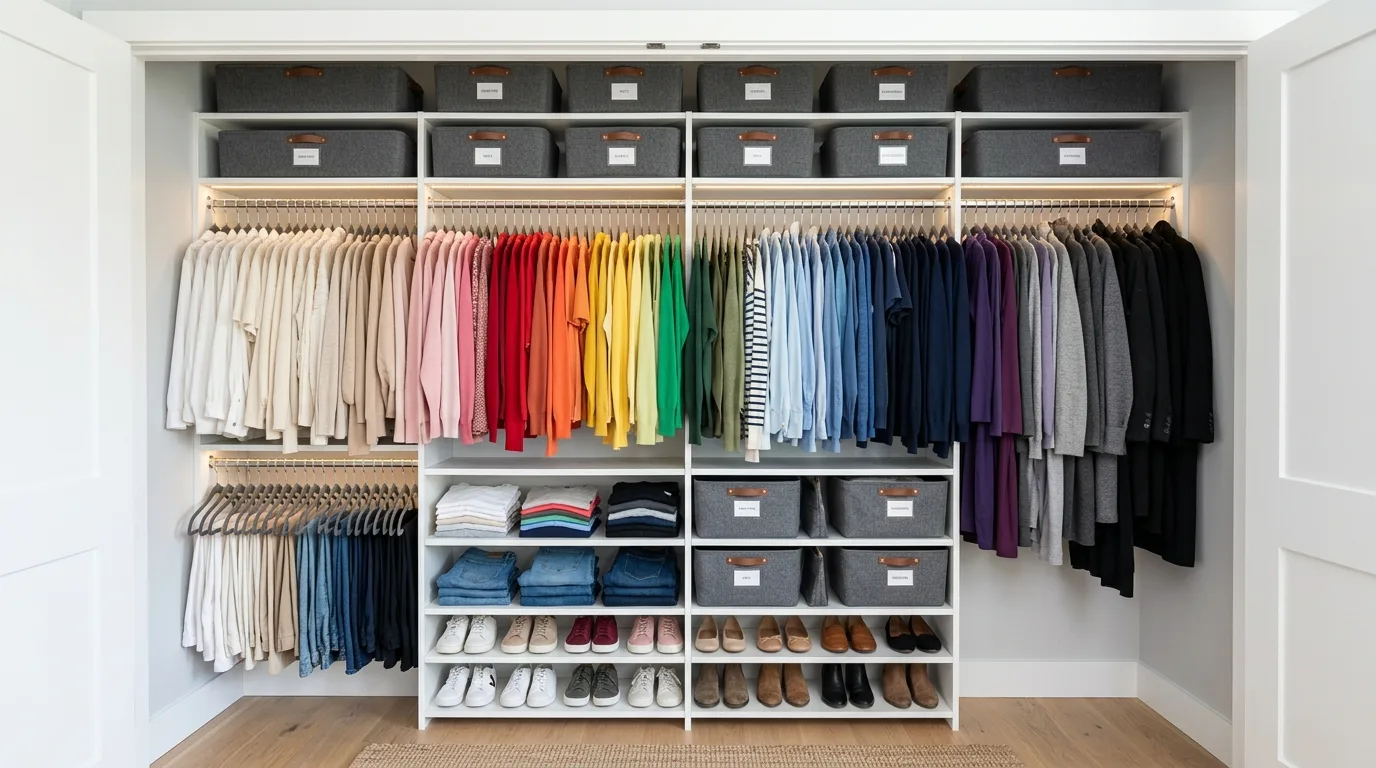
Duplicates create quiet clutter because they fill cabinets and drawers without adding real convenience once a category grows too far. Keeping them under better control makes the home feel lighter, and it also makes everyday items easier to find and actually use.
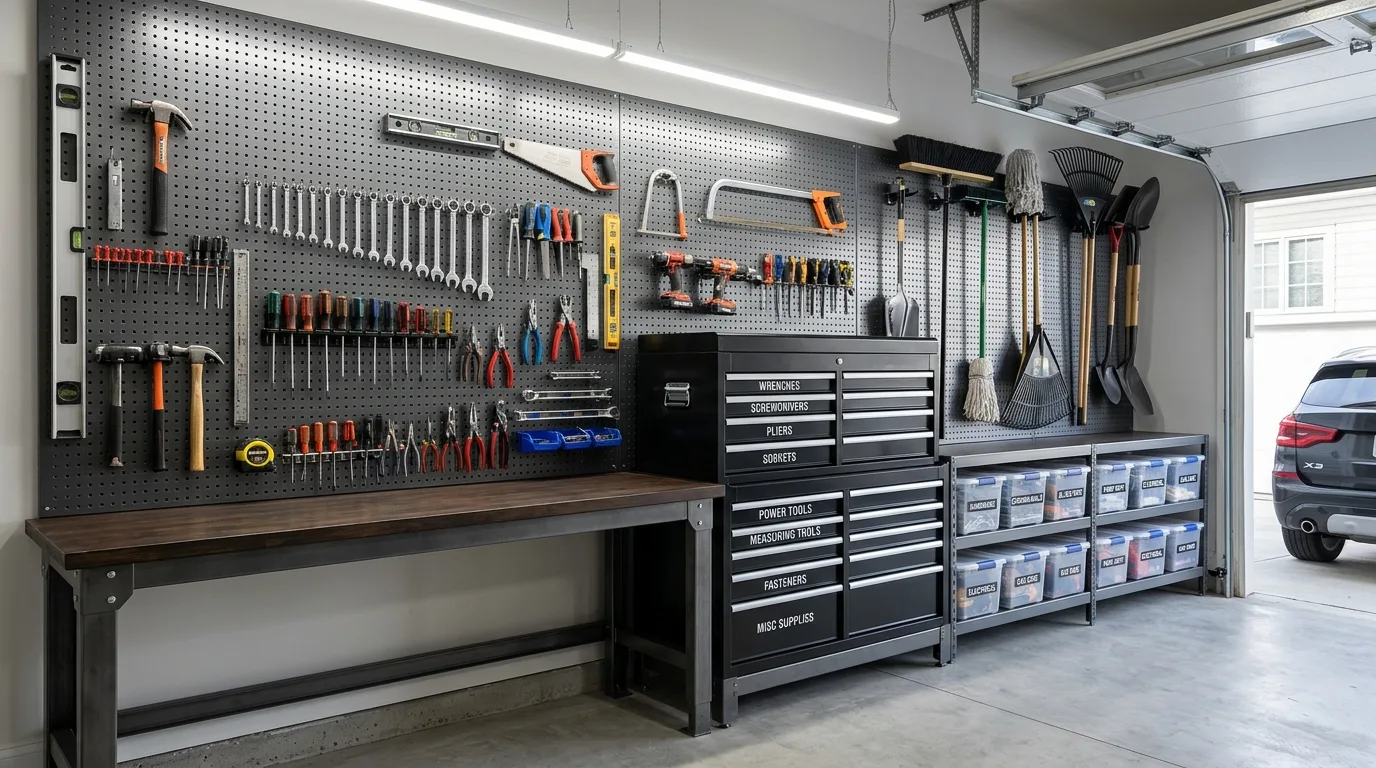
Make cabinets easier to maintain from inside
Cabinets stay organized longer when the inside is structured as thoughtfully as the outside looks. Bins, risers, separators, and simple groupings help the contents stay understandable, which means the cabinet does not collapse back into an unsearchable pile after one busy week.
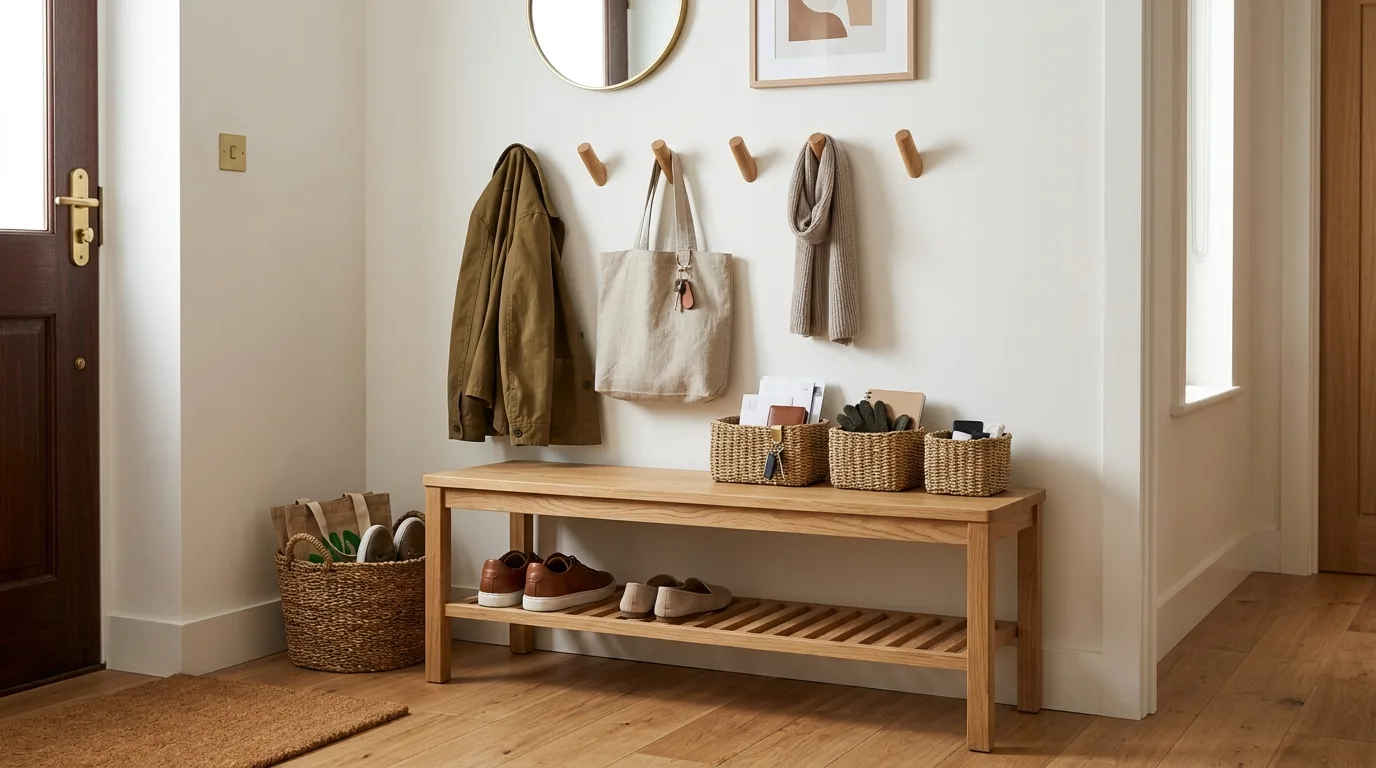
Use hidden storage for mess-prone zones
Hidden storage is especially useful in the areas of the house that collect fast visual mess, like family rooms, entryways, and work zones. It gives necessary items a place to disappear without removing access, which is often what keeps a lived-in home from feeling chaotic.
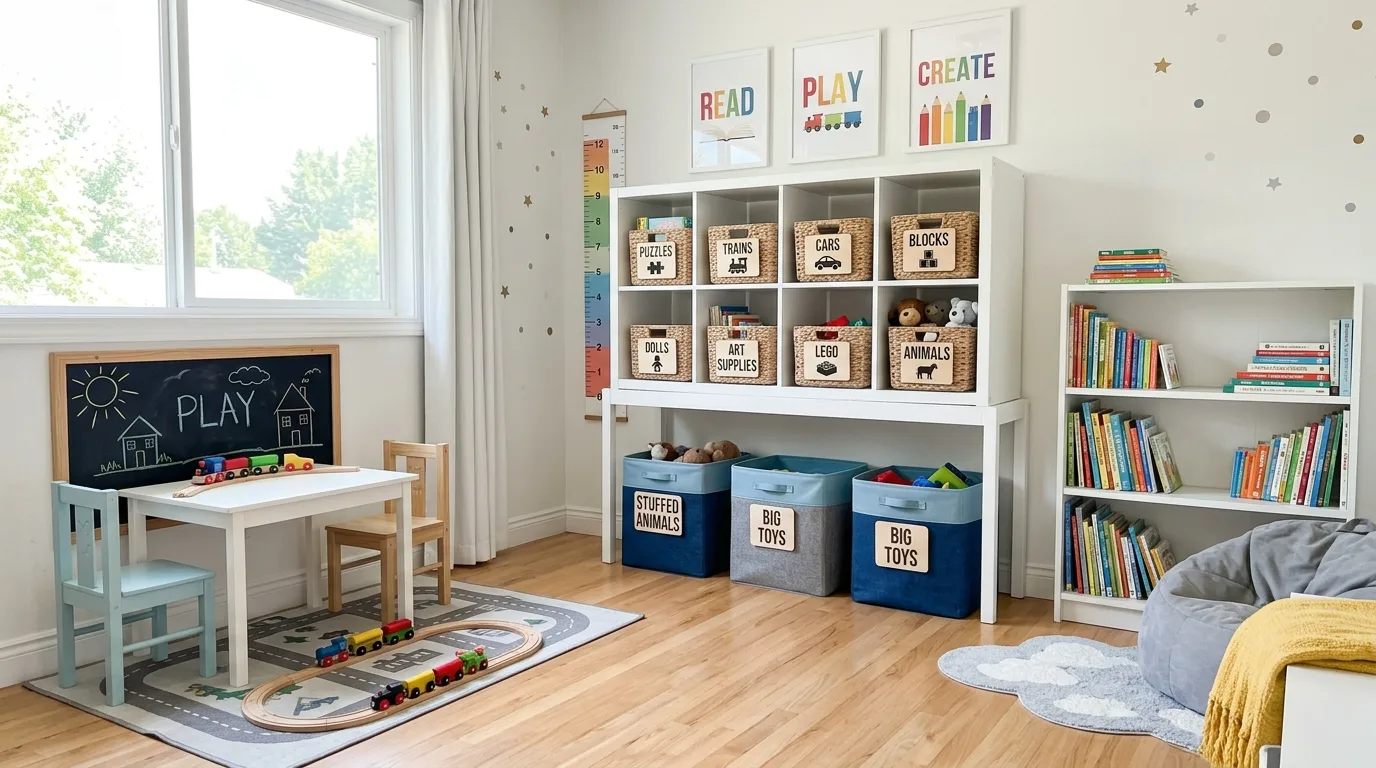
Set up a simple system for paper and mail
Paper and mail need a system that is specific enough to prevent backlog but simple enough to maintain. A small set of categories for action items, short-term holding, and discard material usually does much more than complicated filing systems that no one wants to keep using.
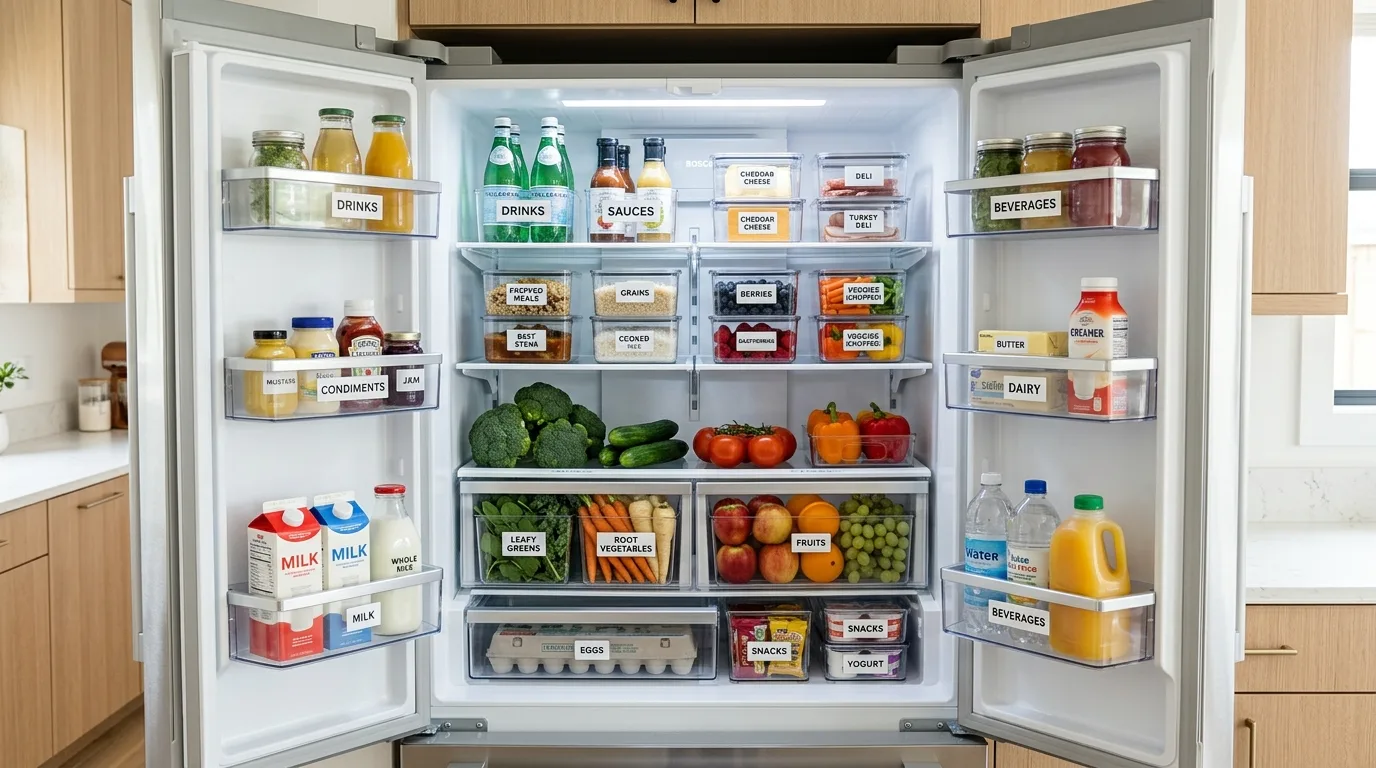
Treat utility spaces as part of the home system
Utility spaces should be treated as part of the organization system of the house, not as isolated afterthoughts. Once closets, mudrooms, laundry rooms, and pantry edges are working properly, the more visible rooms almost always become easier to maintain as a result.
Finish with habits that keep the order going
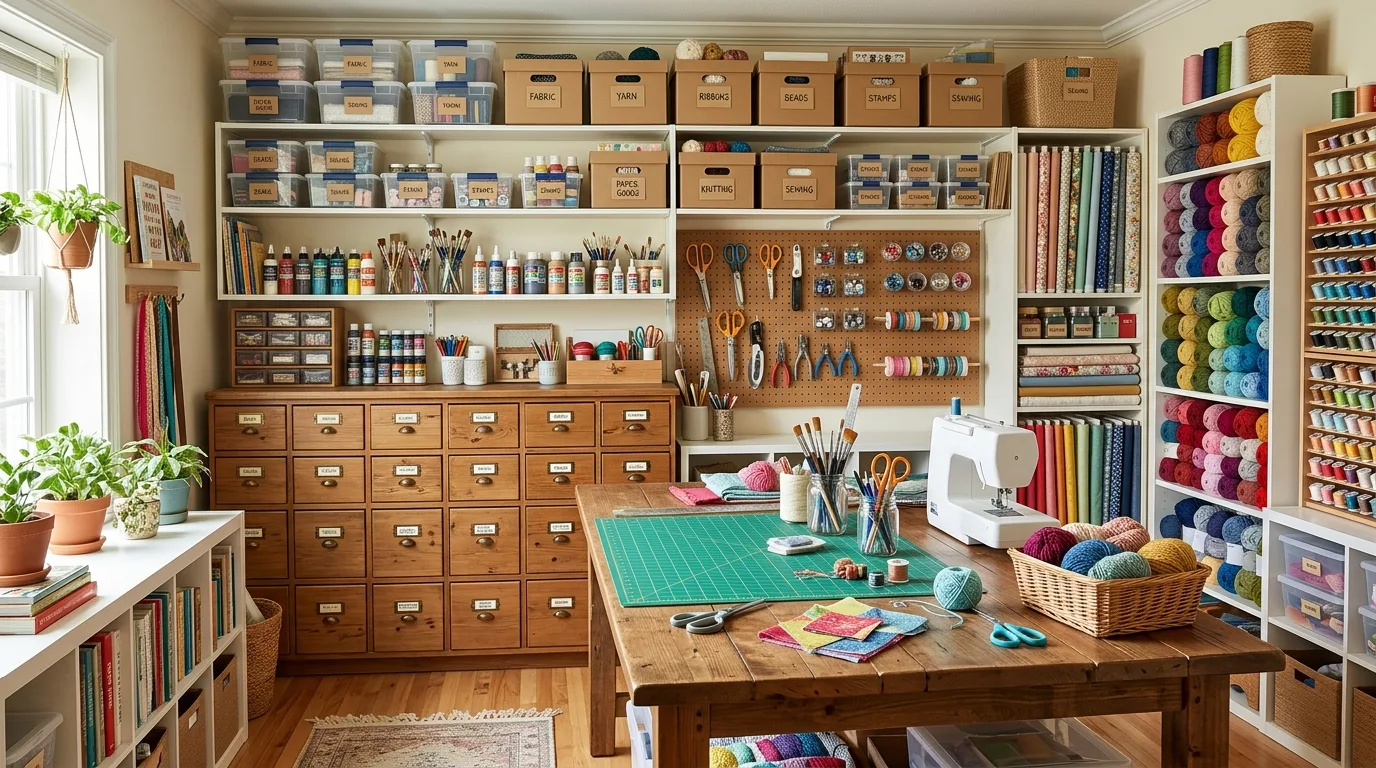
Organization lasts when habits and storage are working together rather than depending on motivation alone. Once the home is set up to make resets faster and retrieval easier, the whole space starts feeling lighter and much more manageable on an ordinary day.