Fireplace built-ins can make a living room feel more architectural, more functional, and more visually complete all at once. When designed well, they frame the fireplace naturally and help the entire wall feel as though it was planned with the house from the start.
The best built-ins balance storage and display without looking heavy. Their scale, materials, and styling all need to support the fireplace rather than compete with it, which is what gives the room that custom and settled look.
Use symmetry to frame the fireplace
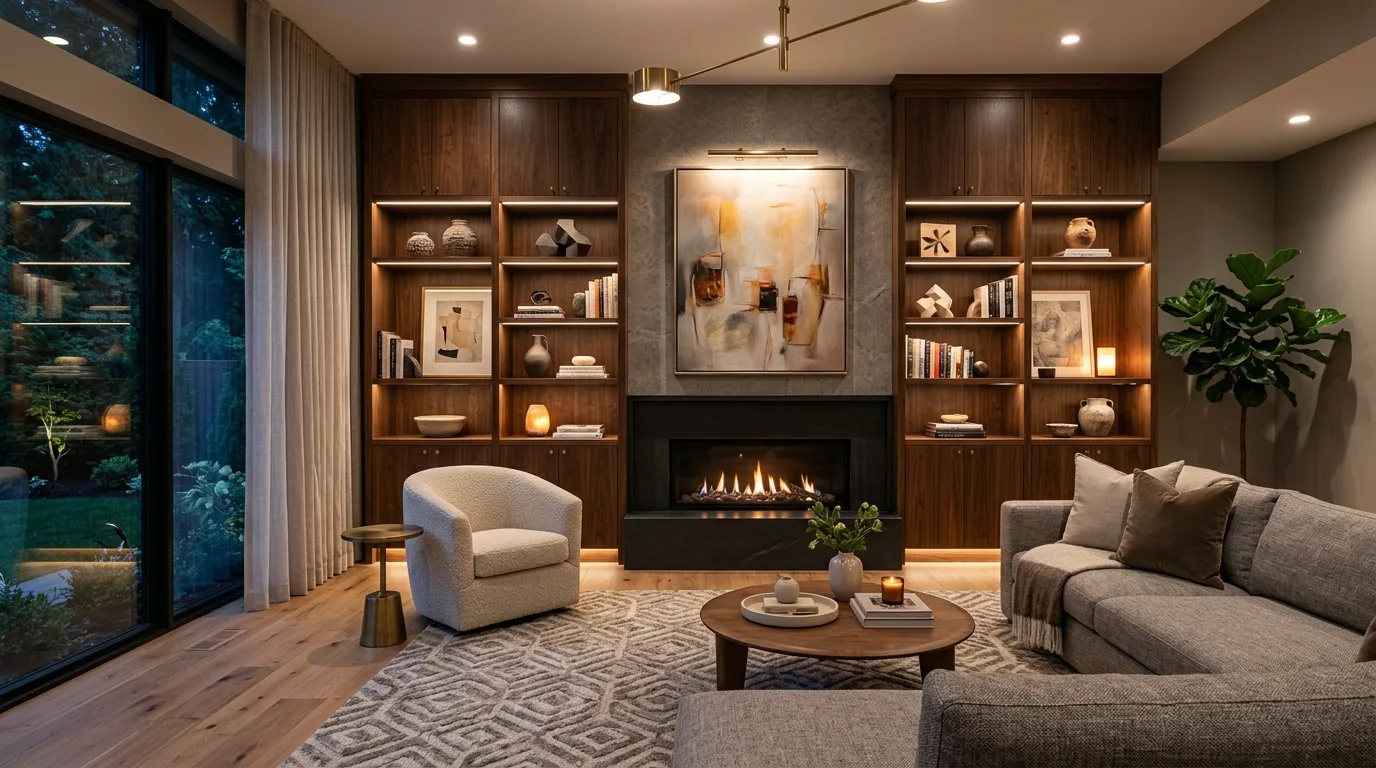
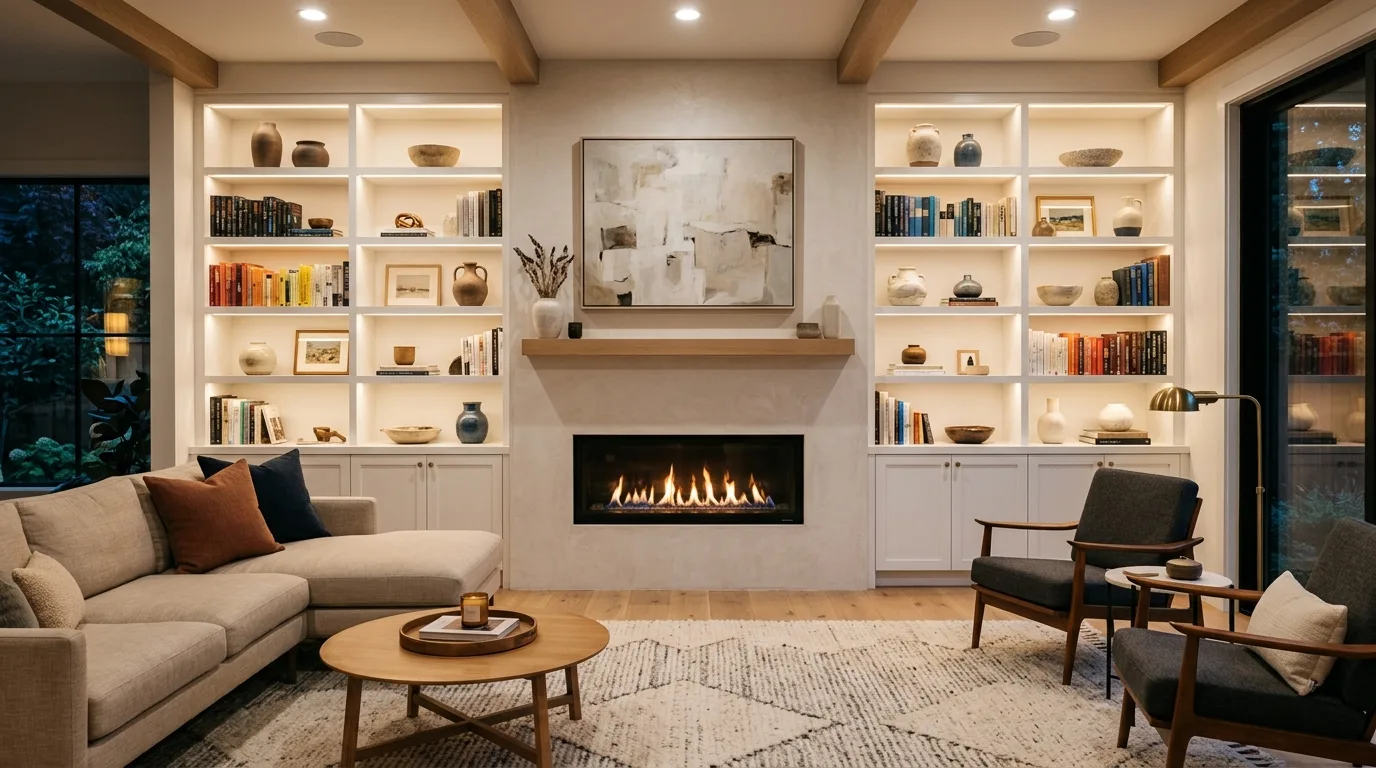
Symmetry around a fireplace creates instant order and often makes built-ins feel more custom, even in fairly straightforward layouts. Matching shelves, cabinets, and proportions help the whole wall read as one composed feature instead of a fireplace with two unrelated storage pieces beside it.
Add lower cabinets for hidden storage
Closed cabinets at the lower portion of the built-ins are what often make the whole design more livable. They give the room a place to hide practical clutter, which means the upper shelves can stay lighter and more intentional without carrying every storage demand in sight.
Keep open shelving lighter and more intentional
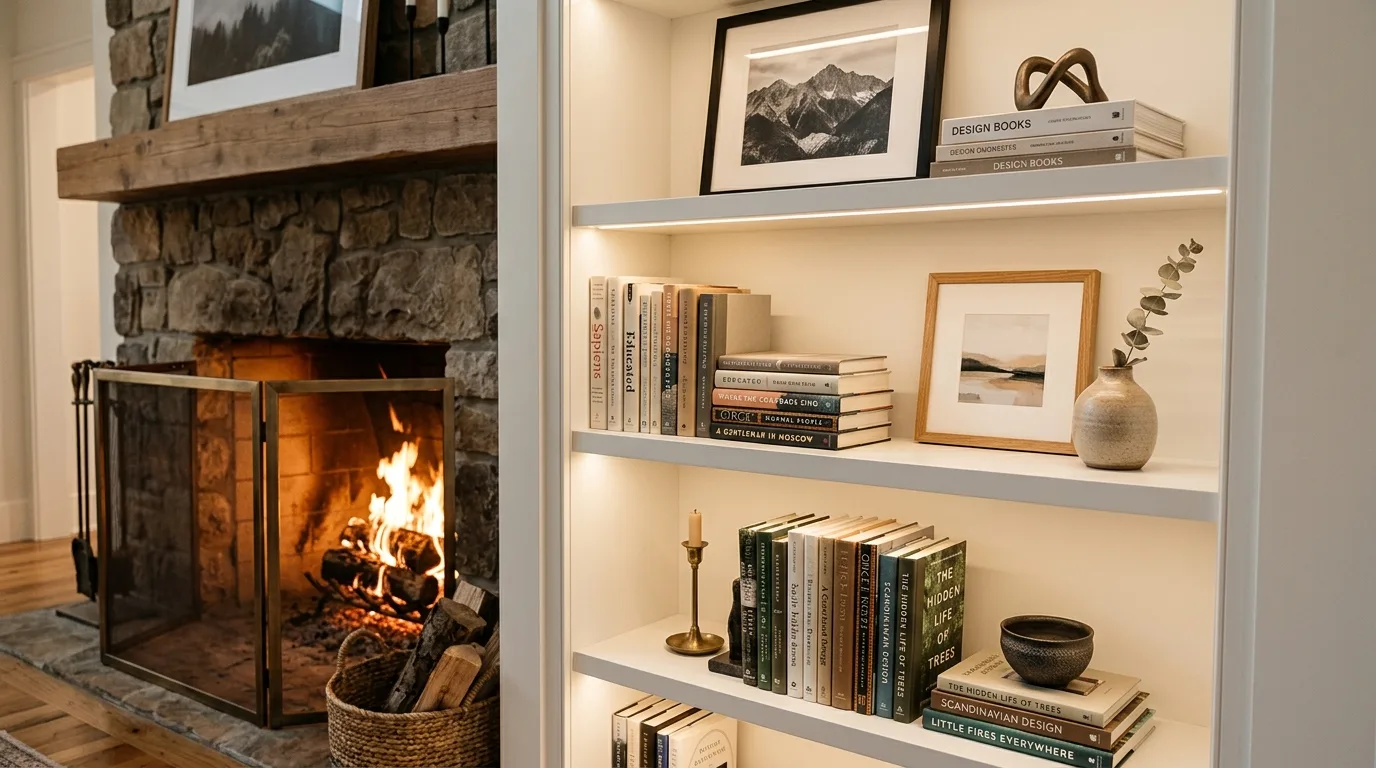
Open shelving works best when it has enough breathing room to support both function and styling. When each shelf is not overloaded, the built-ins feel more architectural and the fireplace remains the emotional center of the wall instead of getting visually lost in too many objects.
Use paint to unify the whole built-in wall
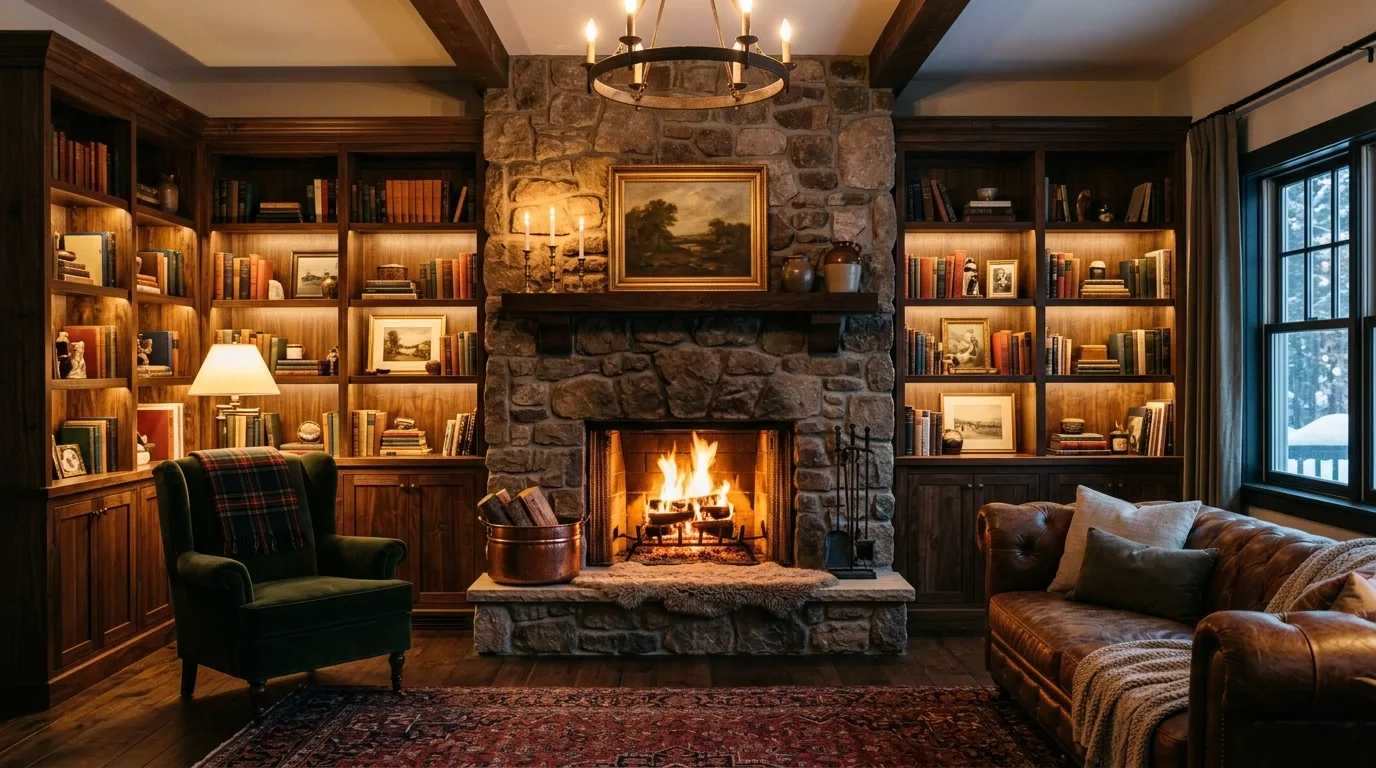
A painted built-in wall can make the fireplace feel more integrated because it unifies shelving, trim, and surround into one stronger composition. This is especially effective when the tone supports the overall room palette and helps the whole feature read as deliberate rather than patched together.
Bring in wood for warmth and depth
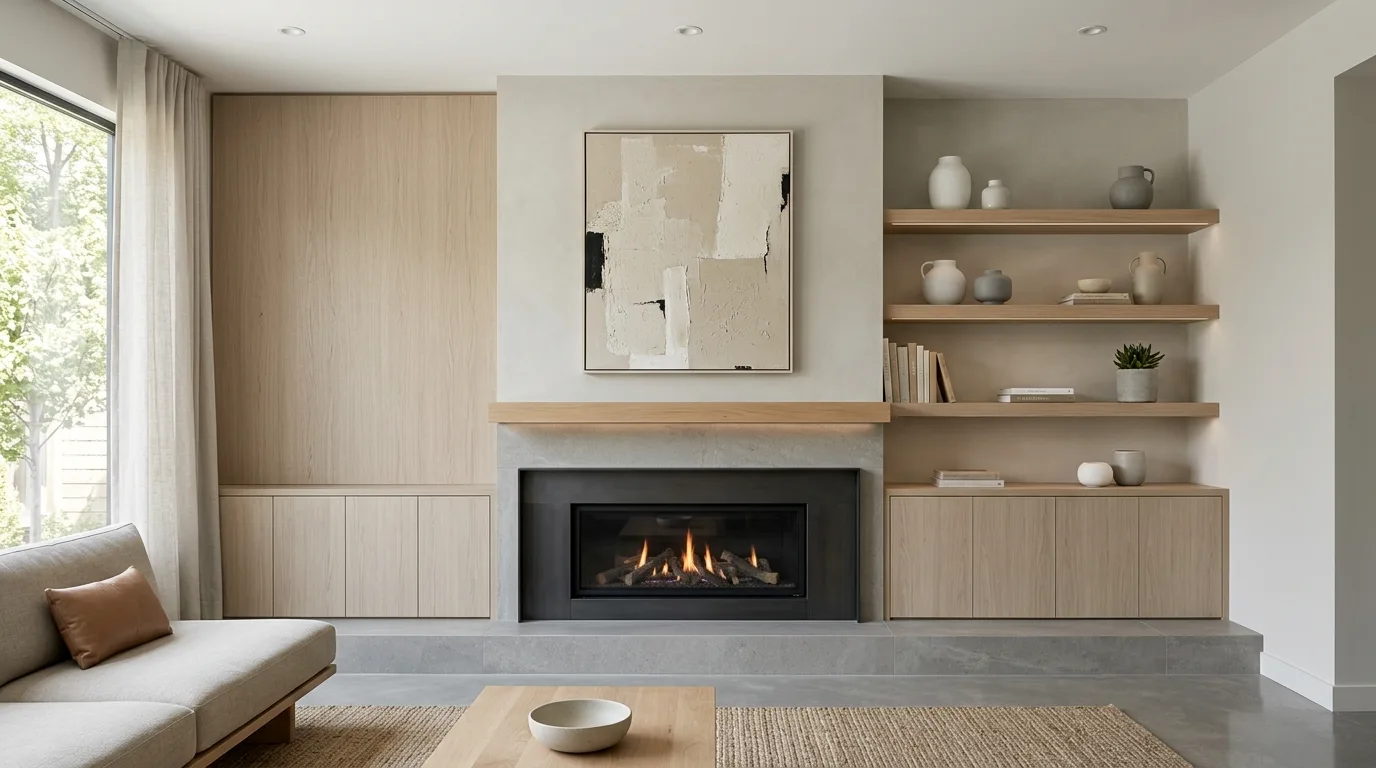
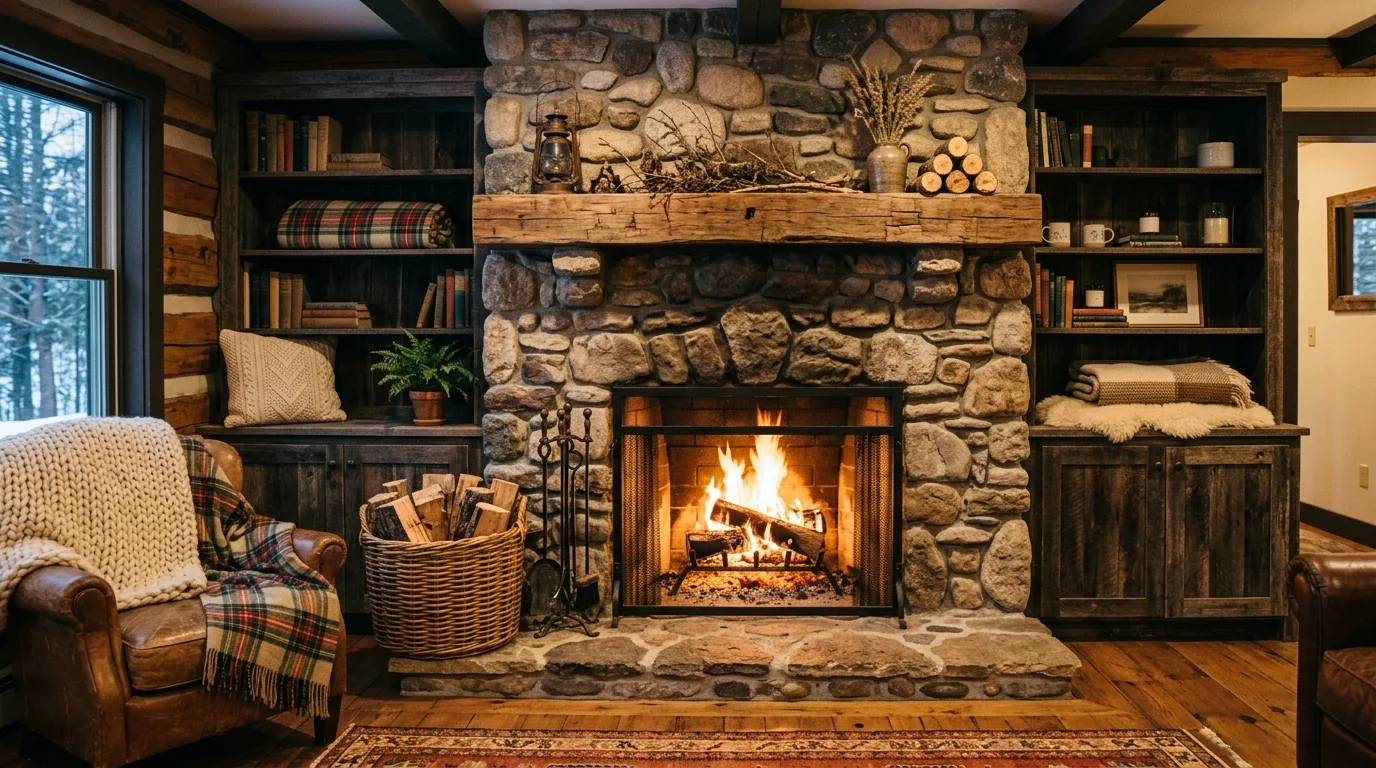
Wood built-ins bring warmth to a fireplace wall and can soften the more formal look that painted millwork sometimes creates. Grain and tone add depth, which often makes the room feel richer while still letting the fireplace remain the main anchor.
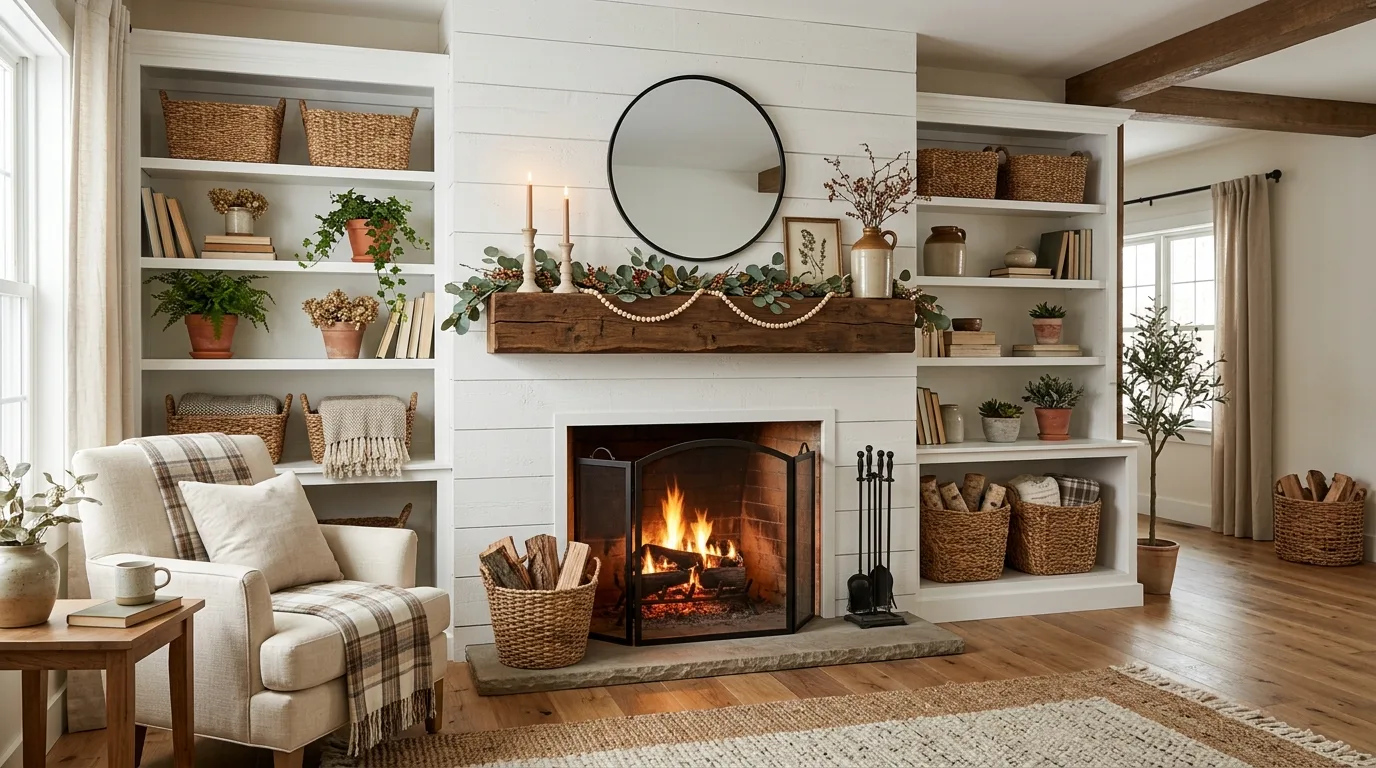
Add lighting to make the shelves glow
Lighting inside built-ins can change how the whole wall feels in the evening. A subtle glow on shelves or objects gives the room more depth after dark and helps the built-ins contribute to atmosphere rather than functioning only as daytime storage.
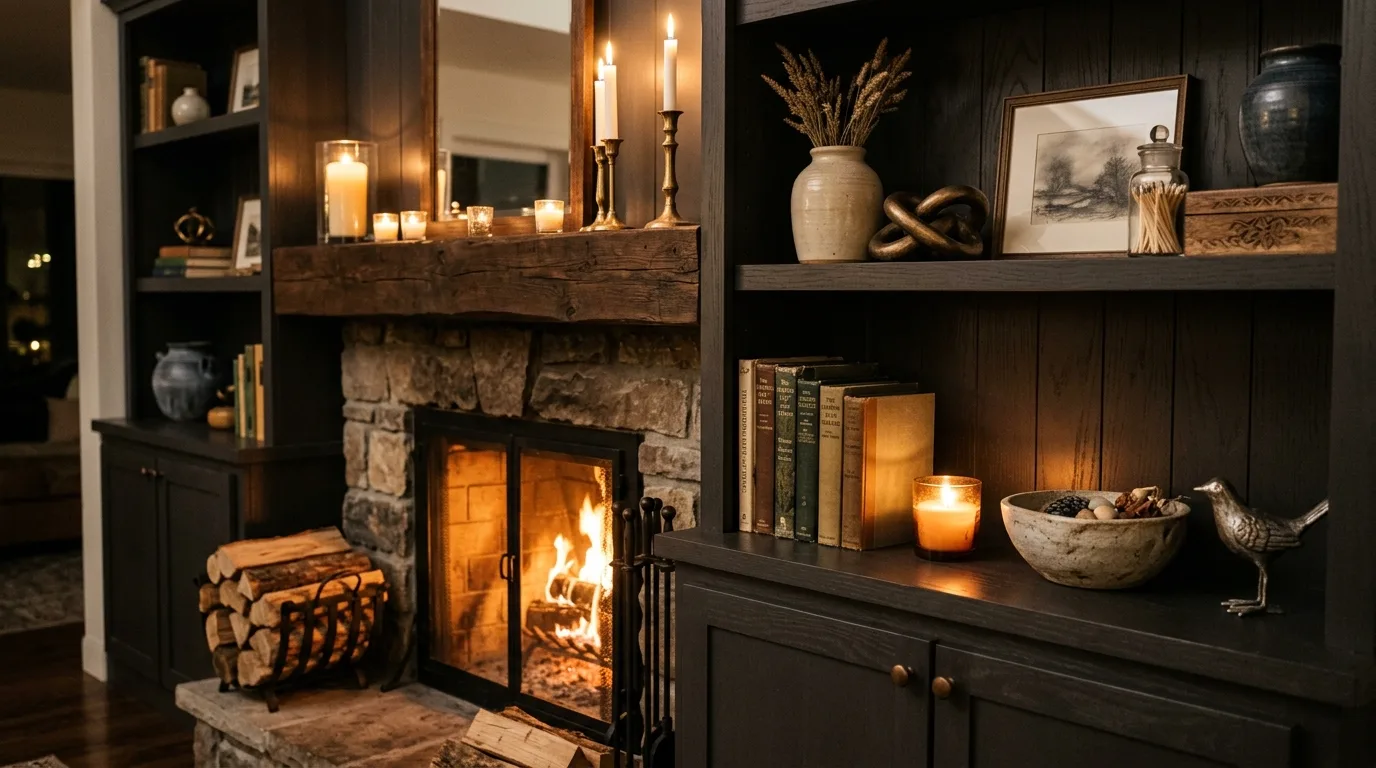
Match the built-ins to the fireplace style
Built-ins feel more convincing when the fireplace surround and the shelf detailing speak the same design language. Whether the room is traditional, modern, or transitional, consistency across those elements is what makes the wall look finished and truly custom.
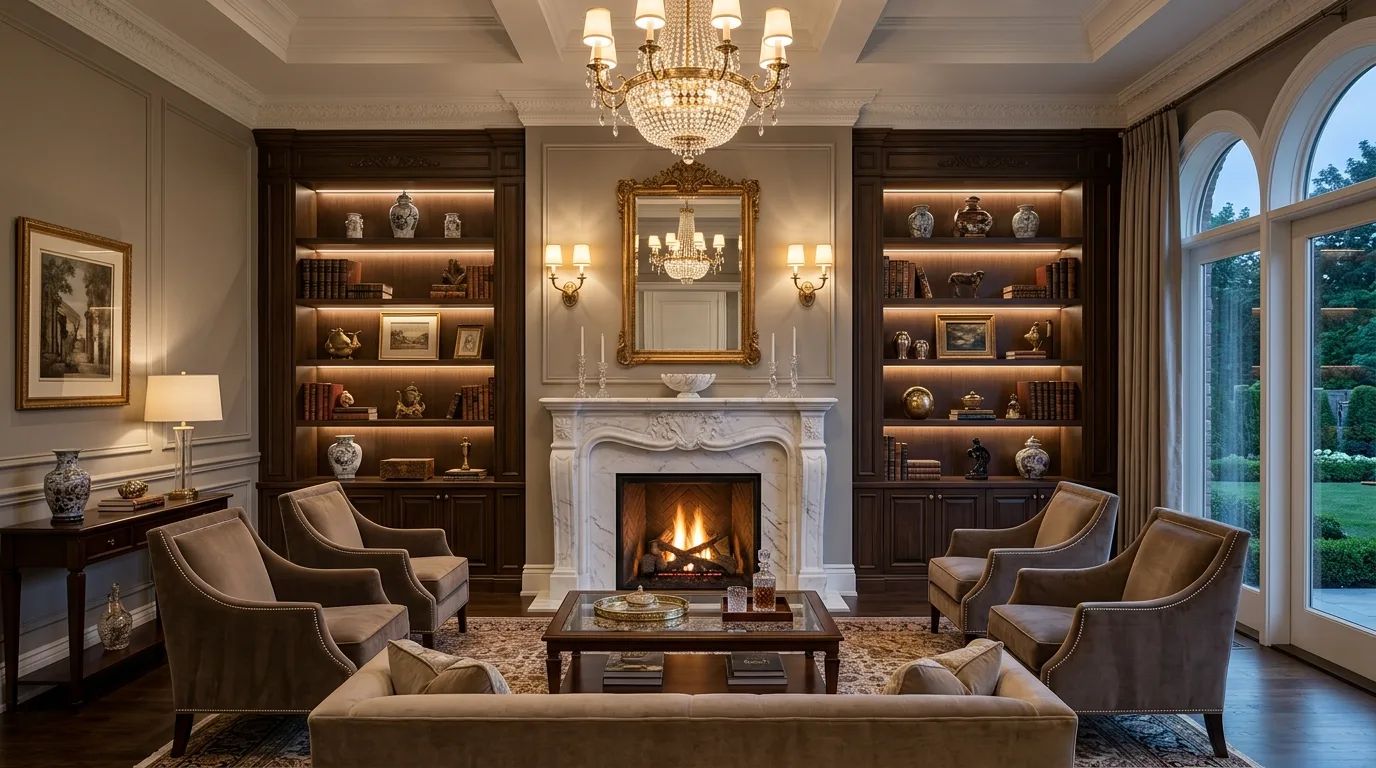
Use built-ins to balance a television placement
A television over the fireplace can work much better when the built-ins help balance its visual weight. Once shelves, cabinetry, and styling frame the screen properly, the whole wall feels less dominated by technology and much more intentionally designed.
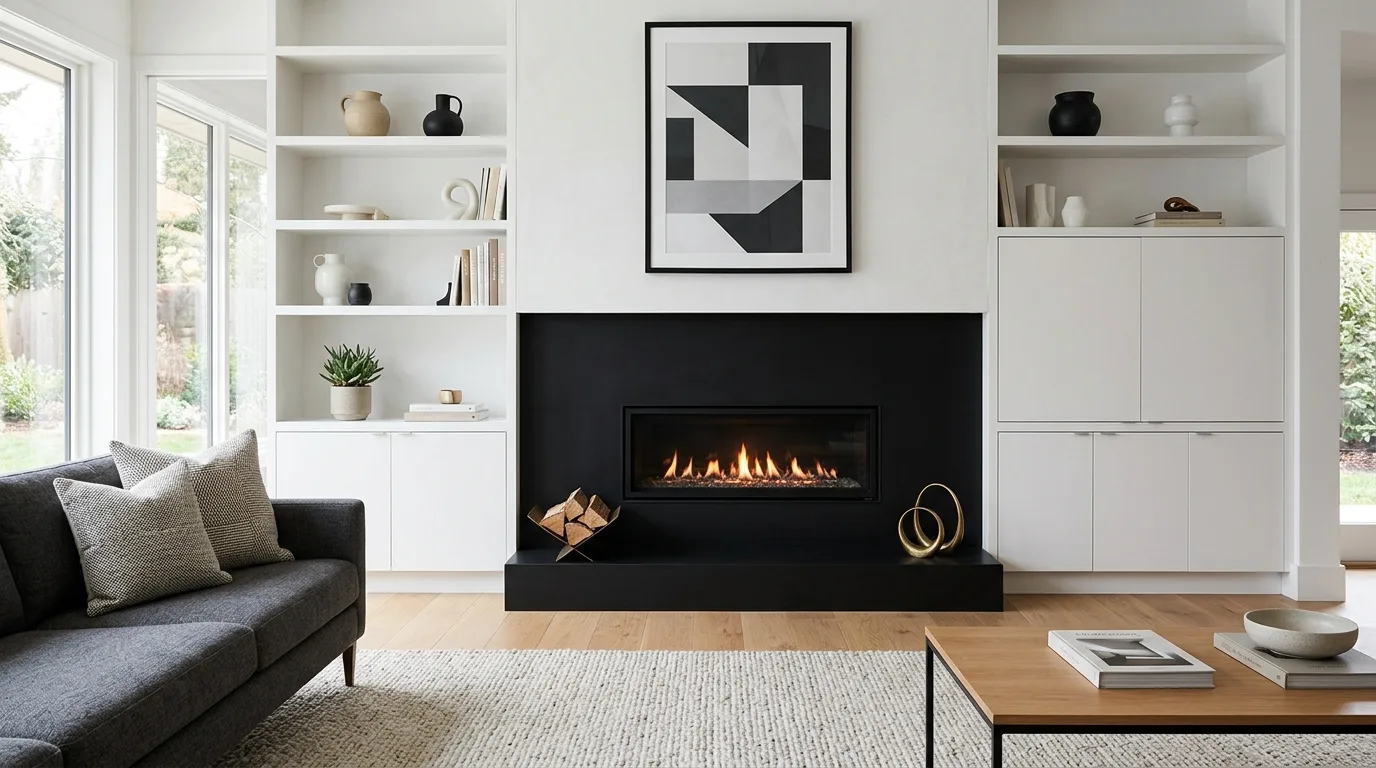
Give the shelving enough depth to matter
Deep shelves or niche-style built-ins can make the fireplace wall feel more substantial when the room needs stronger visual presence. That added depth creates shadow and dimension, which often gives the wall a more architectural character than very shallow shelving can provide.
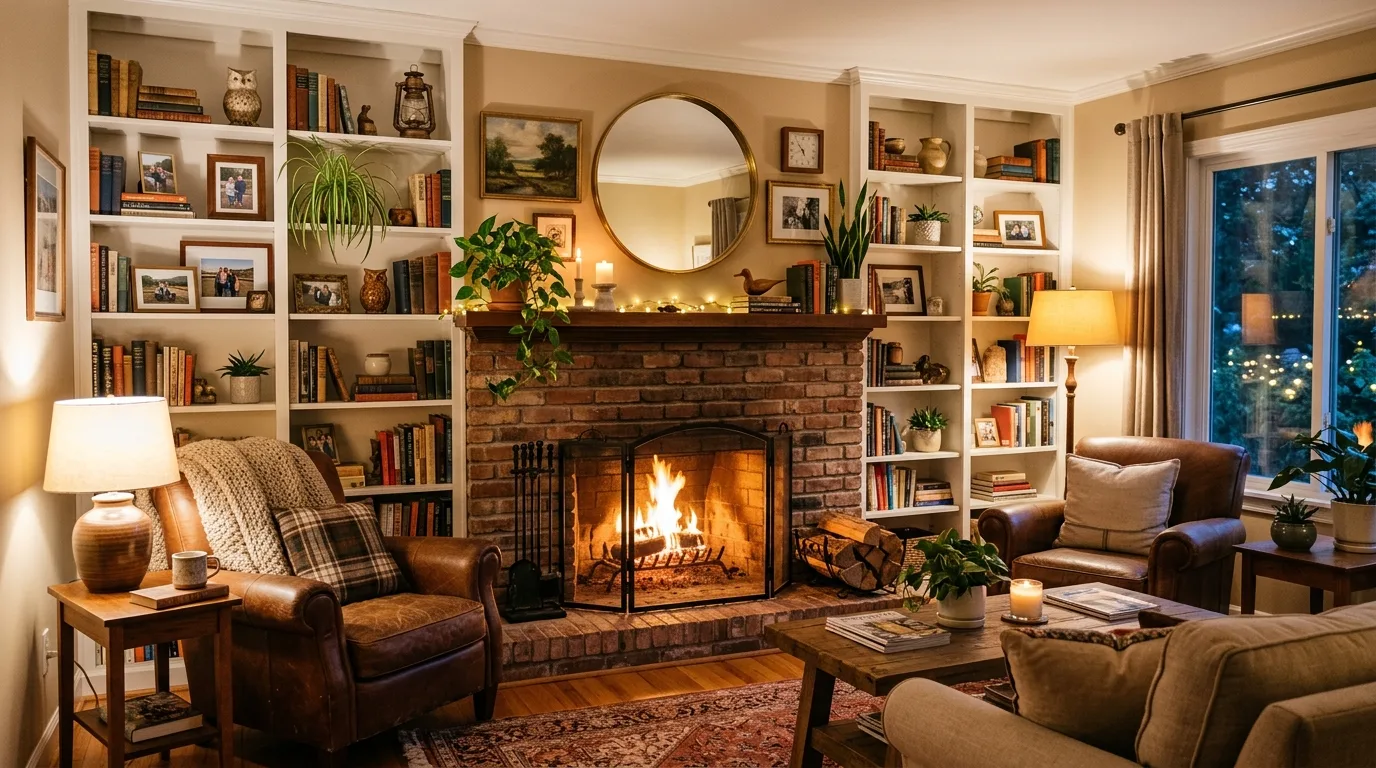
Style the shelves with rhythm and restraint
Styling matters most when it supports the built-ins instead of filling them edge to edge. Books, art, ceramics, and baskets are usually strongest when they create rhythm and contrast while still leaving enough empty space for the millwork itself to remain visible.
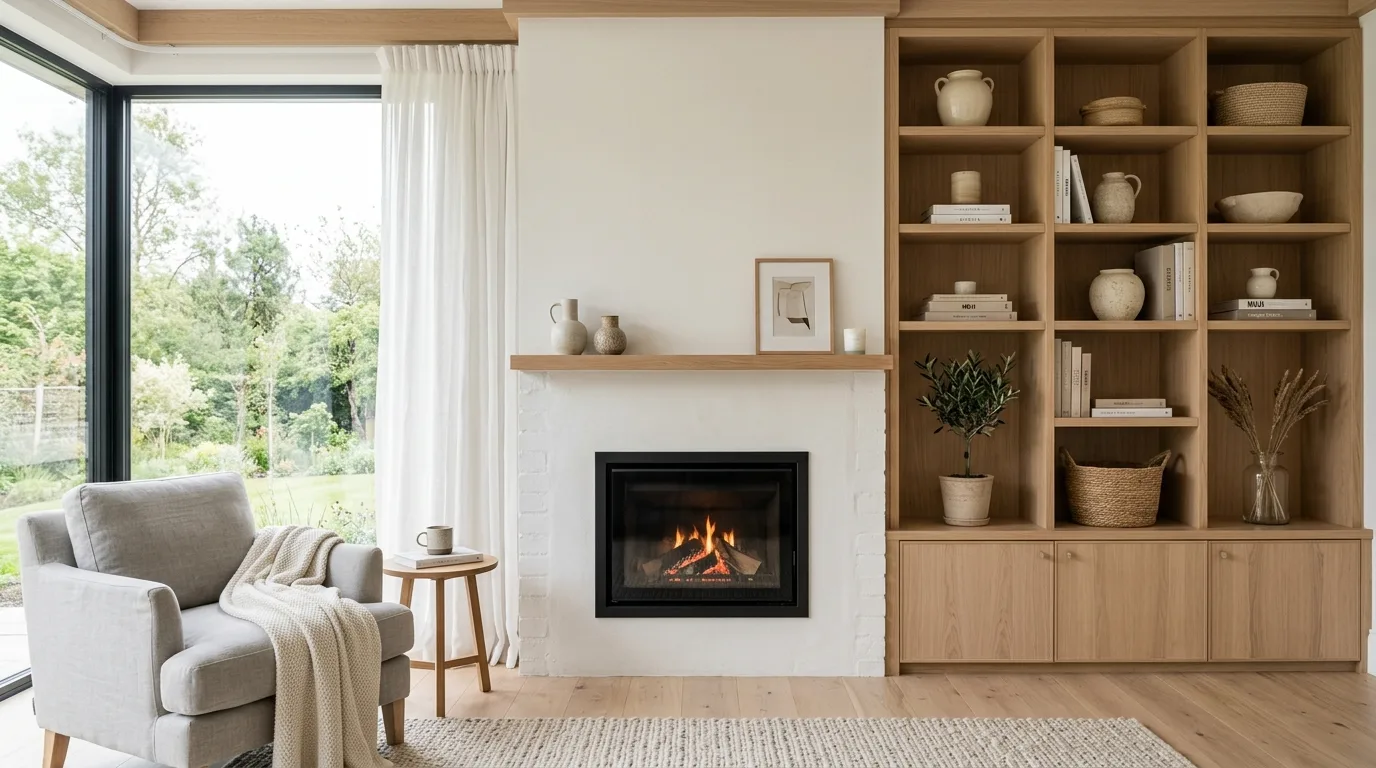
Use color to control how bold the wall feels
Color can shift how built-ins relate to the rest of the room, especially if the goal is to make them recede or become more prominent. A darker built-in wall can create drama and depth, while lighter tones often keep the feature feeling airy and more traditionally integrated.
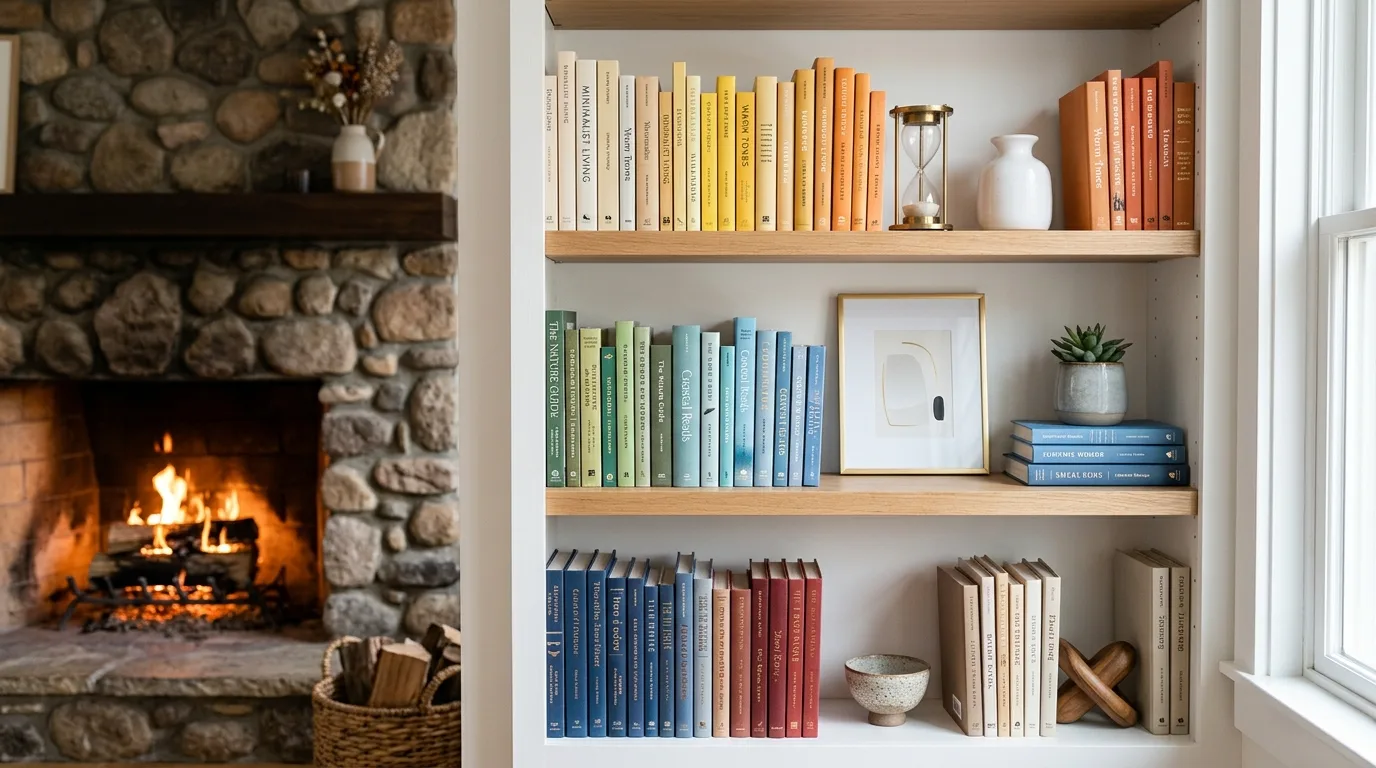
Let built-ins replace extra living room furniture
Built-ins become especially useful in smaller living rooms because they consolidate storage and display into one architectural zone. That can free up other walls and reduce the need for extra freestanding pieces, which helps the room feel cleaner and more intentional overall.
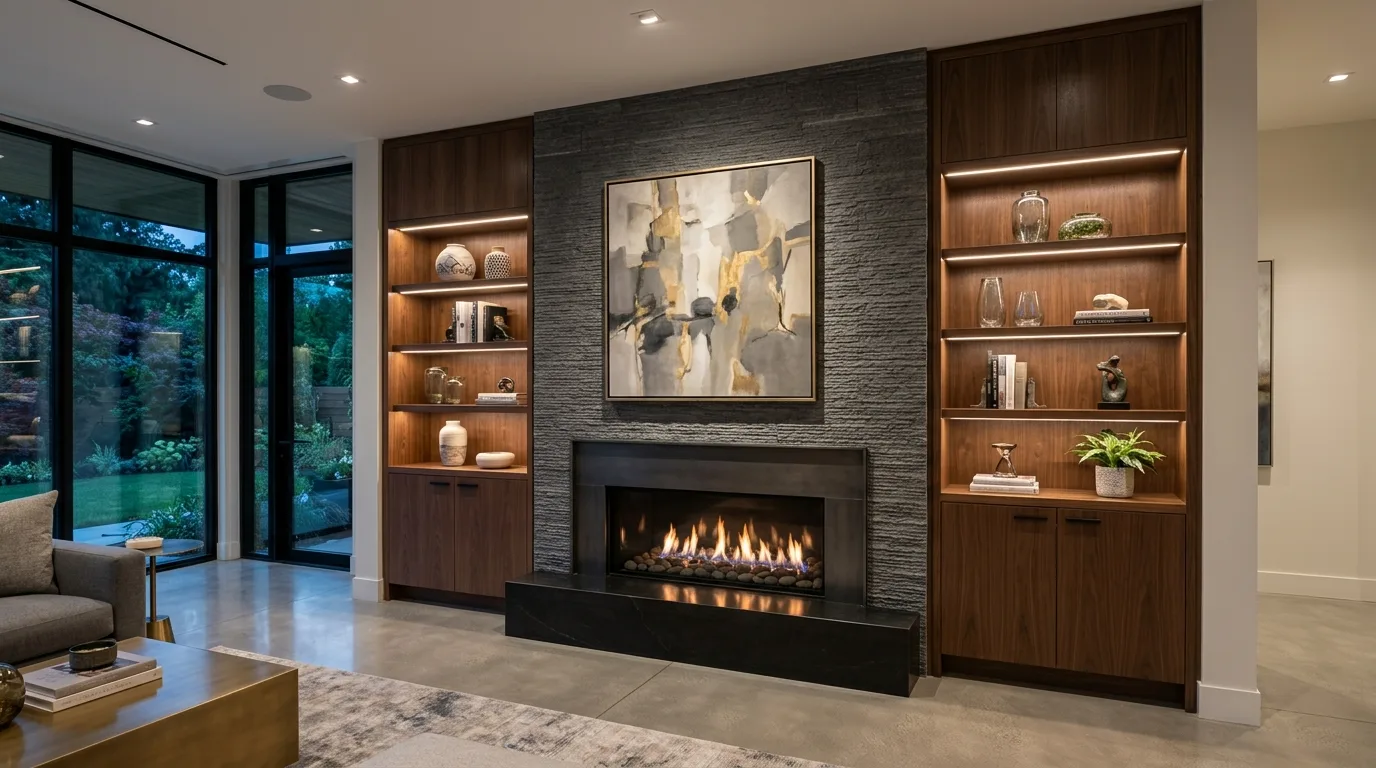
Add architectural detail only where it helps
Decorative details like arched tops, vertical paneling, or refined trim can give a fireplace wall more character when the room needs it. Used in moderation, those touches make the built-ins feel tailored rather than generic and help the whole feature better suit the house.
Finish with a wall that feels truly custom
The most successful fireplace built-ins are the ones that make the room feel easier, not busier. When the wall balances storage, styling, and proportion correctly, the result is a focal point that feels integrated, useful, and much more custom than the room had before.